Personalized Medical Care & Dedicated International Patient Concierge


Medical Skin Care · Needs Clinic Confirmation
AquaPeel & Chemical Peels
AquaPeel and chemical peels in Seoul are two different exfoliating treatments offered at SeoJeong Dermatology in Seocho-gu.
Schedule a ConsultationAquaPeel & Chemical Peels
Medically reviewed by Dr. Lee Jiyoung, Board-Certified Dermatologist
AquaPeel and chemical peels in Seoul are two different exfoliating treatments offered at SeoJeong Dermatology in Seocho-gu. AquaPeel is a skin treatment that helps cleanse the skin and remove surface impurities and dead skin cells; chemical peels use selected chemical solutions to exfoliate the skin and improve the appearance of uneven skin tone, rough texture, dullness, and certain types of acne. Which one is appropriate depends on skin condition, sensitivity, and the result being sought.
What Is AquaPeel & Chemical Peels?
The two treatments share a goal and differ in method, and the difference is the part that matters clinically.
AquaPeel generally uses a specialised device for skin cleansing and exfoliation, and generally involves cleansing and exfoliation.
Chemical peels use selected chemical solutions applied with suitable clinical tools, and involve cleansing, applying a selected peeling solution, and appropriate aftercare.
The clinic's equipment for this service includes Ionto-Son.
A superficial chemical peel often takes approximately 30 minutes.
Session duration and the number of visits depend on the treatment plan.
Depth is the variable that decides almost everything about a peel — its effect, its downtime and its risk. DermNet describes a chemical peel as the application of one or more chemicals to the skin which remove damaged cells and resurface the skin, naming the three principal types as alpha-hydroxy acid peels, trichloroacetic acid peels, and the phenol-croton oil peel. It explains that a peel removes several layers of sun-damaged skin cells, leaving fresh skin with a more even surface and colour, and may stimulate new collagen, improving skin texture.
The depths are described distinctly. Superficial peels use glycolic acid, salicylic acid and Jessner solution, are well tolerated, and remove thin lesions on the skin surface, reducing pigment and surface dryness; DermNet adds a caution patients rarely hear in advance — the result of the first peel may be disappointing, but after repeated peels significant improvement is usually evident. Trichloroacetic acid is the most common chemical used for a medium-depth peel, usually at 20 to 35 per cent, with treated areas swollen, red and crusted for a week or so. Phenol results in deep skin injury and, per DermNet, is rarely used for facial peels nowadays because of the risk of scarring and its toxicity.
What peels are actually used for is broader than "brightening". DermNet lists their indications as treating damage caused by sun exposure, including actinic keratoses; removing pigmentation such as freckles and melasma; reducing fine lines and wrinkles; and improving acne. It also notes that although peels are most often used on the face, they are sometimes applied to other sites such as the hands.
Who Performs AquaPeel & Chemical Peels at SeoJeong Dermatology
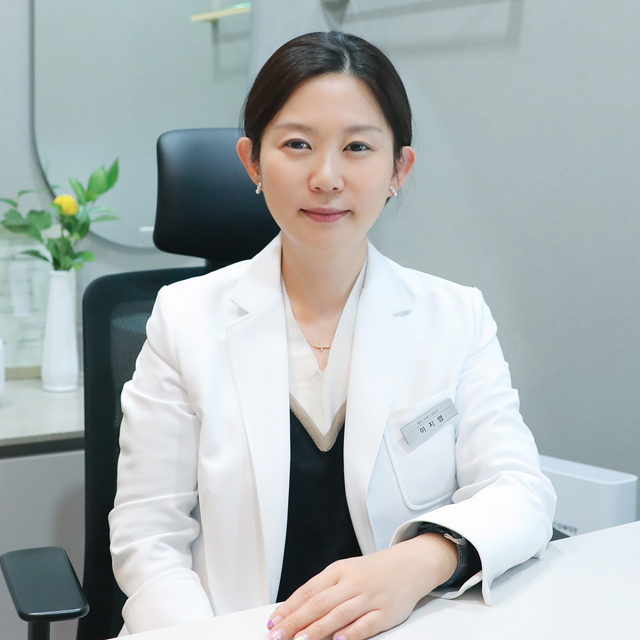
Dr. Lee Jiyoung
Board-certified Dermatologist
Assessment and treatment are carried out by Dr. Lee Jiyoung, Chief Director of SeoJeong Dermatology and a board-certified dermatologist in South Korea with more than 20 years of clinical experience. Her medical education and her dermatology specialist training were both completed in South Korea, and she holds an ECFMG certificate.
The consultation assesses skin type, texture, sensitivity, acne and pigmentation concerns, and reviews medical history, allergies, medications and previous skin treatments to determine suitability. An appropriate AquaPeel or chemical peel treatment is then selected, and expected results, potential risks and aftercare instructions are explained. Where the concern is a diagnosed skin condition rather than skin quality, the route is the one described under Medical Skin Care.
Before establishing the clinic in April 2022, she was Director at Cheongdam Lee Ji-ham Dermatology Clinic, at B&C Dermatology Clinic's Gangnam branch, and at CU Cleanup Dermatology Clinic's Yeongdeungpo branch. She is a regular member of the Korean Dermatological Association, the Korean Association of Dermatologists, the Korean Academy of Anti-Aging Dermatology, the Korean Acne Society, and the Korean Atopic Dermatitis Association. SeoJeong Dermatology is a single-physician clinic, and a dedicated global coordinator supports international patients with English-language communication.
Treatment is carried out under the direction of Dr. Lee Jiyoung; this page does not claim that one specific doctor personally performs every session of this service.
Who Is a Good Candidate for AquaPeel & Chemical Peels?
This treatment may suit people with:
Dull skin.
Rough texture.
Selected acne concerns.
Superficial pigmentation.
Treatment may need to be postponed or avoided for:
Active skin infections.
Open wounds.
Significant irritation.
Certain skin conditions or medication-related risks.
Skin tone is a genuine part of the assessment rather than a formality. DermNet states that peels are most often used in patients with fair skin, Fitzpatrick skin types I to III, and that patients with types IV to VI have increased risk of dyspigmentation and of hypertrophic and keloid scarring, so peels must be performed cautiously and with full informed consent. It also notes that lighter peels are undertaken in darker skin because of the risk of postinflammatory pigmentation. That is not a reason to decline treatment outright; it is a reason the depth chosen may be more conservative than a patient expects.
Patients from the United States commonly ask about these treatments to improve skin texture, reduce the appearance of clogged pores, address dullness, and improve uneven skin tone, as well as for selected acne concerns and superficial pigmentation. Where pigmentation is the main concern and runs deeper than the surface, the options under Pigmentation & Redness Treatment may be more appropriate.
What to Expect: Procedure, Recovery, and Results Timeline
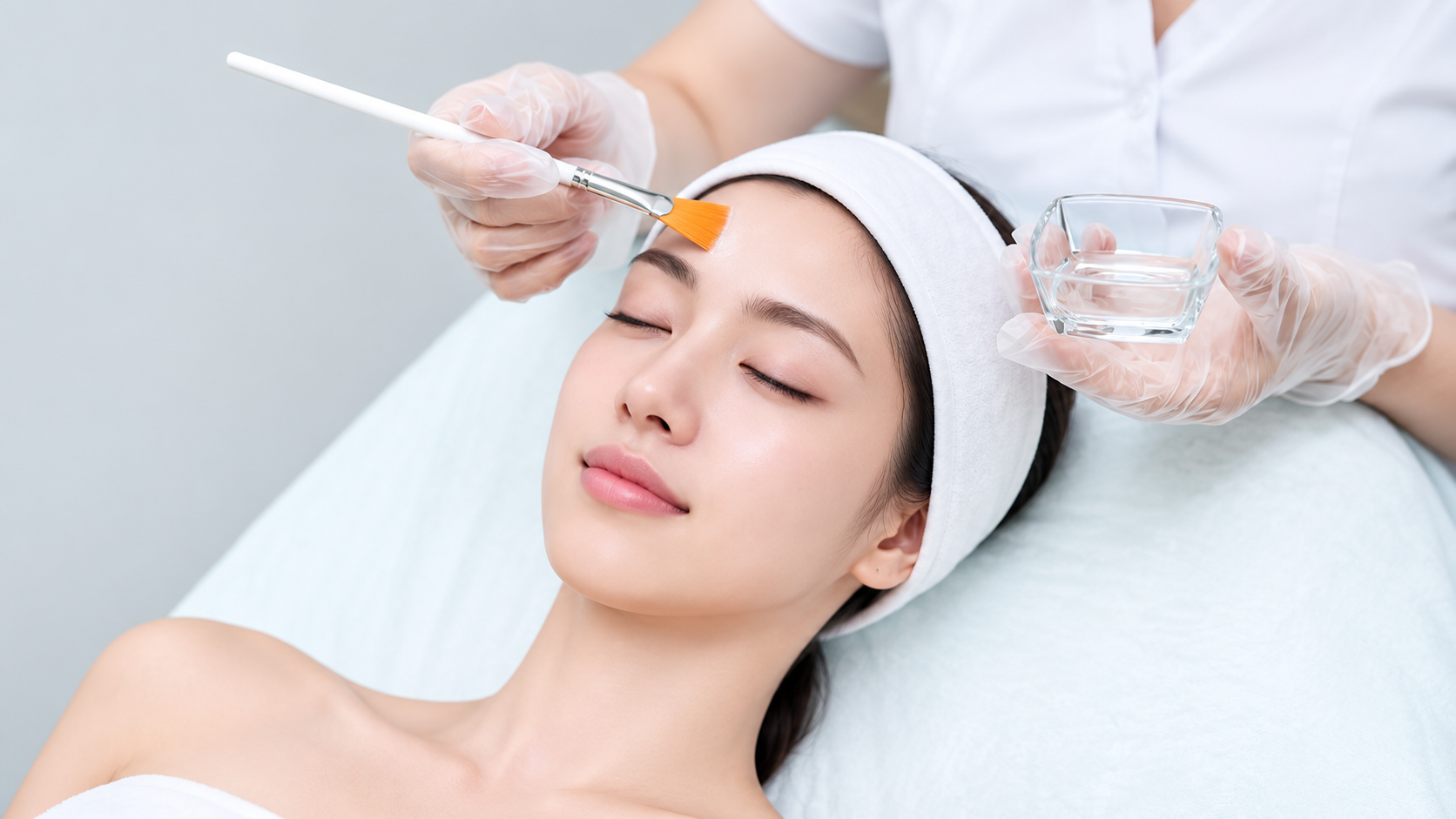
Superficial treatments generally do not require anaesthesia, though mild stinging, warmth or tingling may occur. DermNet describes a chemical peel as a four-step procedure — pre-peel preparation, the peeling procedure, the recovery phase, and the maintenance phase — and that framing is useful, because two of the four steps happen outside the treatment room.
Pre-treatment creams may be applied for several weeks before a peel; by exfoliating the skin and reducing pigmentation themselves, they improve the results and may reduce healing time. DermNet lists tretinoin, an alpha-hydroxy acid such as glycolic or lactic acid, and hydroquinone for tanned or dark-skinned patients or those with melasma among the usual components, and adds that broad-spectrum SPF 50+ sunscreen should be used during the day.
Stage | What happens |
|---|---|
Session length | A superficial chemical peel often takes approximately 30 minutes |
Immediately after a superficial peel | Mild facial redness and occasional swelling, usually resolving within 48 hours |
3 to 7 days | Superficial peels often heal within this period |
7 to 14 days or longer | Medium peels may require this long |
Afterwards | Results may become noticeable after recovery |
DermNet's description of the peeling itself is reassuringly ordinary: after a superficial peel the peeling is similar to sunburn, most people can continue their normal activities, and make-up can be applied a few hours after the procedure. Moderate-depth peels are a different proposition, producing intense inflammation and swelling that resolve within a week, with mild redness persisting for several weeks.
The peel itself is short and uneventful. DermNet describes the face being thoroughly washed first to remove surface oil, the peeling agent applied for several minutes, and the burning sensation lessening once the peel is neutralised; it notes that how badly and how long it stings depends on the chemical, its concentration, whether aspirin pre-treatment was given, and individual factors, and that a fan can help. Superficial peels are described as a minor procedure needing no special arrangements, while deeper peels may require painkillers, sedation or local anaesthetic, and antibiotics and oral antiviral agents may be recommended afterwards. A single treatment may also include peels with several agents on the same occasion, with the aim of improving results and reducing risks.
Before treatment, avoid tanning, disclose medications and allergies, and follow the clinician's instructions about retinoids and exfoliating products. Afterwards, use gentle skincare, moisturise, apply sunscreen, avoid picking peeling skin, and follow the clinician's instructions. DermNet's post-peel advice runs along the same lines and adds two points worth repeating: do not pick, because picking delays healing and causes scarring, and protect from the sun, especially for the first six months.
How long the result lasts varies by treatment, skin condition, sun exposure and maintenance. DermNet notes that peels can be repeated as necessary, that some people have superficial peels every few weeks, and that it is wise to wait three to six months before repeating a moderate-depth peel.
Combining AquaPeel & Chemical Peels with Other Treatments
Possible combinations include clinician-directed skincare or selected laser treatments, and combining exfoliation procedures requires professional assessment. The documented alternatives are medical skincare, superficial or medium chemical peels, and selected laser treatments, depending on the skin concern.
Within this clinic, the laser treatments most often discussed alongside exfoliation each have their own page — Excel V Genesis Laser where texture and tone are the concern, and Laser Toning where pigment is.
Sequencing matters more than stacking. Two exfoliating procedures close together increase irritation rather than results, which is why the interval and the order are decided clinically rather than packaged in advance.
Safety, Precision, and Clinic Standards
Possible effects include redness, dryness, irritation, peeling, pigmentation changes, and, rarely, infection or scarring.
DermNet's complication list is specific and each item has a practical counterpart. Comedones or acne may result from the peel itself or from thick moisturisers used afterwards. Infection may be bacterial, yeast or viral, and may need antibiotics. Scarring may result from infection or from picking the scabs, and can be permanent. Blotchy pigmentation is most likely in those with darker skin or who had a pigmentation problem before the peel, with sun avoidance and hydroquinone the stated response. Persistent actinic keratoses may require separate treatment.
The same page offers the reassurance that belongs beside that list: complications are uncommon if the health professional performing the peel is properly trained and experienced. It also notes who usually performs what — a nurse or aesthetician may perform superficial peels, while a dermatologist or plastic surgeon usually performs moderate to deeper peels.
The NHS states that all cosmetic procedures carry some risk, whether surgical or non-surgical, and that they can lead to serious complications if not done correctly. Its advice is to choose a reputable, safe and qualified practitioner trained and experienced in the procedure you are having, and to ask about the procedure, the products used, and what could go wrong.
At SeoJeong Dermatology, treatment planning is carried out by a Korean board-certified dermatologist, each patient receives an individual skin assessment to select treatments suited to their needs, and consultation precedes the selection of any procedure. The clinic is a Registered Medical Institution for Attracting Foreign Patients, certified by the Ministry of Health and Welfare in compliance with the Medical Overseas Expansion and Foreign Patients Attraction Act; its business registration number is 342-17-01916.
NHS guidance on having cosmetic treatment abroad advises finding out what happens if there are complications, where follow-up appointments will be, and how easily you could travel back to the destination where you were treated. It notes that overseas clinics may not provide follow-up treatment to the same standard, and advises asking whether the practitioner speaks a language you understand, since they need to be able to explain the procedure and understand your concerns.
The Bottom Line
AquaPeel cleanses and exfoliates with a device; chemical peels exfoliate with selected solutions.
Depth decides effect, downtime and risk, and is chosen for your skin rather than requested.
Superficial peels heal in about 3 to 7 days; medium peels take 7 to 14 days or longer.
Darker skin types carry a higher risk of pigment change, so lighter peels are used.
The first superficial peel may underwhelm; repeated peels are where the change shows.
Frequently Asked Questions
What is the difference between AquaPeel and a chemical peel?
AquaPeel uses a specialised device to cleanse and exfoliate. A chemical peel applies a selected chemical solution to exfoliate the skin. They are chosen according to skin condition, sensitivity and the result sought.
How long will I be peeling?
Superficial peels often heal within three to seven days, with peeling similar to sunburn. Medium peels may require seven to fourteen days or longer.
Will one peel be enough?
Often not. The result of a first superficial peel may be disappointing, but significant improvement is usually evident after repeated peels.
Is it safe for darker skin?
It requires caution. Darker skin types have an increased risk of dyspigmentation and scarring, so lighter peels are used and full informed consent is taken.
Can I wear make-up afterwards?
After a superficial peel, make-up can be applied a few hours after the procedure and most people continue their normal activities.
How soon can I repeat it?
Superficial peels can be repeated every few weeks by some people. It is wise to wait three to six months before repeating a moderate-depth peel.
What is the most important aftercare rule?
Do not pick. Picking delays healing and causes scarring. Sun protection comes a close second, especially in the first months.
Can I have the consultation in English?
Yes. International patients receive consultations in English at SeoJeong Dermatology, supported by a dedicated global coordinator who handles English-language communication and consultation arrangements.
Book a Consultation at SeoJeong Dermatology
The depth and the method are chosen from your skin type and your concern, which is why the assessment comes before the booking rather than after it. SeoJeong Dermatology is at B-123, Lobby Floor, Acro Vista Arcade, 188 Seochojungang-ro, Seocho-gu, Seoul, South Korea. Opening hours are Monday and Thursday 09:30–19:30, Tuesday and Friday 09:30–18:30, and Saturday 09:30–15:00, with a lunch break from 12:30 to 13:30 Monday to Friday; the clinic is closed on Wednesday and Sunday. To arrange a consultation, use the contact page or call +82-2-533-9300, or email info@seojeongclinic.com.
Incheon International Airport is roughly 11 to 13 hours' non-stop flight from the US West Coast and 14 to 16 hours from the East Coast, with departure hubs including Los Angeles, San Francisco, Seattle, New York, Chicago, and Atlanta; Seocho-gu is reached from Incheon by airport limousine, taxi, or public transport. Arriving at least one day before the appointment allows time for travel recovery and the consultation. Korea Standard Time is UTC+9. US citizens are currently exempt from K-ETA only until 31 December 2026, which may change from 1 January 2027, and a digital e-Arrival Card has been mandatory for every entry since 1 January 2026.
Disclaimer
This page is for general information only and is not a substitute for individual medical advice, diagnosis, or treatment. Outcomes vary between individuals, and no specific result is guaranteed. Please consult a qualified medical professional about your own circumstances.
Sources & Further Reading
DermNet — Chemical peels — peel types and depths, indications and contraindications by skin type, the four-step procedure, recovery, aftercare and complications
NHS — Before you have a cosmetic procedure — risks of surgical and non-surgical procedures, and choosing a practitioner
NHS — Cosmetic surgery abroad — complications, follow-up and language when treated outside your home country
Other Services
Explore additional treatments offered by our specialists.

Acne Care & Extraction
Acne care and extraction in Seoul is a non-surgical skin-care service addressing clogged pores, blackheads, whiteheads and selected acne lesions.
Learn More

3DEEP Needle RF
3DEEP Needle RF in Seoul is a radiofrequency-based treatment that delivers energy into targeted skin layers using a specialised device.
Learn More
Acne Laser & Light Therapy
Acne laser and light therapy in Seoul uses selected laser or light-based devices to help manage certain types of acne.
Learn More