Personalized Medical Care & Dedicated International Patient Concierge


Pore & Skin Texture Treatment · Needs Clinic Confirmation
Excel V Genesis Laser
Excel V Genesis laser in Seoul is a non-invasive laser treatment that targets facial redness, visible blood vessels and uneven skin tone. At SeoJeong Dermatology in Seocho-gu it may also help improve the appearance of fine lines and overall skin texture.
Schedule a ConsultationExcel V Genesis Laser
Medically reviewed by Dr. Lee Jiyoung, Board-Certified Dermatologist
Excel V Genesis laser in Seoul is a non-invasive laser treatment that targets facial redness, visible blood vessels and uneven skin tone. At SeoJeong Dermatology in Seocho-gu it may also help improve the appearance of fine lines and overall skin texture.
What Is Excel V Genesis Laser?
Genesis is a mode rather than a separate machine. The Excel V platform carries 532 nm KTP and 1064 nm Nd:YAG wavelengths for selected vascular and pigmented lesions, and Genesis uses the 1064 nm Nd:YAG energy for non-ablative skin revitalisation.
Non-ablative means the skin surface is not removed.
The wavelength used in this mode is 1064 nm.
A session commonly takes approximately 10 to 30 minutes, depending on the treatment area and selected mode.
A course of approximately three to five sessions, spaced two to four weeks apart, may be considered.
Anaesthesia is often unnecessary.
Excel V Genesis is a non-surgical laser treatment which may improve the appearance of selected vascular lesions, facial redness, uneven skin tone, skin texture, pores and fine lines. Settings are chosen for the individual, and results, discomfort and recovery vary between patients.
What "non-ablative" means in practice is worth spelling out. DermNet describes non-ablative laser work as heating the dermal collagen while avoiding damage to the surface skin cells by cooling the epidermis, and notes that multiple treatments are required to smooth the skin. That is the trade being made: very little downtime, in exchange for a course rather than a single dramatic session.
The same source explains why a 1064 nm wavelength is used for this kind of work. It notes that vascular skin lesions contain oxygenated haemoglobin, which strongly absorbs visible light at specific wavelengths, while pigmented lesions contain melanin, which has a broad range of absorption in the visible and infrared wavebands; and it lists Nd:YAG among the lasers used successfully to treat a variety of vascular lesions, including facial telangiectases. It adds that the aim of any laser treatment is to destroy the target cells and not to harm the surrounding tissue, and that short pulses reduce how much the damaged cells heat, thereby reducing thermal injury that could result in scarring.
Who Performs Excel V Genesis Laser at SeoJeong Dermatology
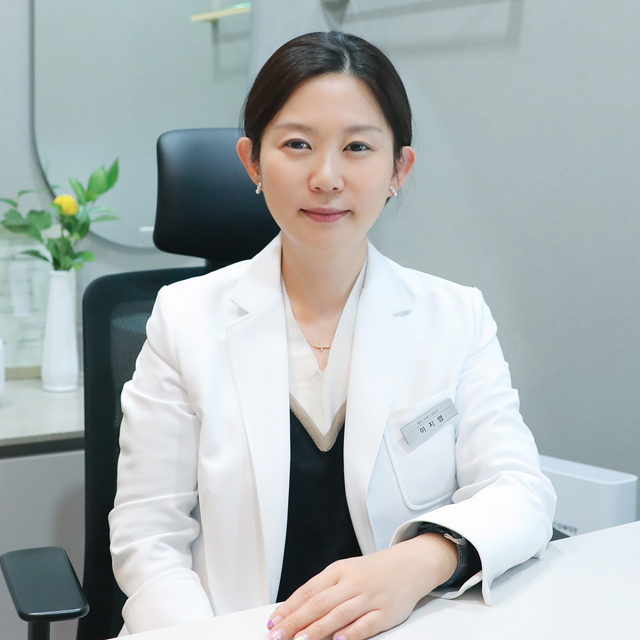
Dr. Lee Jiyoung
Board-certified Dermatologist
Assessment and treatment are carried out by Dr. Lee Jiyoung, Chief Director of SeoJeong Dermatology and a board-certified dermatologist in South Korea with more than 20 years of clinical experience. Her medical education and her dermatology specialist training were both completed in South Korea, and she holds an ECFMG certificate.
The consultation reviews skin concerns, medical history, medications, previous treatments, skin type, and any history of pigmentation. The skin is then examined to determine whether the Genesis mode is appropriate or whether another treatment is needed — a real question rather than a formality, since the same platform offers modes aimed at different targets.
Before establishing the clinic in April 2022, she was Director at Cheongdam Lee Ji-ham Dermatology Clinic, at B&C Dermatology Clinic's Gangnam branch, and at CU Cleanup Dermatology Clinic's Yeongdeungpo branch. She is a regular member of the Korean Dermatological Association, the Korean Association of Dermatologists, the Korean Academy of Anti-Aging Dermatology, the Korean Acne Society, and the Korean Atopic Dermatitis Association. SeoJeong Dermatology is a single-physician clinic, and a dedicated global coordinator supports international patients with English-language communication.
Treatment is carried out under the direction of Dr. Lee Jiyoung; this page does not claim that one specific doctor personally performs every session of this service.
Who Is a Good Candidate for Excel V Genesis Laser?
This treatment may suit:
Adults with facial redness.
Adults with visible small blood vessels.
Adults with uneven skin tone.
Suitability for vascular laser treatment is established by a clinician's assessment rather than by the concern alone.
Treatment may need to be postponed or avoided for:
Active skin infections.
Open wounds.
Significant irritation in the treatment area.
Recent tanning.
A history of pigmentation changes, photosensitivity, current medications and other skin conditions are reviewed before treatment is agreed. Recent tanning is listed alongside infection and open wounds for a reason: added melanin in the epidermis changes how laser energy is absorbed before it reaches its intended target.
What to Expect: Procedure, Recovery, and Results Timeline
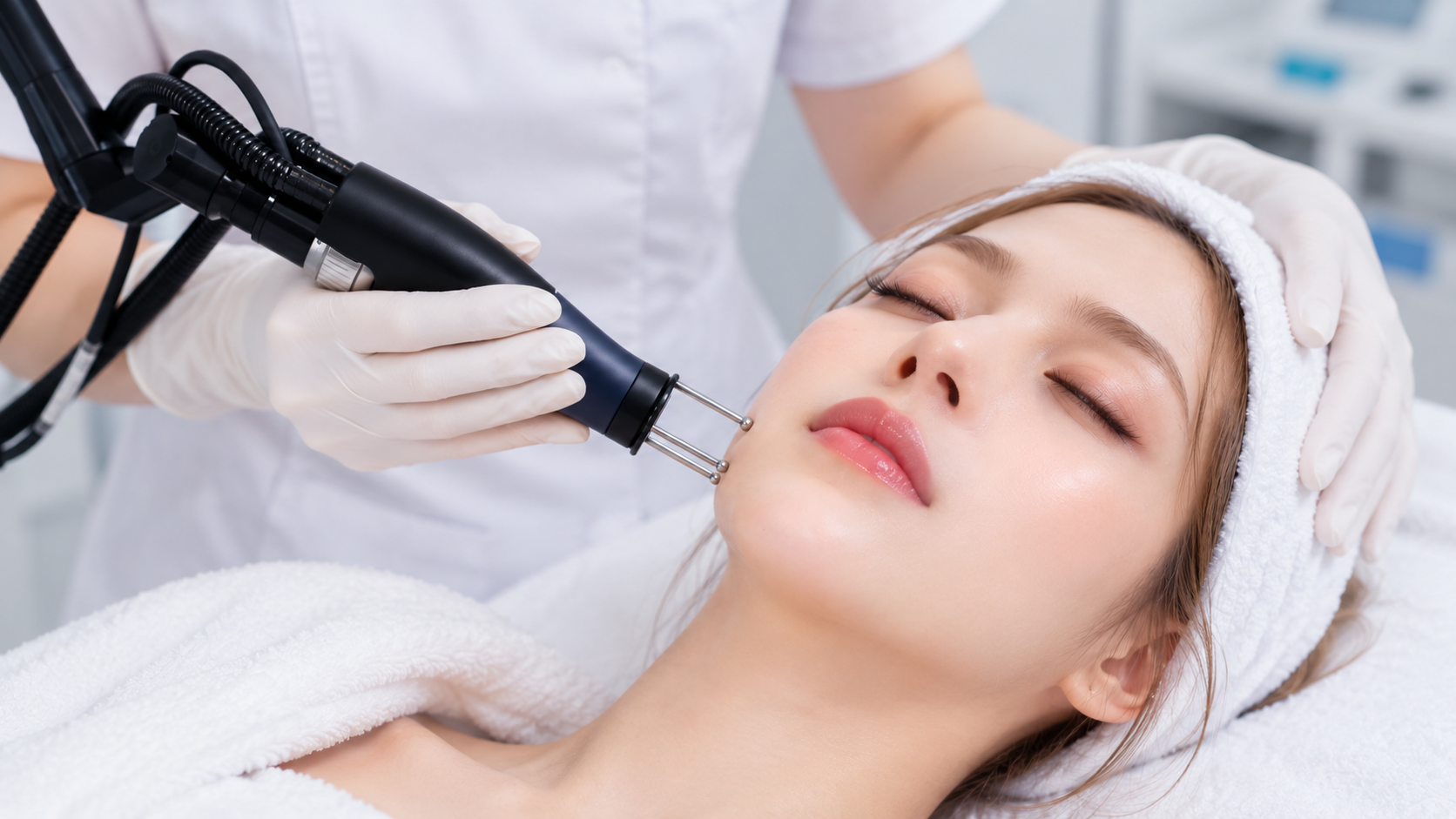
The session has four steps: cleansing the treatment area and taking photographs if needed; providing appropriate eye protection; delivering controlled laser pulses over the selected area; and assessing the skin before giving aftercare instructions. The exact steps depend on the device and the treatment plan.
Anaesthesia is often unnecessary for this mode. Patients may experience gentle warmth, tingling or brief stinging; cooling may improve comfort, and topical anaesthetic may be considered when clinically appropriate.
Stage | What happens |
|---|---|
Session length | Approximately 10 to 30 minutes |
Course | Approximately 3 to 5 sessions, 2 to 4 weeks apart |
Days 1 to 3 | Mild redness, warmth or swelling may occur and gradually improve |
Days 4 to 7 | The skin generally continues settling |
Longer | Bruising or crusting after vascular or pigment treatment may last beyond that |
Before treatment, avoid tanning and excessive sun exposure, and inform the clinician about medications, supplements, skincare products, previous laser procedures, cold sores, and any history of abnormal scarring or pigment changes. Do not stop prescribed medications without medical advice.
Afterwards, use gentle cleansing, moisturiser and broad-spectrum sunscreen. Avoid excessive heat, saunas, strenuous exercise and irritating skincare products for the period advised. Do not pick crusts or blisters, and contact the clinic if symptoms worsen or persist unexpectedly.
Some improvement may be noticeable after the first session, with further improvement developing over several sessions. Longevity depends on the concern treated, individual response, sun exposure and any underlying skin conditions — and redness or other concerns may recur, which is an honest statement about the nature of the problem rather than about the treatment.
Photographs taken at the first session are more useful here than in most treatments, because the change is incremental by design. A patient looking in the mirror after session three is comparing today's skin with yesterday's, which is the comparison least likely to show a difference built over several weeks. The record taken before the first pulse is the only reliable baseline, and it is also what makes an honest conversation possible at the end of a course — including the conversation in which the answer is that this was not the right treatment for the concern.
Combining Excel V Genesis Laser with Other Treatments
Depending on the patient's concerns, a clinician may combine vascular laser treatment with this mode, with a pigment-targeting laser, or with a gentle moisturising treatment. Treatment timing is planned to minimise irritation and pigmentary complications, which is the constraint that decides what happens in one visit and what waits.
The documented alternatives are pigment-targeting lasers for selected pigmented lesions; other vascular lasers or intense pulsed light for certain types of redness and visible vessels; and topical skincare or prescription treatments for some pigmentary or inflammatory conditions. Selection depends on diagnosis and skin type. The clinic's wider range for texture and pores is set out on the Pore & Skin Texture Treatment page, and pigment and redness options under Pigmentation & Redness Treatment.
Safety, Precision, and Clinic Standards
Temporary redness, warmth, swelling, tenderness and mild stinging may occur. Depending on the treatment mode and settings, bruising, crusting, blistering, burns, scarring and temporary or persistent pigment changes are possible.
DermNet states that laser treatments are burns, and lists the adverse effects that may occur as temporary pain, redness, bruising, blistering and crusting; infection, including reactivation of herpes simplex; pigment changes, brown and white marks, which may be permanent; and scarring. Its laser-safety list covers thorough training of personnel, eye protection for the patient and clinic staff, a warning notice outside the procedure room, non-reflective instruments, and the avoidance of flammable materials.
The NHS states that all cosmetic procedures carry some risk, whether surgical or non-surgical, and that they can lead to serious complications if not done correctly. Its advice is to choose a reputable, safe and qualified practitioner trained and experienced in the procedure you are having, and to ask about the procedure, the products used, and what could go wrong.
At SeoJeong Dermatology, treatment planning is carried out by a Korean board-certified dermatologist, each patient receives an individual skin assessment to select treatments suited to their needs, and consultation precedes the selection of any procedure. The clinic is a Registered Medical Institution for Attracting Foreign Patients, certified by the Ministry of Health and Welfare in compliance with the Medical Overseas Expansion and Foreign Patients Attraction Act; its business registration number is 342-17-01916.
NHS guidance on having cosmetic treatment abroad advises finding out what happens if there are complications, where follow-up appointments will be, and how easily you could travel back to the destination where you were treated. It notes that overseas clinics may not provide follow-up treatment to the same standard, and advises asking whether the practitioner speaks a language you understand, since they need to be able to explain the procedure and understand your concerns.
The Bottom Line
Genesis is the 1064 nm non-ablative mode of the Excel V platform, aimed at redness, tone and texture.
Non-ablative means the surface is left intact and a course is needed rather than one session.
Three to five sessions, two to four weeks apart, is the usual plan.
Anaesthesia is often unnecessary, and redness settles over a few days.
Redness and other concerns may recur, and longevity depends on sun exposure and any underlying condition.
Frequently Asked Questions
How many sessions will I need?
A course of approximately three to five sessions, spaced two to four weeks apart, may be considered depending on the indication and the clinical response.
Does it hurt?
Anaesthesia is often unnecessary. Patients may experience gentle warmth, tingling or brief stinging, and cooling may be used to improve comfort.
How long does a session take?
Approximately 10 to 30 minutes, depending on the treatment area and the selected mode.
What does recovery look like?
Mild redness, warmth or swelling may occur over the first three days and gradually improve, with the skin generally continuing to settle through days four to seven. Bruising or crusting after vascular or pigment treatment may last longer.
When will I see results?
Some improvement may be noticeable after the first session, with further improvement developing over several sessions.
Will the redness come back?
It may. Longevity depends on the concern treated, individual response, sun exposure and any underlying skin conditions.
Why does recent tanning matter?
Because added melanin in the epidermis changes how the laser energy is absorbed before it reaches its target, which affects both safety and result.
Can I have the consultation in English?
Yes. International patients receive consultations in English at SeoJeong Dermatology, supported by a dedicated global coordinator who handles English-language communication and consultation arrangements.
Book a Consultation at SeoJeong Dermatology
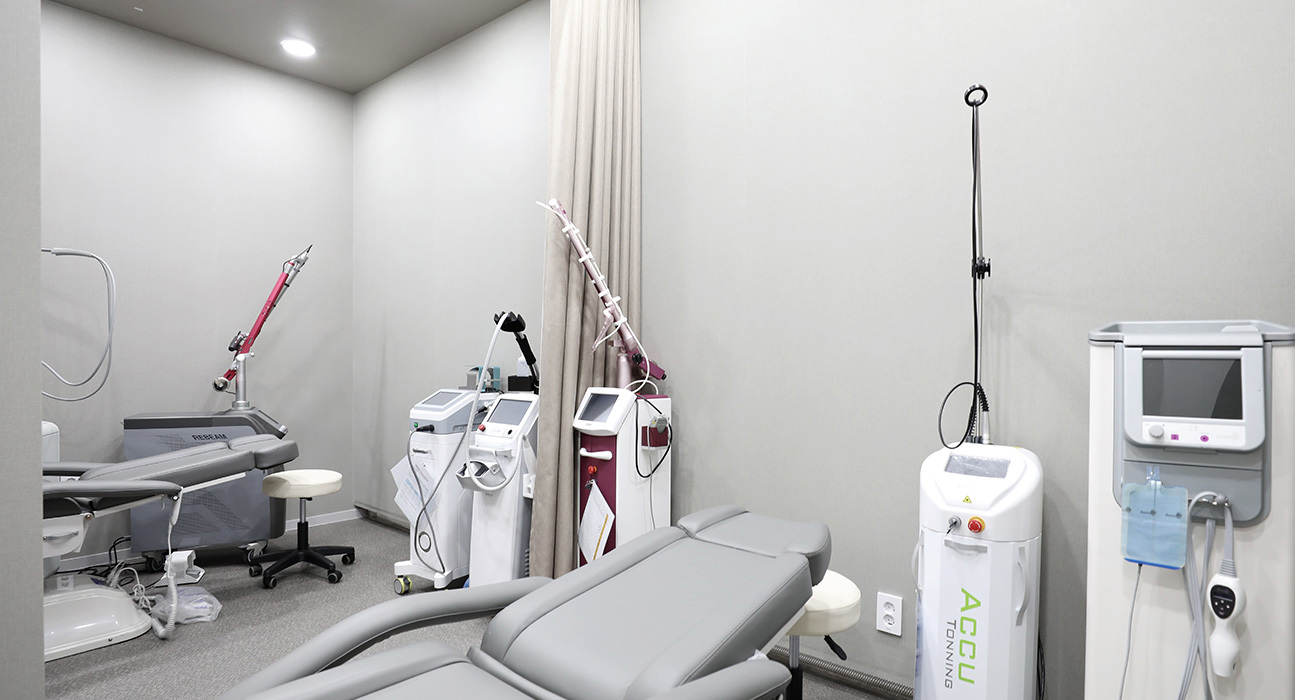
The platform offers several modes, and the examination decides which one — if any — matches the concern in front of us. SeoJeong Dermatology is at B-123, Lobby Floor, Acro Vista Arcade, 188 Seochojungang-ro, Seocho-gu, Seoul, South Korea. Opening hours are Monday and Thursday 09:30–19:30, Tuesday and Friday 09:30–18:30, and Saturday 09:30–15:00, with a lunch break from 12:30 to 13:30 Monday to Friday; the clinic is closed on Wednesday and Sunday. To arrange a consultation, call +82-2-533-9300 or email info@seojeongclinic.com.
Incheon International Airport is roughly 11 to 13 hours' non-stop flight from the US West Coast and 14 to 16 hours from the East Coast, with departure hubs including Los Angeles, San Francisco, Seattle, New York, Chicago, and Atlanta; Seocho-gu is reached from Incheon by airport limousine, taxi, or public transport. Arriving at least one day before the appointment allows time for travel recovery and the consultation. Korea Standard Time is UTC+9. US citizens are currently exempt from K-ETA only until 31 December 2026, which may change from 1 January 2027, and a digital e-Arrival Card has been mandatory for every entry since 1 January 2026.
Disclaimer
This page is for general information only and is not a substitute for individual medical advice, diagnosis, or treatment. Outcomes vary between individuals, and no specific result is guaranteed. Please consult a qualified medical professional about your own circumstances.
Sources & Further Reading
DermNet — Lasers in dermatology — what non-ablative dermal heating means and why multiple treatments are needed, absorption by haemoglobin and melanin, Nd:YAG among lasers used for vascular lesions, the role of short pulses, laser-safety precautions and adverse effects
NHS — Before you have a cosmetic procedure — risks of surgical and non-surgical procedures, and choosing a practitioner
NHS — Cosmetic surgery abroad — complications, follow-up and language when treated outside your home country
Other Services
Explore additional treatments offered by our specialists.

Acne Care & Extraction
Acne care and extraction in Seoul is a non-surgical skin-care service addressing clogged pores, blackheads, whiteheads and selected acne lesions.
Learn More

3DEEP Needle RF
3DEEP Needle RF in Seoul is a radiofrequency-based treatment that delivers energy into targeted skin layers using a specialised device.
Learn More

Acne Laser & Light Therapy
Acne laser and light therapy in Seoul uses selected laser or light-based devices to help manage certain types of acne.
Learn More