Personalized Medical Care & Dedicated International Patient Concierge


Specialty Overview
Medical Skin Care
Medical skin care involves the assessment, prevention, and management of skin conditions under appropriate medical supervision.
Schedule a ConsultationMedical Skin Care

Medically reviewed by Dr. Lee Jiyoung, Board-Certified Dermatologist
Medical skin care involves the assessment, prevention, and management of skin conditions under appropriate medical supervision. At SeoJeong Dermatology in Seocho-gu, Seoul, care may include skin examination, prescription or non-prescription topical products, oral medications, skincare guidance, and selected dermatological procedures, chosen for the individual after assessment by a board-certified dermatologist.
What Is Medical Skin Care?
Medical skin care is a supervised programme rather than a single procedure: the skin is examined, a plan is set, and the plan is adjusted as the skin responds.
It combines examination, topical or oral treatment, skincare guidance, and in-clinic procedures.
The documented programme runs over approximately 8 to 12 weeks, with periodic visits.
An initial consultation takes approximately 15 to 30 minutes; complex concerns may require more.
The clinic describes this category as a structured skincare program designed to manage acne and improve selected concerns involving skin texture and acne-related marks.
Claims are expected to reflect the treatments actually provided and the available evidence.
The distinction that matters is between routine skincare and medical skin care. Routine skincare can support skin health but may not be sufficient for a medical skin condition — which is the clinic's own documented comparison, and the reason this category begins with an examination rather than with a product.
The 8-to-12-week figure is a treatment-course duration, not a promise that a final result arrives at the end of it. Acne improvement may begin over several weeks, while acne marks and scars can take months or longer.
Who Performs Medical Skin Care at SeoJeong Dermatology
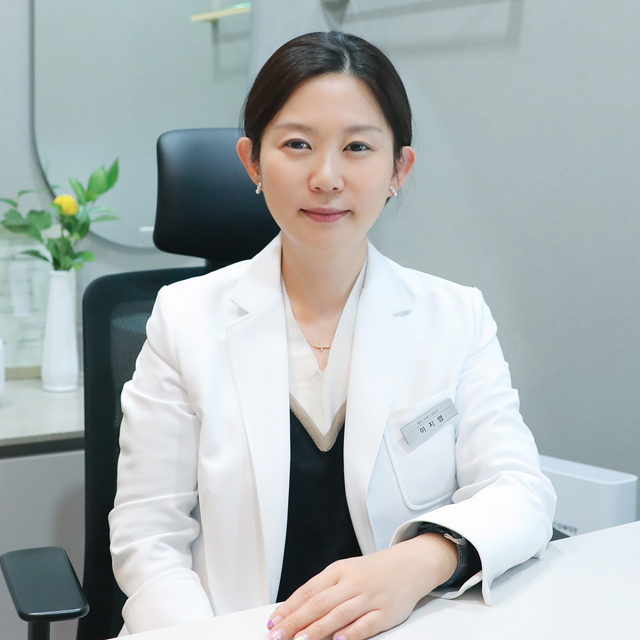
Dr. Lee Jiyoung
Board-certified Dermatologist
Assessment and treatment are carried out by Dr. Lee Jiyoung, Chief Director of SeoJeong Dermatology and a board-certified dermatologist in South Korea with more than 20 years of clinical experience. Her medical education and her dermatology specialist training were both completed in South Korea, and she holds an ECFMG certificate.
The clinic's stated philosophy is directly relevant to this category: "Rather than recommending procedures that everyone receives, we guide patients toward treatments suited to their individual needs, helping them maintain safe, healthy, and beautiful skin." A programme assembled from cleansing, exfoliation, hydration, light, ultrasound, and barrier products is exactly the kind of thing that can be sold as a fixed package; here the documented process is a review of symptoms, medical history, allergies, medications, previous treatments, skincare routine, and relevant lifestyle factors, followed by a skin examination and an individualised plan.
Before establishing the clinic in April 2022, she was Director at Cheongdam Lee Ji-ham Dermatology Clinic, at B&C Dermatology Clinic's Gangnam branch, and at CU Cleanup Dermatology Clinic's Yeongdeungpo branch. She is a regular member of the Korean Dermatological Association, the Korean Association of Dermatologists, the Korean Academy of Anti-Aging Dermatology, the Korean Acne Society, and the Korean Atopic Dermatitis Association. SeoJeong Dermatology is a single-physician clinic, and a dedicated global coordinator supports international patients with English-language communication.
Medical Skin Care Options Available
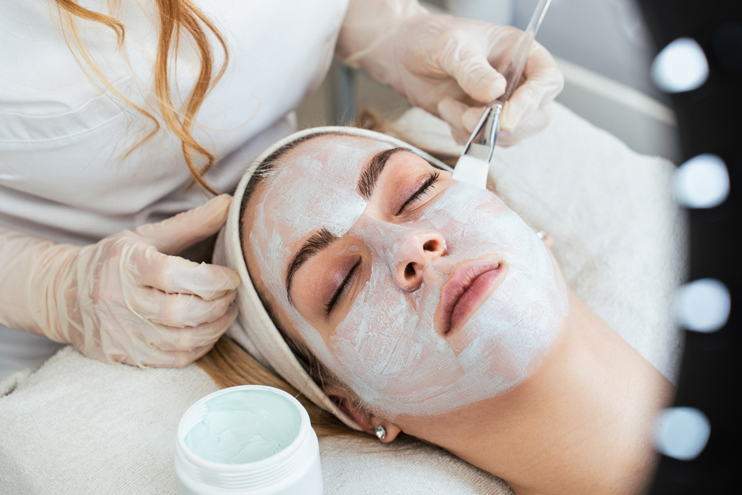
Treatment | What it does | Session |
|---|---|---|
Cleansing and exfoliation; chemical peels for uneven tone, rough texture, dullness and selected acne | Superficial peel approx. 30 minutes | |
Addresses dullness, dryness and uneven-looking tone; supports moisture and comfort | 30–60 minutes | |
Oxygen-delivery system as part of a skin-conditioning routine | 30–60 minutes | |
Iontophoresis combined with ultrasound to help deliver selected ingredients | 30–60 minutes | |
Ultrasound at different frequencies, for dryness, sensitivity and texture | 15–30 minutes | |
Gentle skincare, hydration and barrier-supporting ingredients | 20–45 minutes |
The devices used across these are Ionto-Son, OMEGA LIGHT, Petit Lux LED, LDM, Ionzyme, O2DERM LED+, and AquaPeel. Barrier products are described as containing ceramides, glycerin, hyaluronic acid, or other barrier-supporting ingredients.
Peels are the member of this list with real depth, and depth is what determines recovery. DermNet New Zealand describes a chemical peel as the application of one or more chemicals that remove damaged cells and resurface the skin, removing several layers of sun-damaged skin cells and leaving fresh skin with a more even surface and colour; it may stimulate new collagen and so improve skin texture. DermNet notes that superficial peels using glycolic acid, salicylic acid or Jessner solution are well tolerated — the "lunchtime" peel — and that the result of a first peel may be disappointing, with significant improvement usually evident only after repeated peels. It also records that patients with Fitzpatrick skin types IV to VI have an increased risk of dyspigmentation and of hypertrophic and keloid scarring, so peels must be performed cautiously and with full informed consent.
Where the concern is active acne rather than its aftermath, Acne Treatment is the category that addresses it, and the two are routinely sequenced rather than run at once.
Who Is a Good Candidate for Medical Skin Care?
People with persistent or recurring skin concerns.
People with diagnosed dermatological conditions.
People with questions about appropriate skincare.
People who have not achieved satisfactory improvement with routine skincare.
People who need a personalised treatment and monitoring plan.
This category has no single eligibility rule, because it is not a single procedure. A treatment may be unsuitable, or need postponing, during:
An active infection.
Severe irritation, an open wound, or significant inflammation in the treatment area.
Another condition that affects treatment safety.
Particular allergies, medical conditions, or pregnancy-related considerations may also make a specific medication or procedure inappropriate. Ultrasound- and iontophoresis-based care carries one additional question: implanted electronic devices should be disclosed before treatment.
Why patients from the United States ask about this treatment
Patients from the United States may seek medical skin care to address persistent acne, dryness, irritation, uneven pigmentation, rashes, sensitivity, or other skin concerns, and some want professional guidance on skincare routines and on preventing recurring problems. Cleaner, smoother skin after AquaPeel and chemical peels is one of the results they are most pleased with, and better skin texture, tone, and overall appearance is what they come for.
The recorded hesitations bear on this category in a specific way. Uncertainty about the number of sessions required, and about how long to stay in Korea, is harder to resolve here than for a single-session procedure, because the documented programme assumes periodic visits over 8 to 12 weeks. A short visit alone may not complete the programme, and whether the visits can be scheduled within one trip or require repeat travel is a question to settle with the clinic before booking flights.
Consultation and assessment
The clinician reviews symptoms, medical history, allergies, medications, previous treatments, skincare routine, and relevant lifestyle factors, then examines the skin. Additional tests, or a biopsy, may be considered if clinically indicated. The clinician explains the likely diagnosis, the treatment options, the expected benefits, the risks, and the follow-up required.
Bring information about current medications, allergies, previous diagnoses, prior treatments, and the skincare products you actually use. Mention pregnancy or breastfeeding where relevant, and any history of unusual skin reactions or scarring. The last of those matters more than it sounds: it is what determines whether a peel is suitable and at what depth.
What to Expect: Procedure, Recovery, and Results Timeline
Discussion. The skin concern and medical history are reviewed.
Examination. The affected skin is examined.
Tests, where indicated. Any necessary diagnostic tests are performed.
Plan. An individualised treatment plan is established.
Treatment. Skincare products, medication, or a dermatological procedure, as planned.
Review. The response is assessed and the plan adjusted when needed.
Routine skin assessments and topical skincare are generally painless, although some products may cause temporary stinging or irritation. Where the programme includes peels, microneedling, or device-based treatments, discomfort may range from mild tingling to a more noticeable prickling or burning sensation. Local anesthesia or topical numbing may be used when appropriate for a procedure such as a biopsy.
Stage | What to expect |
|---|---|
Initial adjustment to routine products | 0–2 weeks, though dryness, redness or peeling may last longer |
Peels or device-based treatments | Recovery 1–4 weeks depending on intensity |
Superficial peel | Healing often within 3–7 days |
Medium peel | 7–14 days or longer |
LDM ultrasound and barrier care | Generally 0–1 day; normal activities usually resume immediately |
Oxygen therapy | Usually no downtime |
Programme length | Approximately 8–12 weeks of periodic visits |
Flying home | Same day after a consultation or routine session; 1–3 days after a peel or device-based treatment |
DermNet's account of recovery after peels matches that range from the clinical side: superficial peels cause mild facial redness and occasional swelling that usually resolve within 48 hours, with peeling similar to sunburn, while moderate-depth peels cause intense inflammation and swelling that resolve within a week, with mild redness persisting for several weeks.
Before your treatment
Ask the clinician whether to pause retinoids, exfoliating acids, or other irritating products before a peel or device-based procedure. Avoid excessive sun exposure and tanning. Avoid treating areas with active infection or broken skin, and do not pick acne lesions beforehand. Do not stop prescribed medication without medical advice.
After your treatment
Follow the prescribed plan and use skincare products as directed. Gentle cleansing, appropriate moisturizing, and sun protection may be recommended depending on the condition and treatment. Avoid introducing irritating products or changing medication use without guidance. DermNet's pre- and post-peel guidance puts particular weight on sun protection, recommending broad-spectrum SPF 50+ sunscreen during the day around peel treatment.
Combining Medical Skin Care with Other Treatments
Medical skin care may be combined with prescription skincare, moisturizers, sun protection, or selected dermatological procedures when clinically appropriate. The documented example is a sequencing one: a clinician may address active acne before considering a scar-focused procedure.
Combining treatments requires consideration of skin sensitivity, medication interactions, healing time, and the risk of irritation — four variables that interact, which is why the combination is planned rather than assembled on request. Within this category itself, several of the treatments are gentle enough to sit alongside others, while peels occupy a recovery window that the rest of the plan has to respect.
Safety, Precision, and Clinic Standards

Risks depend on the treatment used. Topical products may cause dryness, irritation, burning, or allergic reactions. Oral medications can have treatment-specific side effects and may require monitoring. Procedures may cause redness, swelling, discomfort, infection, scarring, or changes in pigmentation. The clinic also records persistent irritation, worsening acne, pigment changes, and delayed healing among the possible outcomes, and notes that some prescription acne medications carry additional risks and may require monitoring.
Two of the gentler treatments carry a specific caution. Oxygen therapy is not a proven treatment for deep wrinkles, significant skin laxity, acne scars, or permanent skin rejuvenation, and the vitamin facial does not permanently remove pigmentation.
At SeoJeong Dermatology, treatment planning is carried out by a Korean board-certified dermatologist, each patient receives an individual skin assessment to select treatments suited to their needs, and consultation precedes the selection of any procedure. The clinic is a Registered Medical Institution for Attracting Foreign Patients, certified by the Ministry of Health and Welfare in compliance with the Medical Overseas Expansion and Foreign Patients Attraction Act; its business registration number is 342-17-01916. Treatment takes place in private consultation and treatment rooms offering one-to-one care.
The NHS states that all cosmetic procedures carry some risk, whether surgical or non-surgical, and that they can lead to serious complications if not done correctly. Its advice is to choose a reputable, safe and qualified practitioner trained and experienced in the procedure you are having, and to ask about the procedure, the products used, and what could go wrong.
If you are travelling for treatment
NHS guidance on having cosmetic treatment abroad advises finding out what happens if there are complications, where follow-up appointments will be, and how easily you could travel back to the destination where you were treated. It notes that overseas clinics may not provide follow-up treatment to the same standard, and advises asking whether the practitioner speaks a language you understand, since they need to be able to explain the procedure and understand your concerns.
Incheon International Airport is roughly 11 to 13 hours' non-stop flight from the US West Coast and 14 to 16 hours from the East Coast, with departure hubs including Los Angeles, San Francisco, Seattle, New York, Chicago, and Atlanta; Seocho-gu is reached from Incheon by airport limousine, taxi, or public transport. Arriving at least one day before the appointment allows time for travel recovery and the consultation. Korea Standard Time is UTC+9. US citizens are currently exempt from K-ETA only until 31 December 2026, which may change from 1 January 2027, and a digital e-Arrival Card has been mandatory for every entry since 1 January 2026. Because this category is a programme rather than an appointment, agree in advance which parts are done in clinic and which continue at home.
The Bottom Line
This is dermatologist-supervised care: examination first, then a plan combining products, medication, and selected procedures.
The documented programme runs approximately 8 to 12 weeks of periodic visits, which is a course length rather than a results guarantee.
Peels are the part with real recovery: 3 to 7 days for a superficial peel, 7 to 14 days or longer for a medium one.
Oxygen, ultrasound and barrier treatments generally involve little or no downtime.
Routine skincare supports skin health but may not be sufficient for a medical skin condition.
Frequently Asked Questions
Who is a good candidate?
People with persistent or recurring skin concerns, diagnosed dermatological conditions, or questions about appropriate skincare — particularly those who have not improved with routine skincare or who need a personalised plan with monitoring.
Who should avoid or postpone treatment?
There is no single rule, because this is not a single procedure. A given treatment may be unsuitable or need postponing during an active infection, severe irritation, or another condition affecting treatment safety, and some medications or procedures are inappropriate with particular allergies, medical conditions, or pregnancy-related considerations.
How long does it take?
An initial consultation takes approximately 15 to 30 minutes, and complex concerns may require more. Individual sessions range from 15 to 60 minutes depending on the treatment, within a programme of periodic visits over roughly 8 to 12 weeks.
Is it painful?
Routine assessment and topical skincare are generally painless, though some products may sting temporarily. Peels, microneedling, or device-based treatments can produce anything from mild tingling to a noticeable prickling or burning sensation.
What side effects should I expect?
That depends on what is used. Topical products may cause dryness, irritation, burning, or allergic reactions; procedures may cause redness, swelling, discomfort, infection, scarring, or pigment changes; oral medications have their own side effects and may require monitoring.
When will I see results?
Progress is assessed at the end of the initial 8-to-12-week programme, which does not necessarily represent the final result. Acne improvement may begin over several weeks, while acne marks and scars can take three to six months or longer.
How long should I stay in Korea, and when can I fly home?
An extended stay is not required for an initial consultation and routine skincare, but the programme assumes periodic visits over 8 to 12 weeks, so confirm with the clinic whether these can fit one trip. Travel is generally possible the same day after a consultation, or after one to three days following a peel or device-based treatment.
Can I have the consultation in English?
Yes. International patients receive consultations in English at SeoJeong Dermatology, supported by a dedicated global coordinator who handles English-language communication and consultation arrangements.
Book a Consultation at SeoJeong Dermatology
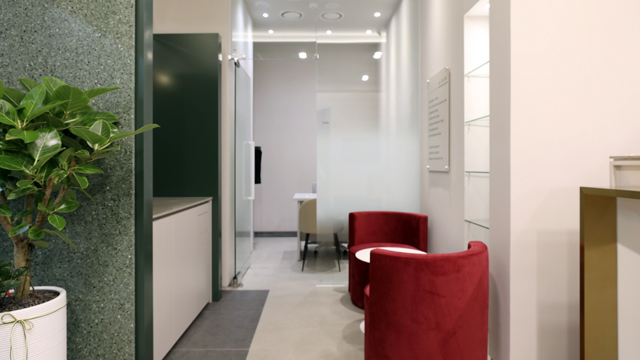
If routine skincare has stopped being enough, the useful next step is an examination and a plan, not another product. SeoJeong Dermatology is at B-123, Lobby Floor, Acro Vista Arcade, 188 Seochojungang-ro, Seocho-gu, Seoul, South Korea. Opening hours are Monday and Thursday 09:30–19:30, Tuesday and Friday 09:30–18:30, and Saturday 09:30–15:00, with a lunch break from 12:30 to 13:30 Monday to Friday; the clinic is closed on Wednesday and Sunday. To arrange a consultation, call +82-2-533-9300 or email info@seojeongclinic.com.
Disclaimer
This page is for general information only and is not a substitute for individual medical advice, diagnosis, or treatment. Outcomes vary between individuals, and no specific result is guaranteed. Please consult a qualified medical professional about your own circumstances.
Sources & Further Reading
DermNet New Zealand — Chemical peels: how they work, peel depths, contraindications in darker skin types, recovery and sun protection
NHS — Before you have a cosmetic procedure — risks and choosing a practitioner
NHS — Cosmetic surgery abroad — aftercare, follow-up and language when treated outside your home country
Related Services
Procedures available within our clinical departments.

Acne Care & Extraction
Acne care and extraction in Seoul is a non-surgical skin-care service addressing clogged pores, blackheads, whiteheads and selected acne lesions.
Learn More

3DEEP Needle RF
3DEEP Needle RF in Seoul is a radiofrequency-based treatment that delivers energy into targeted skin layers using a specialised device.
Learn More
Acne Laser & Light Therapy
Acne laser and light therapy in Seoul uses selected laser or light-based devices to help manage certain types of acne.
Learn More