Personalized Medical Care & Dedicated International Patient Concierge

Medical Skin Care · Needs Clinic Confirmation
Brightening, Hydration & Soothing Care
Brightening, hydration and soothing care in Seoul is a skin-care treatment category at SeoJeong Dermatology in Seocho-gu, intended to improve the appearance of dullness, dryness and uneven-looking skin tone while supporting skin moisture and comfort.
Schedule a ConsultationBrightening, Hydration & Soothing Care
Medically reviewed by Dr. Lee Jiyoung, Board-Certified Dermatologist
Brightening, hydration and soothing care in Seoul is a skin-care treatment category at SeoJeong Dermatology in Seocho-gu, intended to improve the appearance of dullness, dryness and uneven-looking skin tone while supporting skin moisture and comfort. The exact products and procedure depend on the clinic's protocol, and the treatment is selected after a skin assessment rather than ordered from a menu.
What Is Brightening, Hydration & Soothing Care?
This is a comfort-and-appearance treatment, and describing it accurately means describing what it does not claim as much as what it does.
The concerns addressed are dull-looking skin, dryness, uneven skin tone and skin discomfort.
The session involves skin assessment, cleansing, application of appropriate products, and finishing care, depending on the protocol.
Equipment may include skin cleansing tools, hydrating masks, topical brightening products, soothing products, and moisturising equipment.
The clinic's soothing protocol uses OMEGA LIGHT, Petit Lux LED, LDM and Ionzyme.
A session takes approximately 30 to 60 minutes, usually as a single visit.
The hydration half of that is the part with the most straightforward evidence behind it, and it is worth understanding what moisturisers actually do. DermNet distinguishes moisturisers, which add moisture to the skin, from emollients, which soften and smooth it, and notes that although the terms are often used synonymously, emollients can also be described as a specific ingredient of moisturisers. It lists their uses as reducing skin dryness and scaling, reducing transepithelial water loss, maintaining skin integrity, flexibility and barrier function, relieving symptoms such as itch, treating conditions such as atopic dermatitis, disguising fine lines and wrinkles, and forming a base for other cosmetic products.
The three ingredient classes behind that are named explicitly: emollients, which contain oily substances that soften and smooth skin by filling cracks in the skin's outermost layer; occlusives, which provide a hydrophobic layer that reduces evaporative water loss from the stratum corneum; and humectants, which are water-loving and attract and retain water in the stratum corneum. Glycerine, urea, alpha hydroxy acids and salicylic acid are listed among the humectants.
Who Performs Brightening, Hydration & Soothing Care at SeoJeong Dermatology
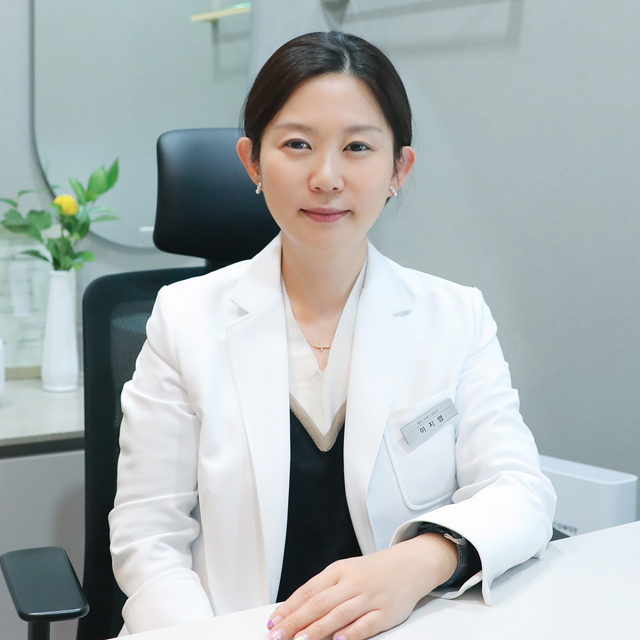
Dr. Lee Jiyoung
Board-certified Dermatologist
Assessment and treatment are carried out by Dr. Lee Jiyoung, Chief Director of SeoJeong Dermatology and a board-certified dermatologist in South Korea with more than 20 years of clinical experience. Her medical education and her dermatology specialist training were both completed in South Korea, and she holds an ECFMG certificate.
The consultation reviews skin concerns, allergies, medical history and treatment suitability before any product is selected — a step that matters more here than the gentleness of the treatment suggests, because reactions to skincare ingredients are the main risk involved. Where the underlying issue is a diagnosed skin condition rather than skin quality, the appropriate route is the one described under Medical Skin Care.
Before establishing the clinic in April 2022, she was Director at Cheongdam Lee Ji-ham Dermatology Clinic, at B&C Dermatology Clinic's Gangnam branch, and at CU Cleanup Dermatology Clinic's Yeongdeungpo branch. She is a regular member of the Korean Dermatological Association, the Korean Association of Dermatologists, the Korean Academy of Anti-Aging Dermatology, the Korean Acne Society, and the Korean Atopic Dermatitis Association. SeoJeong Dermatology is a single-physician clinic, and a dedicated global coordinator supports international patients with English-language communication.
Treatment is carried out under the direction of Dr. Lee Jiyoung; this page does not claim that one specific doctor personally performs every session of this service.
Who Is a Good Candidate for Brightening, Hydration & Soothing Care?
This treatment may suit people concerned about:
Dry skin.
Dull-looking skin.
Uneven-looking skin tone.
Treatment may need to be postponed for:
Active skin infections.
Open wounds.
Relevant product allergies.
Sensitive skin is not a bar to treatment, but it does change what should be used. DermNet notes that people with sensitive skin associated with atopic dermatitis or rosacea often describe irritant reactions to moisturisers, such as burning and stinging, and gives a practical rule: if irritation is transient, the product can generally continue to be used, but it should be discontinued if contact dermatitis appears. That is the distinction a clinician is making when they ask how your skin reacted to something rather than simply whether it stung.
Patients commonly ask for this treatment to address dull-looking skin, dryness, uneven skin tone and discomfort, with the focus on improving hydration, enhancing the appearance of radiance, and supporting a smoother, refreshed appearance. Where uneven tone is a pigmentary condition rather than a surface appearance, the treatments under Pigmentation & Redness Treatment address a different problem and are assessed separately.
What to Expect: Procedure, Recovery, and Results Timeline
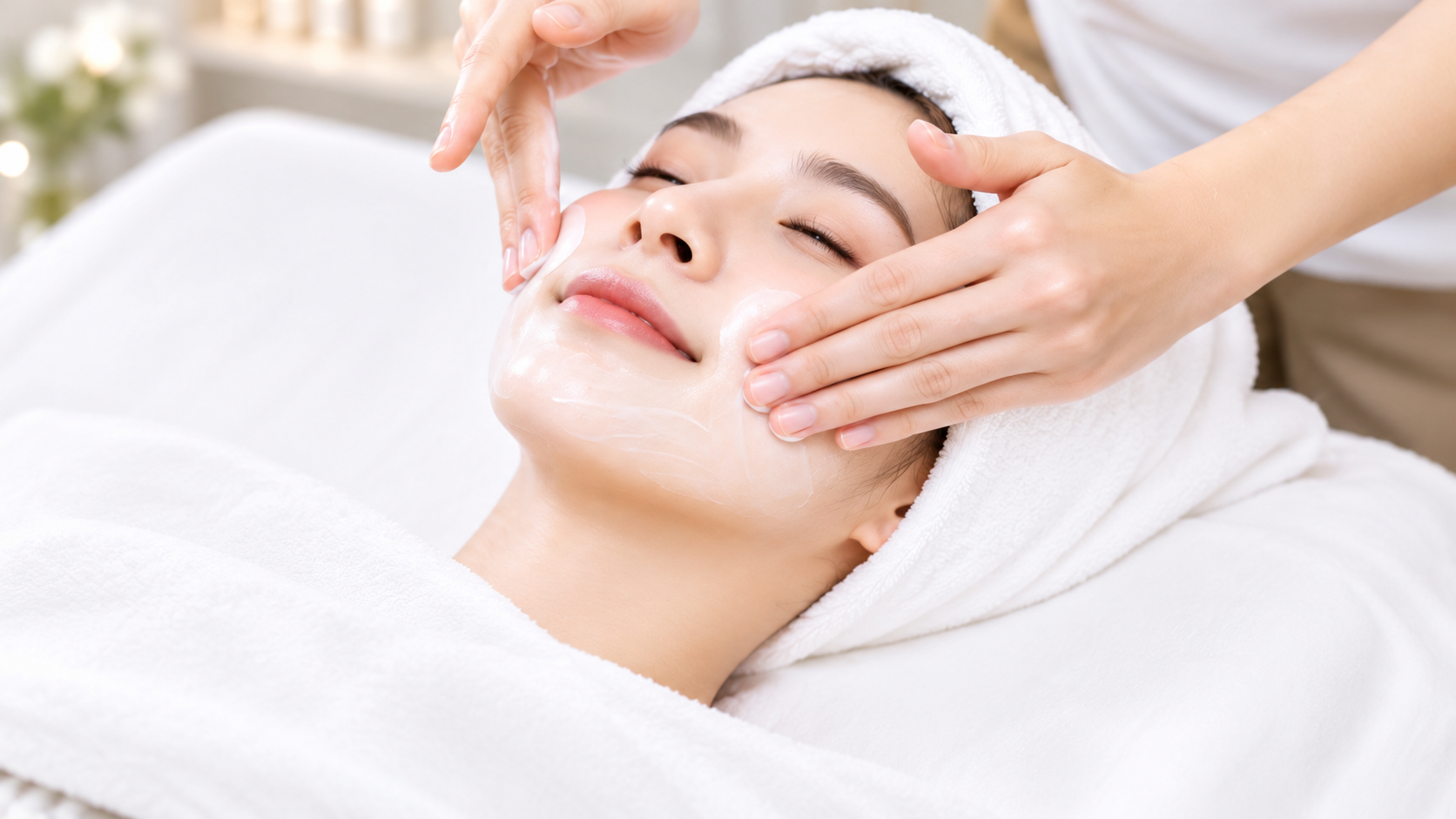
No anaesthesia is usually required. The session runs through a skin assessment, cleansing, application of appropriate products, and finishing care, with the specific protocol depending on what the assessment finds.
Stage | What happens |
|---|---|
Session length | Approximately 30 to 60 minutes |
Immediately | Skin may feel more comfortable and hydrated |
1 to 2 weeks | Skin typically returns to its usual condition |
1 to 4 weeks | Hydration and skin radiance may be noticeable |
Ongoing | Additional sessions depend on skin concerns and the protocol |
Results vary by treatment and skin type. Additional sessions depend on individual skin concerns and the treatment protocol rather than on a fixed course.
Before treatment, disclose allergies, medications, sensitive skin and recent cosmetic procedures. Afterwards, use gentle skin care, moisturise, apply sunscreen, and follow the provider's instructions.
That aftercare instruction is the part that carries most of the result, and the published detail on it is specific. DermNet advises that leave-on moisturising ointments, creams and lotions are most effective when applied immediately after bathing, as water that has entered the epidermis remains there, and that application frequency should match the severity of dryness — very dry skin may benefit from a greasy, occlusive moisturiser applied every couple of hours, while slightly dry skin may only need a light moisturiser at night. It also notes that the therapeutic effects of moisturisers are greatest in the first six hours after application, and that regular application two to three times a day may be needed to maximise benefits.
Which form of product suits which skin is also set out rather than left to preference. DermNet orders moisturising products from most to least occlusive — ointments, creams, lotions, then oils — and describes ointments as best for dry, thick, scaly areas with a long-lasting protective effect, though some patients find them too greasy on visible areas; creams as suitable for broad application, lighter and more quickly absorbed but needing more frequent application; and lotions as often used for hairy areas such as the scalp and for mild dryness elsewhere.
One further point from the same source changes how people shop: marketing claims about ingredients that reduce the signs of skin ageing can be misleading, and large molecules such as peptides and collagen cannot penetrate through the stratum corneum.
Combining Brightening, Hydration & Soothing Care with Other Treatments
This treatment may be combined with moisturising facials, gentle exfoliation, or other skin-care treatments depending on individual skin concerns and suitability. The documented alternatives are moisturising facials, gentle brightening skin care, or dermatologist-directed pigmentation treatment.
Gentle exfoliation is the combination that needs the most judgement, because exfoliating and soothing pull in opposite directions when the skin is already irritated. Where exfoliation is genuinely indicated, it is covered under Pore & Skin Texture Treatment, and the interval between it and a soothing protocol is set clinically.
Home routine is the other half of any combination here. DermNet advises that soap cleansers and shower gels should be used sparingly or not at all to prevent skin dryness, that moisturising soap substitutes are a good alternative for people with dry or sensitive skin, and that combinations of products — soap substitutes, bath oils and leave-on products — are often used together.
Safety, Precision, and Clinic Standards
Possible side effects are redness, irritation, stinging, itching, or allergic reactions.
Those are ingredient reactions rather than procedural injuries, and the published guidance on them is correspondingly product-focused. DermNet advises discontinuing use if allergic contact dermatitis develops to a particular emollient or moisturiser, and notes that suspected allergic contact dermatitis to particular preservatives, fragrances or vehicles can be investigated by patch testing. It explains why preservatives are there in the first place — creams and lotions are prone to microbial contamination, and preservatives such as parabens, formaldehyde-releasers and isothiazolinones are added to improve shelf life — and notes that they can lead to allergic contact dermatitis in sensitised individuals.
A second effect is relevant to anyone whose skin is both dry and acne-prone: occlusive emollients can cause or aggravate acne, perioral dermatitis, folliculitis and boils. The right product for dryness is not automatically the right product for a face that breaks out, which is one of the reasons the selection is made at assessment.
The NHS states that all cosmetic procedures carry some risk, whether surgical or non-surgical, and that they can lead to serious complications if not done correctly. Its advice is to choose a reputable, safe and qualified practitioner trained and experienced in the procedure you are having, and to ask about the procedure, the products used, and what could go wrong.
At SeoJeong Dermatology, treatment planning is carried out by a Korean board-certified dermatologist, each patient receives an individual skin assessment to select treatments suited to their needs, and consultation precedes the selection of any procedure. The clinic is a Registered Medical Institution for Attracting Foreign Patients, certified by the Ministry of Health and Welfare in compliance with the Medical Overseas Expansion and Foreign Patients Attraction Act; its business registration number is 342-17-01916.
NHS guidance on having cosmetic treatment abroad advises finding out what happens if there are complications, where follow-up appointments will be, and how easily you could travel back to the destination where you were treated. It notes that overseas clinics may not provide follow-up treatment to the same standard, and advises asking whether the practitioner speaks a language you understand, since they need to be able to explain the procedure and understand your concerns.
The Bottom Line
The treatment targets dullness, dryness, uneven-looking tone and discomfort.
A session runs 30 to 60 minutes and usually needs no anaesthesia.
Hydration and radiance may be noticeable over one to four weeks.
The main risks are ingredient reactions, not procedural injury.
What you use at home between sessions carries much of the result.
Frequently Asked Questions
What does this treatment actually do?
It uses cleansing, hydrating, brightening and soothing products — with the clinic's soothing protocol using OMEGA LIGHT, Petit Lux LED, LDM and Ionzyme — to improve the appearance of dullness and dryness and to support skin comfort.
How soon will I see a difference?
Skin may feel more hydrated immediately. Hydration and the appearance of radiance may be noticeable within one to four weeks, varying by treatment and skin type.
Is it painful?
No anaesthesia is usually required. Mild stinging or itching is possible, particularly if the skin is already irritated.
My skin is sensitive — is that a problem?
Not necessarily. Transient irritation from a product is generally tolerable, but a product should be stopped if contact dermatitis develops, which is why allergies and reactions are reviewed beforehand.
Will it treat pigmentation?
It addresses the appearance of uneven tone. A pigmentary condition is a different problem and is assessed separately.
What should I do at home between sessions?
Use gentle skin care, moisturise, and apply sunscreen. Moisturiser works best applied immediately after bathing, and two to three applications a day may be needed for very dry skin.
Do expensive anti-ageing ingredients help?
Be cautious. Marketing claims for ingredients that reduce signs of ageing can be misleading, and large molecules such as peptides and collagen cannot penetrate the outer layer of skin.
Can I have the consultation in English?
Yes. International patients receive consultations in English at SeoJeong Dermatology, supported by a dedicated global coordinator who handles English-language communication and consultation arrangements.
Book a Consultation at SeoJeong Dermatology
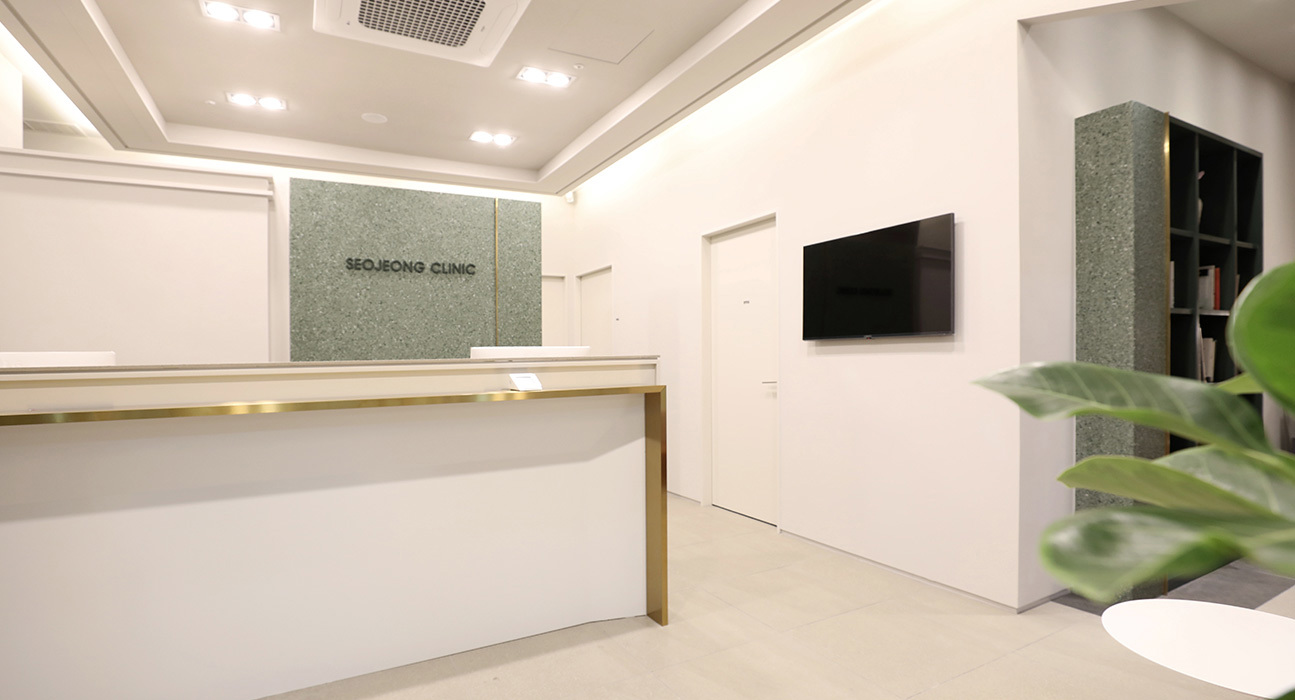
The products used are chosen from what the skin assessment finds, which is the difference between this and a fixed facial. SeoJeong Dermatology is at B-123, Lobby Floor, Acro Vista Arcade, 188 Seochojungang-ro, Seocho-gu, Seoul, South Korea. Opening hours are Monday and Thursday 09:30–19:30, Tuesday and Friday 09:30–18:30, and Saturday 09:30–15:00, with a lunch break from 12:30 to 13:30 Monday to Friday; the clinic is closed on Wednesday and Sunday. To arrange a consultation, use the contact page, call +82-2-533-9300, or email info@seojeongclinic.com.
Incheon International Airport is roughly 11 to 13 hours' non-stop flight from the US West Coast and 14 to 16 hours from the East Coast, with departure hubs including Los Angeles, San Francisco, Seattle, New York, Chicago, and Atlanta; Seocho-gu is reached from Incheon by airport limousine, taxi, or public transport. Arriving at least one day before the appointment allows time for travel recovery and the consultation. Korea Standard Time is UTC+9. US citizens are currently exempt from K-ETA only until 31 December 2026, which may change from 1 January 2027, and a digital e-Arrival Card has been mandatory for every entry since 1 January 2026.
Disclaimer
This page is for general information only and is not a substitute for individual medical advice, diagnosis, or treatment. Outcomes vary between individuals, and no specific result is guaranteed. Please consult a qualified medical professional about your own circumstances.
Sources & Further Reading
DermNet — Emollients and moisturisers — what moisturisers and emollients do, their ingredient classes, how and when to apply them, their benefits, and their side effects including irritant and allergic reactions
NHS — Before you have a cosmetic procedure — risks of surgical and non-surgical procedures, and choosing a practitioner
NHS — Cosmetic surgery abroad — complications, follow-up and language when treated outside your home country
Other Services
Explore additional treatments offered by our specialists.

Acne Care & Extraction
Acne care and extraction in Seoul is a non-surgical skin-care service addressing clogged pores, blackheads, whiteheads and selected acne lesions.
Learn More
3DEEP Needle RF
3DEEP Needle RF in Seoul is a radiofrequency-based treatment that delivers energy into targeted skin layers using a specialised device.
Learn More
Acne Laser & Light Therapy
Acne laser and light therapy in Seoul uses selected laser or light-based devices to help manage certain types of acne.
Learn More