Personalized Medical Care & Dedicated International Patient Concierge


Specialty Overview
Medical Dermatology
Medical dermatology focuses on diagnosing, treating, and managing skin, hair, and nail conditions.
Schedule a ConsultationMedical Dermatology

Medically reviewed by Dr. Lee Jiyoung, Board-Certified Dermatologist
Medical dermatology focuses on diagnosing, treating, and managing skin, hair, and nail conditions. At SeoJeong Dermatology in Seocho-gu, Seoul, it covers consultations, clinical skin examinations, prescription medications, topical treatments, and selected in-clinic procedures, with treatment tailored to the diagnosis, symptoms, skin type, and medical history of the individual patient.
What Is Medical Dermatology?
Medical dermatology is the diagnostic side of the specialty: working out what a skin, hair, or nail problem actually is, and then treating it, as distinct from improving the appearance of skin that is already healthy.
Documented conditions include acne, rosacea, eczema, psoriasis, dermatitis, skin infections, pigmentation disorders, and certain hair and nail concerns.
Diagnosis may draw on skin scrapings, swabs, dermoscopy, blood tests, or a skin biopsy.
An initial consultation commonly takes approximately 15 to 30 minutes; complex cases may take longer.
Treatment may be topical, oral, procedural, or a combination, and chronic conditions may need long-term management.
Complete or permanent clearance cannot be guaranteed.
Cosmetic treatments are not substitutes for medical evaluation when symptoms suggest an underlying skin disease, and that is the line between this category and aesthetic work. Where a concern turns out to be cosmetic rather than medical, Medical Skin Care is the programme that addresses it, and where active breakouts are the problem, Acne Treatment is.
Some conditions resolve after a treatment course. Others — psoriasis and eczema among them — are managed rather than cured, and the measure of success is the frequency and severity of flare-ups rather than a single endpoint.
Who Performs Medical Dermatology at SeoJeong Dermatology
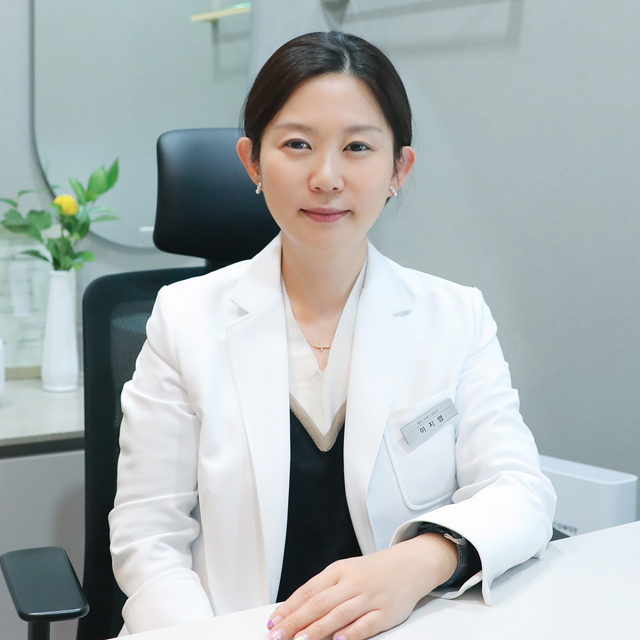
Dr. Lee Jiyoung
Board-certified Dermatologist
Assessment and treatment are carried out by Dr. Lee Jiyoung, Chief Director of SeoJeong Dermatology and a board-certified dermatologist in South Korea with more than 20 years of clinical experience. Her medical education and her dermatology specialist training were both completed in South Korea, and she holds an ECFMG certificate.
Her memberships are relevant to this category in particular. She is a regular member of the Korean Dermatological Association, the Korean Association of Dermatologists, the Korean Academy of Anti-Aging Dermatology, the Korean Acne Society, and the Korean Atopic Dermatitis Association — two of which are societies for the specific inflammatory conditions this category treats.
Before establishing the clinic in April 2022, she was Director at Cheongdam Lee Ji-ham Dermatology Clinic, at B&C Dermatology Clinic's Gangnam branch, and at CU Cleanup Dermatology Clinic's Yeongdeungpo branch. SeoJeong Dermatology operates as a single-physician clinic, which in a diagnostic category means the clinician who examines the skin is the one who interprets the test and adjusts the treatment. A dedicated global coordinator supports international patients with English-language communication.
Medical Dermatology Options Available
Service | What it covers |
|---|---|
Evaluation and management of conditions of the skin, scalp, hair and nails: itching, rashes, inflammation, scaling, acne, pigment changes, suspected fungal infections, warts, and scalp or hair concerns | |
Controlled freezing, commonly with liquid nitrogen, for confirmed warts and selected lesions such as corns | |
A small skin sample taken for laboratory examination; skin prick, intradermal, or patch testing to identify suspected allergens |
Documented diagnostic equipment includes a dermatoscope, a Wood's lamp, skin examination tools, digital skin imaging, and equipment for collecting skin samples and for fungal testing.
Cryotherapy is the procedure on that list patients most often arrive already expecting. DermNet New Zealand describes it as a minimally invasive treatment that freezes skin surface lesions using an extremely cold cryogen, with liquid nitrogen the most common and effective in clinical use at −196 °C, and lists viral warts, seborrhoeic keratoses, molluscum contagiosum and skin tags among the benign lesions it treats. DermNet notes that clearance rates for warts vary with the degree of hyperkeratosis and the size of the wart, with an overall cure rate reported between 39% and 84% at three months, and that several treatment sessions may be needed. The clinic's interval between wart sessions, commonly two to four weeks, sits inside that picture.
DermNet also lists circumstances in which cryotherapy should not be used, and two of them explain why the examination comes first: undiagnosed skin lesions, and lesions which require tissue pathology. Freezing a lesion destroys the tissue that would have answered the question of what it was.
Who Is a Good Candidate for Medical Dermatology?
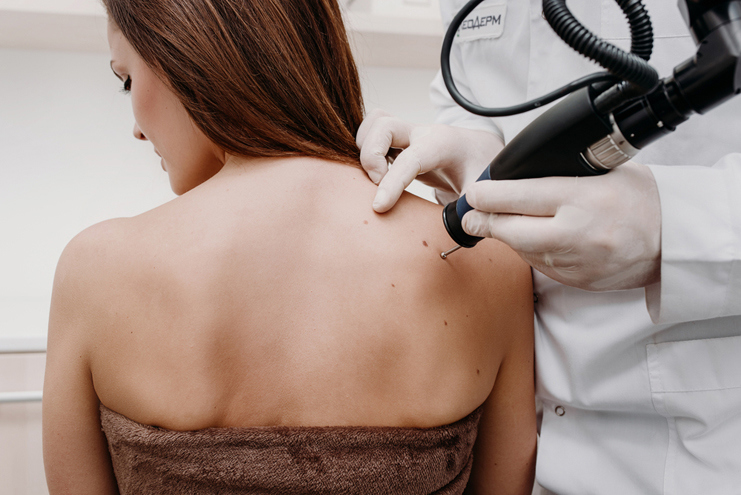
People with persistent or recurring skin, hair, or nail concerns.
People with acne, eczema, dermatitis, rosacea, psoriasis, suspected skin infections, or pigmentation concerns.
People with unexplained skin changes.
People who need a professional diagnosis, prescription treatment, or ongoing management of a chronic condition.
Some situations call for urgent assessment rather than a routine appointment:
Severe allergic reactions.
Rapidly spreading infections.
High fever associated with a skin condition.
Rapidly changing skin lesions.
Certain medications or in-clinic procedures may also be unsuitable during pregnancy, breastfeeding, active infection, or particular medical conditions. For cryotherapy specifically, poor circulation, reduced sensation, impaired wound healing, or an uncertain diagnosis all call for medical assessment before treatment.
Why patients from the United States ask about this treatment
Patients from the United States may seek medical dermatology services for persistent acne, inflammatory skin conditions, uneven pigmentation, redness, itching, rashes, infections, and other concerns affecting skin health or daily comfort. Some seek specialist assessment when symptoms persist despite over-the-counter products or previous treatments. One of the questions they ask most often is which medical dermatology services are available for conditions such as eczema, dermatitis, and hives.
International patients may also value access to specialist consultations, diagnostic assessments, and individualised treatment plans during a visit. The recorded trust concerns for this group are relevant here: verifying the dermatologist's board certification and clinical experience, understanding risks and contraindications, access to accurate English-language explanations, consent forms and aftercare instructions, and knowing how follow-up concerns will be handled after returning home.
That last point deserves care in a diagnostic category, because the result of a test may arrive after the visit has ended. Patch testing in particular runs across several days, and biopsy results come back after the sample has been examined.
Consultation and assessment
The consultation begins with a review of symptoms, when they started, previous treatments, current medications, allergies, and relevant medical history. The dermatologist examines the affected skin, hair, or nails and evaluates the appearance, distribution, and severity of the condition. Depending on the findings, additional investigations may be recommended. The clinician then explains the diagnosis, the treatment options, the expected response, the potential risks, and the follow-up required.
Provide an accurate medical history, list current medications and supplements, and disclose known allergies and previous reactions to skin treatments. Mention pregnancy, breastfeeding, immune-related conditions, and any active infection. Before an in-clinic procedure, follow the clinic's instructions on skincare products, sun exposure, shaving, and medication use, and do not stop prescription medication without medical advice.
What to Expect: Procedure, Recovery, and Results Timeline
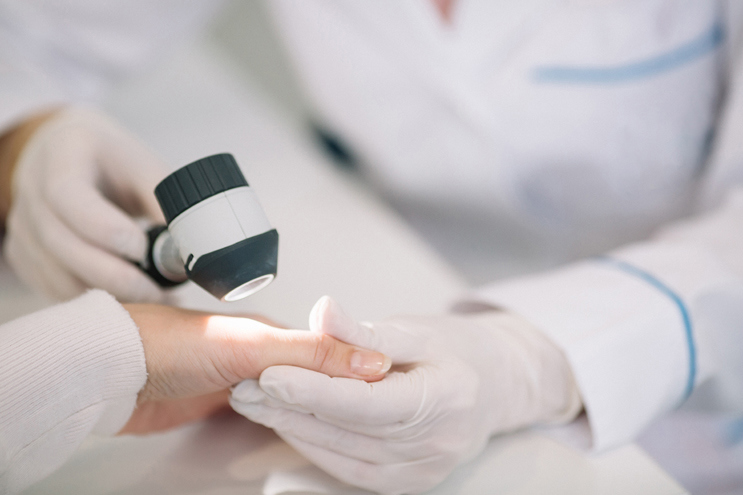
History. Symptoms, medical history, current medications, allergies, and previous treatments are reviewed.
Examination. The affected skin, hair, or nails are examined and the severity assessed.
Tests, where needed. Skin scrapings, swabs, dermoscopy, blood tests, or a skin biopsy may be recommended.
Diagnosis and plan. The diagnosis is explained and an individualised plan recommended.
Treatment. Topical medication, oral medication, skincare adjustments, or an in-clinic procedure.
Instructions. Medication use, skincare, aftercare, possible side effects, and warning signs to watch for.
Follow-up. Arranged when necessary to monitor progress and adjust the plan.
Most consultations and treatments do not require anesthesia. Local anesthesia may be used for procedures such as a skin biopsy or lesion removal. Mild discomfort, stinging, or burning may occur during certain treatments.
Stage | What to expect |
|---|---|
Initial consultation | Approximately 15–30 minutes |
Routine consultation | No recovery period |
Mild irritation after topical treatment or a minor procedure | Improves within 1–3 days |
Biopsy or more extensive intervention | 1–2 weeks or longer to heal |
Wart cryotherapy, days 1–3 | Mild pain, redness, swelling, or a blister may develop |
Wart cryotherapy, days 4–7 | Discomfort usually improves; the blister may dry or form a scab |
Wart cryotherapy sessions | Freezing takes under a minute; sessions commonly 2–4 weeks apart |
Allergy patch testing | Patches worn about 48 hours, with readings over days 4–7, usually across 3 visits |
Initial symptom improvement | A few days to 2 weeks for some conditions |
Chronic or inflammatory conditions | 4–12 weeks or longer for meaningful improvement |
Stay in Korea | 1–2 days for a routine consultation; longer if tests or procedures are needed |
DermNet describes a skin biopsy as the removal of a sample of skin, usually under a local anaesthetic injection that stings transiently, with a suture or dressing applied afterwards; the additional information it provides can identify diagnostic clues invisible to the naked eye. It records that the punch biopsy is generally the most useful type, quick to perform and producing only a small wound while giving a full-thickness sample, and that a 4 mm punch is usually sufficient for most inflammatory skin diseases.
Before your treatment
Avoid introducing new or irritating skincare products before the appointment, and follow the clinic's instructions on exfoliants, retinoids, and sun exposure. Inform the dermatologist about all medications, supplements, allergies, and existing skin conditions. Note that certain medications and extensive skin disease can make allergy skin testing unsuitable or less reliable, in which case blood testing may be recommended instead.
After your treatment
Follow the prescribed plan and use medications only as directed. Gentle cleansing, appropriate moisturization, and sun protection may be recommended to support the skin barrier. Avoid picking, scratching, or irritating affected areas, and follow wound-care instructions after any procedure. Increasing pain, spreading redness, pus, fever, severe swelling, or signs of an allergic reaction warrant prompt medical attention.
Combining Medical Dermatology with Other Treatments
Combination treatments may include topical or oral medications alongside in-clinic procedures, prescription skincare alongside supportive skin-barrier care, or medical acne treatment followed by acne-scar treatment once active acne is controlled.
That third example is the pattern worth noticing, because it is a sequence rather than a combination: the medical problem is brought under control first, and the aesthetic consequence is addressed afterwards. Attempting both at once tends to irritate skin that is already inflamed, and makes it harder to tell which treatment produced which effect.
Safety, Precision, and Clinic Standards
Possible risks include redness, dryness, irritation, itching, peeling, or temporary discomfort. Certain medications may cause allergic reactions or other medication-specific side effects, while in-clinic procedures may carry risks of bleeding, infection, scarring, or changes in skin pigmentation.
Cryotherapy has a documented list of its own: pain, redness, blistering, swelling, temporary pigment changes, and occasionally scarring or nerve damage. DermNet adds that secondary wound infection can present as increased pain, swelling, thick yellow blister fluid, purulent discharge, or redness around the treated area, and lists permanent hypopigmentation among the possible complications. Biopsy carries temporary pain, bleeding, infection, scarring, and pigment changes; allergy testing carries temporary itching, redness, swelling, or irritation, with severe allergic reactions rare but possible, which is why trained staff and appropriate safety procedures matter for that test in particular.
At SeoJeong Dermatology, treatment planning is carried out by a Korean board-certified dermatologist, each patient receives an individual skin assessment to select treatments suited to their needs, and consultation precedes the selection of any procedure. The clinic is a Registered Medical Institution for Attracting Foreign Patients, certified by the Ministry of Health and Welfare in compliance with the Medical Overseas Expansion and Foreign Patients Attraction Act; its business registration number is 342-17-01916. Treatment takes place in private consultation and treatment rooms offering one-to-one care.
The NHS states that all cosmetic procedures carry some risk, whether surgical or non-surgical, and that they can lead to serious complications if not done correctly. Its advice is to choose a reputable, safe and qualified practitioner trained and experienced in the procedure you are having, and to ask about the procedure, the products used, and what could go wrong.
If you are travelling for treatment
NHS guidance on having cosmetic treatment abroad advises finding out what happens if there are complications, where follow-up appointments will be, and how easily you could travel back to the destination where you were treated. It notes that overseas clinics may not provide follow-up treatment to the same standard, and advises asking whether the practitioner speaks a language you understand, since they need to be able to explain the procedure and understand your concerns.
Incheon International Airport is roughly 11 to 13 hours' non-stop flight from the US West Coast and 14 to 16 hours from the East Coast, with departure hubs including Los Angeles, San Francisco, Seattle, New York, Chicago, and Atlanta; Seocho-gu is reached from Incheon by airport limousine, taxi, or public transport. Arriving at least one day before the appointment allows time for travel recovery and the consultation. Korea Standard Time is UTC+9. US citizens are currently exempt from K-ETA only until 31 December 2026, which may change from 1 January 2027, and a digital e-Arrival Card has been mandatory for every entry since 1 January 2026. Where a test is involved, ask at the consultation how and when the result will reach you once you are home.
The Bottom Line
This category diagnoses and treats skin, hair, and nail conditions, rather than treating the appearance of healthy skin.
Diagnosis may involve skin scrapings, swabs, dermoscopy, blood tests, or a biopsy; a lesion requiring pathology should not be frozen first.
Wart cryotherapy takes under a minute per application, commonly needs more than one visit two to four weeks apart, and recurrence is possible.
Some conditions resolve with a course of treatment; chronic conditions such as psoriasis and eczema need ongoing management.
Complete or permanent clearance cannot be guaranteed.
Frequently Asked Questions
Who is a good candidate?
Anyone with persistent or recurring skin, hair, or nail concerns — acne, eczema, dermatitis, rosacea, psoriasis, suspected infections, pigmentation concerns, or unexplained skin changes — and anyone who needs a professional diagnosis, prescription treatment, or ongoing management of a chronic condition.
Who should avoid or postpone treatment?
Severe allergic reactions, rapidly spreading infections, high fever associated with a skin condition, or rapidly changing skin lesions call for urgent medical assessment rather than a routine appointment. Some medications and procedures are unsuitable during pregnancy, breastfeeding, active infection, or particular medical conditions.
How long does it take?
An initial consultation commonly takes approximately 15 to 30 minutes, although complex cases require more time. A simple examination may be completed in one visit, while diagnostic tests, procedures, or treatment monitoring may require further appointments.
Is it painful?
Mild discomfort, stinging, or burning may occur during certain treatments. Most consultations and treatments require no anesthesia, though local anesthesia may be used for a biopsy or lesion removal.
What happens if I need a skin biopsy?
A small sample of skin is taken for laboratory examination, usually under local anaesthetic. The procedure itself takes roughly 10 to 30 minutes, the wound usually heals within 7 to 10 days, and the result is discussed at a later appointment or communicated afterwards.
What side effects should I expect?
Temporary redness, dryness, itching, irritation, peeling, or mild discomfort are the common ones. Medications may cause allergic or medication-specific reactions, and in-clinic procedures carry risks of bleeding, infection, scarring, or pigment changes.
How long should I stay in Korea, and when can I fly home?
For a routine consultation, one to two days is generally sufficient, and patients can usually fly home within one to two days provided they feel well. Additional days may be needed if diagnostic tests, procedures, or follow-up visits are required — patch testing in particular is spread over several visits.
Can I have the consultation in English?
Yes. International patients receive consultations in English at SeoJeong Dermatology, supported by a dedicated global coordinator who handles English-language communication and consultation arrangements.
Book a Consultation at SeoJeong Dermatology
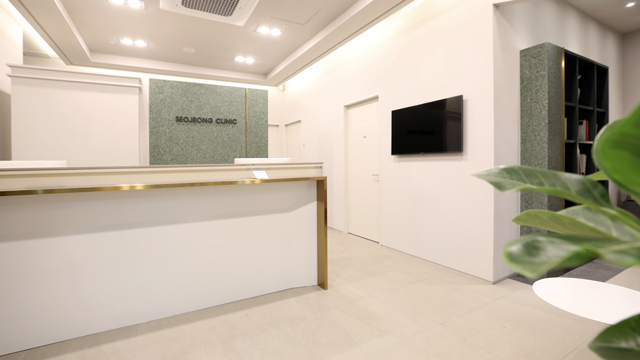
If a rash, an itch, a changing patch of skin, or a persistent scalp or nail problem has not settled, the first useful step is a diagnosis. SeoJeong Dermatology is at B-123, Lobby Floor, Acro Vista Arcade, 188 Seochojungang-ro, Seocho-gu, Seoul, South Korea. Opening hours are Monday and Thursday 09:30–19:30, Tuesday and Friday 09:30–18:30, and Saturday 09:30–15:00, with a lunch break from 12:30 to 13:30 Monday to Friday; the clinic is closed on Wednesday and Sunday. To arrange a consultation, call +82-2-533-9300 or email info@seojeongclinic.com.
Disclaimer
This page is for general information only and is not a substitute for individual medical advice, diagnosis, or treatment. Outcomes vary between individuals, and no specific result is guaranteed. Please consult a qualified medical professional about your own circumstances.
Sources & Further Reading
DermNet New Zealand — Cryotherapy: cryogens, wart clearance rates, circumstances in which it should not be used, and complications
DermNet — Biopsy of skin — why a biopsy is taken, biopsy types, and punch biopsy in inflammatory skin disease
NHS — Before you have a cosmetic procedure — risks and choosing a practitioner
NHS — Cosmetic surgery abroad — aftercare, follow-up and language when treated outside your home country
Related Services
Procedures available within our clinical departments.

Acne Care & Extraction
Acne care and extraction in Seoul is a non-surgical skin-care service addressing clogged pores, blackheads, whiteheads and selected acne lesions.
Learn More

3DEEP Needle RF
3DEEP Needle RF in Seoul is a radiofrequency-based treatment that delivers energy into targeted skin layers using a specialised device.
Learn More
Acne Laser & Light Therapy
Acne laser and light therapy in Seoul uses selected laser or light-based devices to help manage certain types of acne.
Learn More