Personalized Medical Care & Dedicated International Patient Concierge


Medical Dermatology · Needs Clinic Confirmation
General Skin Disease Treatment
General skin disease treatment in Seoul is the medical side of SeoJeong Dermatology's work in Seocho-gu: evaluating and managing conditions affecting the skin, scalp, hair and nails.
Schedule a ConsultationGeneral Skin Disease Treatment
Medically reviewed by Dr. Lee Jiyoung, Board-Certified Dermatologist
General skin disease treatment in Seoul is the medical side of SeoJeong Dermatology's work in Seocho-gu: evaluating and managing conditions affecting the skin, scalp, hair and nails. Treatment may include prescription medication, topical therapy, skin care guidance, procedures, or referral, depending on the diagnosis — which is to say the diagnosis comes first and the treatment follows from it.
What Is General Skin Disease Treatment?
This is a consultation-led service rather than a procedure, and the work that decides the outcome happens before anything is prescribed.
The scope covers the skin, scalp, hair and nails.
The clinician reviews symptoms, duration, medical history, medications, allergies, previous treatments and possible triggers.
Examination equipment may include a dermatoscope, Wood's lamp, and skin examination tools, with diagnostic equipment for skin scrapings, fungal testing or skin biopsy as needed.
An initial consultation typically takes 1 to 2 weeks to arrange.
Treatment often requires 1 to 4 visits over 1 to 8 weeks, depending on the diagnosis and plan.
The clinic's approved description sets the scope plainly: general skin disease treatment involves evaluating, diagnosing and managing a range of skin conditions, such as acne, eczema, dermatitis, fungal infections and rashes; treatment depends on the diagnosis and may include topical medications, oral medicines or other appropriate therapies; outcomes vary by condition and individual response, and some skin conditions may require ongoing management.
The conditions seen most often are the ordinary ones: acne, rosacea, eczema, psoriasis, dermatitis, skin infections, pigmentation disorders, and certain hair and nail concerns. Treatment is tailored to the diagnosis, symptoms, skin type and medical history, and what it can realistically achieve varies accordingly — some conditions can be resolved, while chronic conditions such as psoriasis or eczema may require long-term management, and complete or permanent clearance cannot be guaranteed.
Testing is what separates a diagnosis from a guess, and the tests available are more varied than most patients expect. DermNet notes that an experienced clinician can often diagnose a skin condition without investigations, but that skin swabs, scrapings and nail clippings, biopsies and blood samples are sent to the laboratory at times, and that investigations may also be used to monitor the effects of systemic treatments.
Who Performs General Skin Disease Treatment at SeoJeong Dermatology
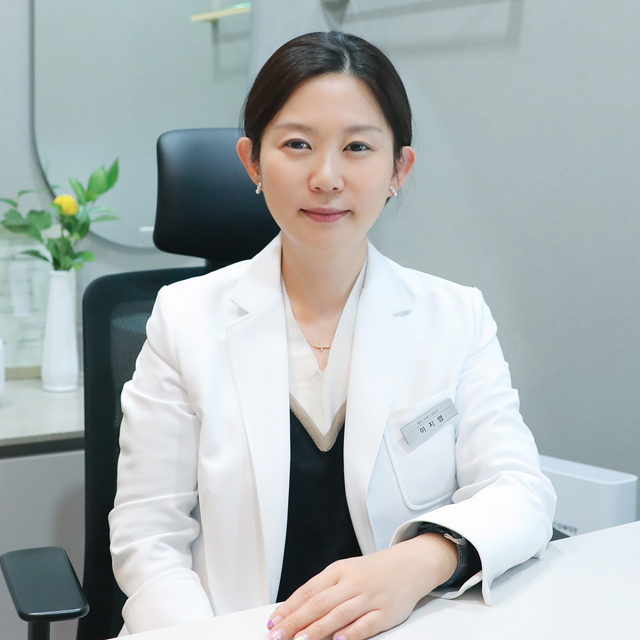
Dr. Lee Jiyoung
Board-certified Dermatologist
Assessment and treatment are carried out by Dr. Lee Jiyoung, Chief Director of SeoJeong Dermatology and a board-certified dermatologist in South Korea with more than 20 years of clinical experience. Her medical education and her dermatology specialist training were both completed in South Korea, and she holds an ECFMG certificate.
The consultation reviews symptoms and history, examines the affected skin, scalp or nails, determines whether testing is needed, and arrives at a diagnosis before options are discussed and treatment begins; follow-up is arranged where needed. The wider scope of the clinic's medical work is set out on the Medical Dermatology page.
Before establishing the clinic in April 2022, she was Director at Cheongdam Lee Ji-ham Dermatology Clinic, at B&C Dermatology Clinic's Gangnam branch, and at CU Cleanup Dermatology Clinic's Yeongdeungpo branch. She is a regular member of the Korean Dermatological Association, the Korean Association of Dermatologists, the Korean Academy of Anti-Aging Dermatology, the Korean Acne Society, and the Korean Atopic Dermatitis Association. SeoJeong Dermatology is a single-physician clinic, and a dedicated global coordinator supports international patients with English-language communication.
Treatment is carried out under the direction of Dr. Lee Jiyoung; this page does not claim that one specific doctor personally performs every session of this service.
Who Is a Good Candidate for General Skin Disease Treatment?
Medical evaluation suits people with:
Persistent itching.
Rashes, inflammation or scaling.
Acne.
Pigment changes.
Suspected fungal infections.
Warts.
Scalp and hair concerns.
Suitability for any particular treatment depends on the diagnosis. Patients with severe or rapidly worsening symptoms may need urgent or hospital-based care rather than a routine outpatient visit, and elective treatments may need to be postponed during active infection or when medical conditions make treatment unsafe.
Patients from the United States may seek this care for specialist evaluation of persistent skin conditions, individualised treatment planning, and access to different dermatological care options; reasons vary by diagnosis, treatment need and travel preference. Where acne specifically is the concern, the dedicated route is described under Acne Treatment, and where the issue proves to be skin quality rather than disease, the options are set out under Medical Skin Care.
What to Expect: Procedure, Recovery, and Results Timeline
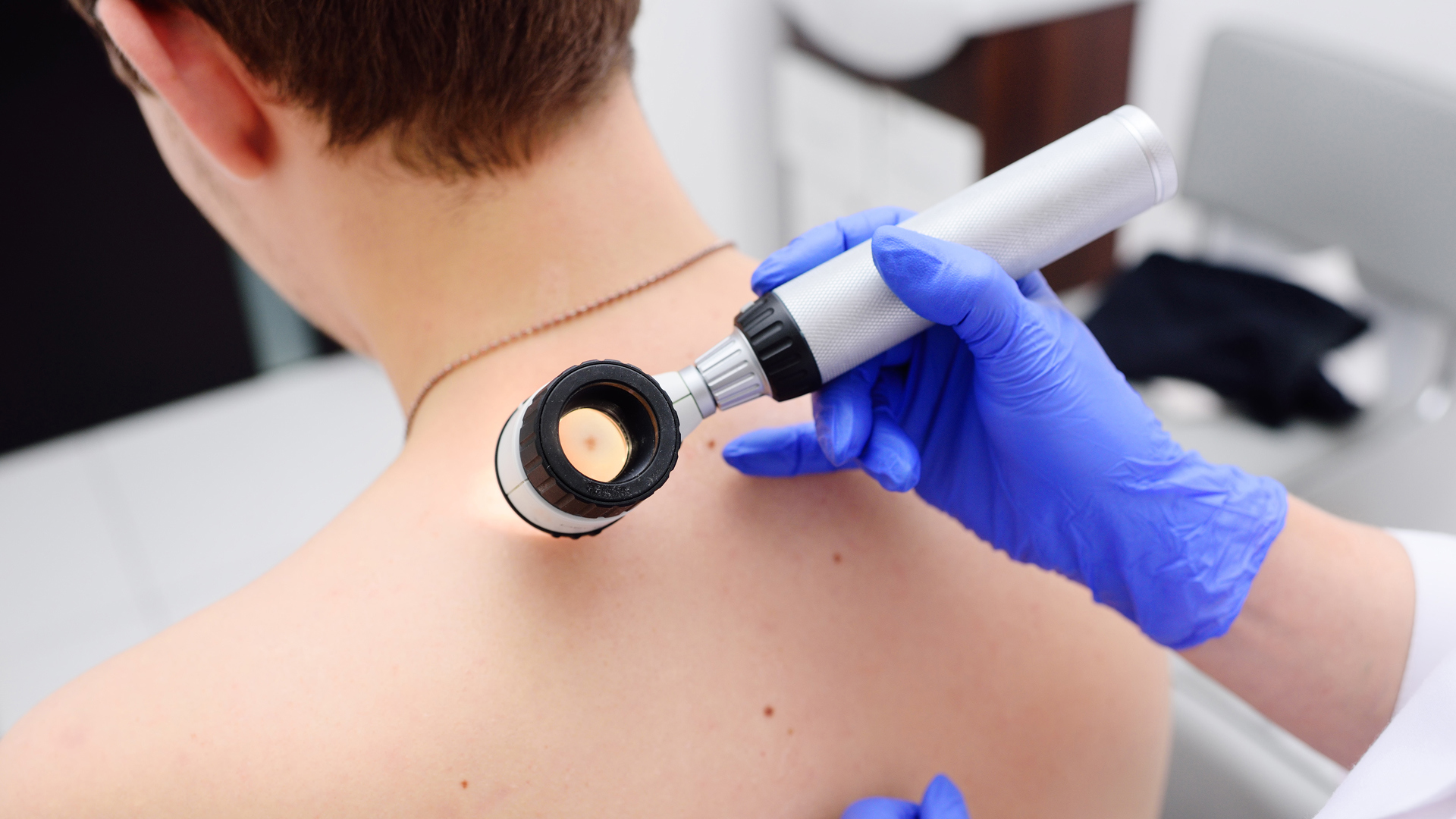
The visit follows six steps: discussing symptoms and medical history; examining the affected area; determining whether testing is needed; reviewing the diagnosis and suitable options; beginning the agreed treatment; and arranging follow-up if needed.
Most routine consultations and topical or oral medication treatments do not require anaesthesia. Some procedures may use topical or local anaesthesia, depending on the treatment and the area affected.
Stage | What happens |
|---|---|
Arranging the first visit | Typically 1 to 2 weeks |
Course of treatment | Often 1 to 4 visits over 1 to 8 weeks |
1 to 2 weeks | Mild skin conditions may improve |
1 to 4 weeks | Initial improvement may occur |
4 to 8 weeks | More persistent conditions may need this long |
Results and long-term control vary by condition and may require ongoing maintenance.
Where testing is involved, knowing the turnaround helps. DermNet reports that skin scrapings, nail clippings and extracted hair are treated with potassium hydroxide and examined by direct microscopy before being plated out for fungal culture, with an interim report describing hyphae, arthrospores or mycelia typical of a dermatophyte or yeast, and culture results reported about four weeks later. Standard skin or wound swabs are placed in transport medium for routine bacterial culture and, where appropriate, antibiotic sensitivities; viral transport medium is used to detect herpes simplex and herpes zoster by culture, immunofluorescence or PCR.
Bring a list of medications, allergies, previous treatments and relevant medical records, and tell the clinician about pregnancy, immune-system conditions and any history of medication reactions. Follow procedure-specific instructions where a procedure is planned.
Afterwards, follow the prescribed medication and wound-care instructions, use gentle skin care and sun protection where appropriate, and avoid picking or scratching affected areas. Contact a clinician if symptoms worsen or a suspected infection does not improve.
Combining General Skin Disease Treatment with Other Treatments
Treatment may combine medication, skin-care guidance and selected procedures when clinically appropriate. Acne management, for example, may involve medication and targeted procedures — but combinations are selected according to the diagnosis and skin condition rather than assembled as a package.
Depending on the condition, the documented alternatives are observation, topical treatment, oral medication, lifestyle or trigger management, office-based procedures, or referral to another specialist. These options are not interchangeable across diagnoses, which is the practical reason a diagnosis has to come first.
Two examination tools do useful work without any laboratory involved. DermNet describes Wood light examination, using long-wavelength UVA, as mainly used to investigate pigmentary disorders and chronic superficial skin infections such as pityriasis versicolor, where fluorescence supports a specific cause; and digital dermatoscopy as digital imaging of skin lesions under dermatoscopy, ideally accompanied by macroscopic and location images.
Safety, Precision, and Clinic Standards
Possible effects depend on the treatment and may include irritation, dryness, redness, allergic reactions, or medication-specific adverse effects. Procedures can also cause discomfort, pigment changes, burns, scarring or infection. Untreated skin infections may occasionally spread.
A small number of symptoms warrant prompt attention rather than a scheduled review: increasing pain, spreading redness, pus, fever, severe swelling, or signs of an allergic reaction. Prescribed restrictions should be followed until healing is complete, and prescription medications should not be stopped without medical advice.
Blood testing is sometimes part of managing a skin condition rather than an unrelated add-on, and knowing why makes the request less puzzling. DermNet notes that renal, hepatic, thyroid and iron tests may be evaluated in patients with generalised pruritus, vasculitis or systemic symptoms; that blood glucose and glycosylated haemoglobin detect and monitor diabetes, which may be relevant in infection or in skin diseases associated with metabolic syndrome; and that hormonal tests are occasionally arranged in females with acne, hirsutism and androgenetic alopecia if symptoms indicate they are warranted.
It also sets out what a blood count can suggest: neutrophilia is typical of infection but may accompany severe inflammatory disorders; eosinophilia is associated with atopic eczema, scabies and bullous disease; and lymphocytosis is associated with viral infections and certain bacterial infections. None of those is a diagnosis on its own, which is exactly why results are interpreted alongside the examination rather than instead of it.
The NHS states that all cosmetic procedures carry some risk, whether surgical or non-surgical, and that they can lead to serious complications if not done correctly. Its advice is to choose a reputable, safe and qualified practitioner trained and experienced in the procedure you are having, and to ask about the procedure, the products used, and what could go wrong.
At SeoJeong Dermatology, treatment planning is carried out by a Korean board-certified dermatologist, each patient receives an individual skin assessment to select treatments suited to their needs, and consultation precedes the selection of any procedure. The clinic is a Registered Medical Institution for Attracting Foreign Patients, certified by the Ministry of Health and Welfare in compliance with the Medical Overseas Expansion and Foreign Patients Attraction Act; its business registration number is 342-17-01916.
NHS guidance on having cosmetic treatment abroad advises finding out what happens if there are complications, where follow-up appointments will be, and how easily you could travel back to the destination where you were treated. It notes that overseas clinics may not provide follow-up treatment to the same standard, and advises asking whether the practitioner speaks a language you understand, since they need to be able to explain the procedure and understand your concerns.
The Bottom Line
The diagnosis decides the treatment; the options are not interchangeable across conditions.
Treatment often runs to 1 to 4 visits over 1 to 8 weeks.
Mild conditions may improve in 1 to 2 weeks; persistent ones may take 4 to 8.
Fungal culture results take about four weeks, so some answers arrive after the first visit.
Chronic conditions may need ongoing maintenance rather than a single course.
Frequently Asked Questions
What conditions does this cover?
Conditions affecting the skin, scalp, hair and nails — including acne, eczema, dermatitis, fungal infections and rashes.
Will I need tests?
Not always. An experienced clinician can often diagnose a skin condition without investigations, but scrapings, swabs, nail clippings, blood samples or a biopsy may be arranged where needed.
How long do fungal test results take?
Direct microscopy can give an interim report quickly, but culture results and the specific organisms identified are reported about four weeks later.
How quickly will my skin improve?
Mild conditions may improve within one to two weeks. Initial improvement generally occurs within one to four weeks, and more persistent conditions may require four to eight weeks of treatment.
Why would a skin problem need a blood test?
Because some skin symptoms relate to systemic conditions. Kidney, liver, thyroid, iron, glucose or hormonal tests may be arranged where the symptoms warrant them.
What is the Wood's lamp for?
It uses long-wavelength UVA and is mainly used to investigate pigmentary disorders and chronic superficial skin infections, where fluorescence supports a specific cause.
When should I seek urgent care instead?
If symptoms are severe or rapidly worsening. That may need urgent or hospital-based care rather than a routine outpatient visit.
Can I have the consultation in English?
Yes. International patients receive consultations in English at SeoJeong Dermatology, supported by a dedicated global coordinator who handles English-language communication and consultation arrangements.
Book a Consultation at SeoJeong Dermatology
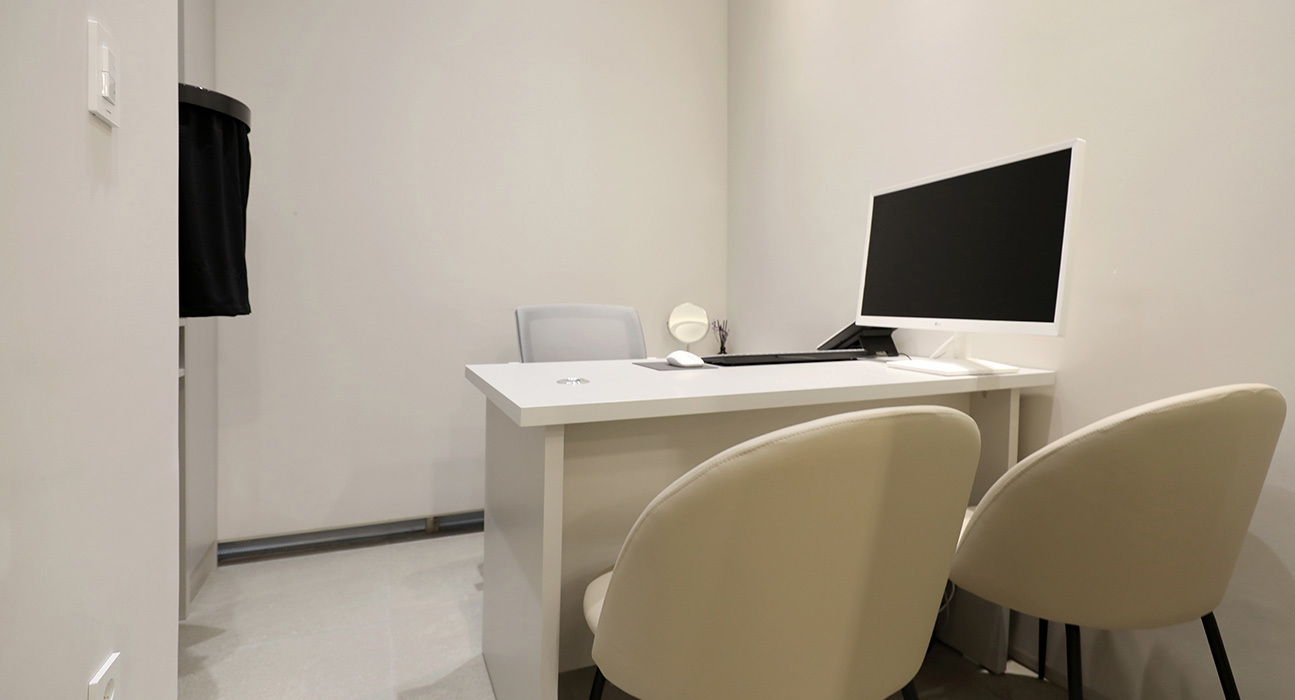
Bringing your medication list, previous treatments and any records makes the first visit considerably more productive than describing the rash alone. SeoJeong Dermatology is at B-123, Lobby Floor, Acro Vista Arcade, 188 Seochojungang-ro, Seocho-gu, Seoul, South Korea. Opening hours are Monday and Thursday 09:30–19:30, Tuesday and Friday 09:30–18:30, and Saturday 09:30–15:00, with a lunch break from 12:30 to 13:30 Monday to Friday; the clinic is closed on Wednesday and Sunday. To arrange a consultation, use the contact page or call +82-2-533-9300, or email info@seojeongclinic.com.
Incheon International Airport is roughly 11 to 13 hours' non-stop flight from the US West Coast and 14 to 16 hours from the East Coast, with departure hubs including Los Angeles, San Francisco, Seattle, New York, Chicago, and Atlanta; Seocho-gu is reached from Incheon by airport limousine, taxi, or public transport. Arriving at least one day before the appointment allows time for travel recovery and the consultation. Korea Standard Time is UTC+9. US citizens are currently exempt from K-ETA only until 31 December 2026, which may change from 1 January 2027, and a digital e-Arrival Card has been mandatory for every entry since 1 January 2026.
Disclaimer
This page is for general information only and is not a substitute for individual medical advice, diagnosis, or treatment. Outcomes vary between individuals, and no specific result is guaranteed. Please consult a qualified medical professional about your own circumstances.
Sources & Further Reading
DermNet — Dermatological investigations and tests — when investigations are used, microbiology and fungal testing turnaround, blood tests in skin disease, Wood light examination and digital dermatoscopy
NHS — Before you have a cosmetic procedure — risks of surgical and non-surgical procedures, and choosing a practitioner
NHS — Cosmetic surgery abroad — complications, follow-up and language when treated outside your home country
Other Services
Explore additional treatments offered by our specialists.

Wart & Corn Cryotherapy
Wart and corn cryotherapy in Seoul is a treatment at SeoJeong Dermatology in Seocho-gu that uses an extremely cold substance, usually liquid nitrogen, to destroy wart tissue.
Learn More

Thermage Skin Tightening
Thermage skin tightening in Seoul is a non-surgical treatment that uses radiofrequency energy to heat deeper skin tissue and support collagen remodeling.
Learn More
Re2O Skin Booster
Re2O skin booster in Seoul is a skin booster based on human-derived acellular dermal matrix, used in aesthetic treatments intended to improve skin texture and firmness.
Learn More