Personalized Medical Care & Dedicated International Patient Concierge


Specialty Overview
Acne Scar & Scar Treatment
Scar treatment is the targeted reduction of a scar's visibility — its depth, its raised profile, or its texture — using methods chosen for what that particular scar actually is, rather than a single procedure applied to every scar.
Schedule a ConsultationAcne Scar & Scar Treatment
Medically reviewed by Dr. Lee Jiyoung, Board-Certified Dermatologist
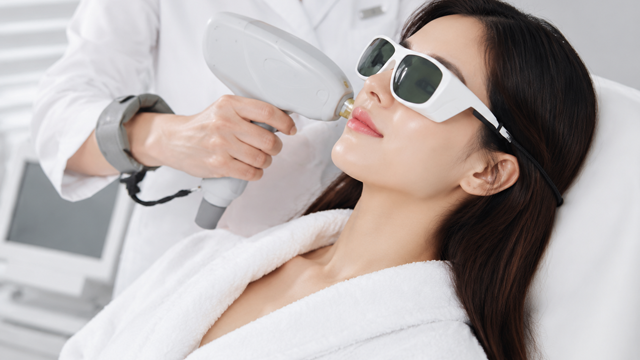
Acne scar and scar treatment aims to reduce the visibility of scars and improve skin texture. At SeoJeong Dermatology in Seocho-gu, Seoul, treatment may include laser resurfacing, scar-focused procedures, medication, or medical skincare, depending on scar type and skin condition as assessed by a board-certified dermatologist.
What Is Acne Scar & Scar Treatment?
Scar treatment is the targeted reduction of a scar's visibility — its depth, its raised profile, or its texture — using methods chosen for what that particular scar actually is, rather than a single procedure applied to every scar.
Depressed and raised scars are different problems and are treated differently.
The clinic treats scars with the Discovery Pico Series, used for scar and pore work, and a CO₂ laser.
Each session typically takes 30 to 60 minutes, and 3 to 6 sessions may be needed depending on scar severity and treatment type.
Pigmentation concerns may require a different approach from textural scars.
Some scars remain visible after treatment; the aim is to make scars less noticeable and to soften selected depressed or raised scars.
DermNet New Zealand describes why one page cannot promise one answer. The majority of acne scars are atrophic, and DermNet classifies them as ice-pick scars — the most common type, narrow, deeper than they are wide, V-shaped — boxcar scars, which are wider round or oval depressions with distinct edges, and rolling scars, which are wide with a sloping edge that can be smoothed out if stretched. Less commonly, acne scarring results in a hypertrophic or keloid scar. DermNet's stated position is that an individualised approach is required based on the size, depth, nature, and location of the scarring, the patient's baseline skin type, and their concerns and goals, and that more than one type of treatment can be used to correct scar colour, texture, and volume.
One sequencing point from the same source is worth stating plainly: active acne should be treated before scar management begins. If breakouts are still active, Acne Treatment comes first and scar work follows.
Who Performs Acne Scar & Scar Treatment at SeoJeong Dermatology
Dr. Lee Jiyoung
Board-certified Dermatologist
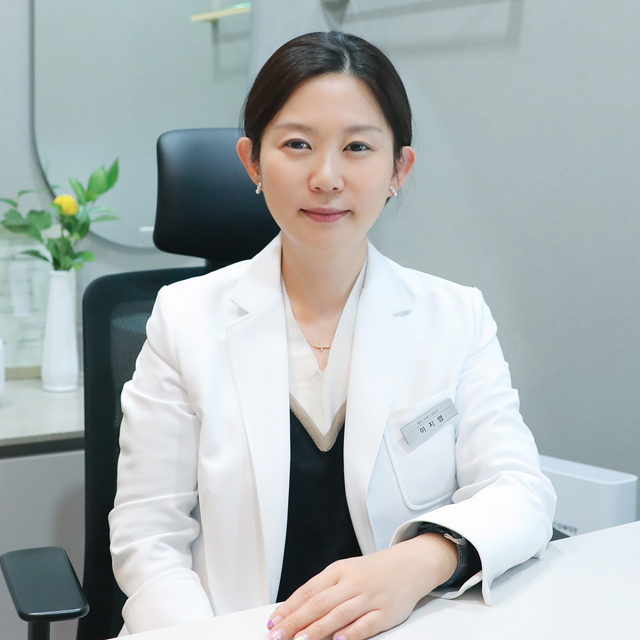
Assessment and treatment are carried out by Dr. Lee Jiyoung, Chief Director of SeoJeong Dermatology and a board-certified dermatologist in South Korea with more than 20 years of clinical experience. Her medical education and her dermatology specialist training were both completed in South Korea, and she holds an ECFMG certificate.
Scar is one of her listed areas of clinical focus. Her scar work uses subcision, scar injections, and needle-free jet delivery — three mechanically distinct approaches to three distinct kinds of scar — which is the practical reason the assessment is as specific as it is: the clinician assesses scar type, depth, location, skin tone, active acne, previous treatments, medical history, and the patient's goals before anything is selected.
Before establishing the clinic in April 2022, she was Director at Cheongdam Lee Ji-ham Dermatology Clinic, at B&C Dermatology Clinic's Gangnam branch, and at CU Cleanup Dermatology Clinic's Yeongdeungpo branch. She is a regular member of the Korean Dermatological Association, the Korean Association of Dermatologists, the Korean Academy of Anti-Aging Dermatology, the Korean Acne Society, and the Korean Atopic Dermatitis Association. SeoJeong Dermatology is a single-physician clinic, and a dedicated global coordinator supports international patients with English-language communication.
Acne Scar & Scar Treatment Options Available
Treatment | What it targets | Approach |
|---|---|---|
Depressed, tethered scars | A three-part dermal regeneration device that uses CO₂ gas to separate adhered tissue and form a pocket for a treatment substance | |
Raised, thickened, firm or itchy scars | Medication delivered directly into the scar tissue | |
Selected depressed scars and textural irregularities | Laser-generated pressure delivers a liquid formulation through a high-speed microjet, without a conventional needle | |
Laser resurfacing | Scar texture and surface irregularity | Discovery Pico Series and CO₂ laser |
Sessions run approximately 30 to 60 minutes for subcision and for the microjet treatment, and approximately 15 to 30 minutes for scar injections, depending on the number of injection sites.
Subcision is the one most worth understanding before the consultation, because its mechanism explains which scars it suits. DermNet describes it as a minor surgical procedure for depressed scars in which a needle's sharp edge is used to break the fibrotic strands tethering the scar to the underlying tissue; the release of those strands and the new collagen deposited during healing is what improves the scar's appearance. DermNet lists depressed distensile and depressed bound-down scars among its indications and specifically excludes deep ice-pick scars, and lists a history of hypertrophic or keloid scars, current or recent systemic oral retinoid use within twelve months, bleeding or clotting disorders, and active bacterial or viral infection among the circumstances in which subcision may not be suitable.
Wider alternatives depend on the scar: topical retinoids or salicylic acid for selected mild scars, chemical peels, laser resurfacing, microneedling, radiofrequency-based procedures, fillers for selected depressed scars, subcision, and scar-directed surgery. Raised scars and keloids may require injections, medication, laser treatment, or other targeted management.
Who Is a Good Candidate for Acne Scar & Scar Treatment?
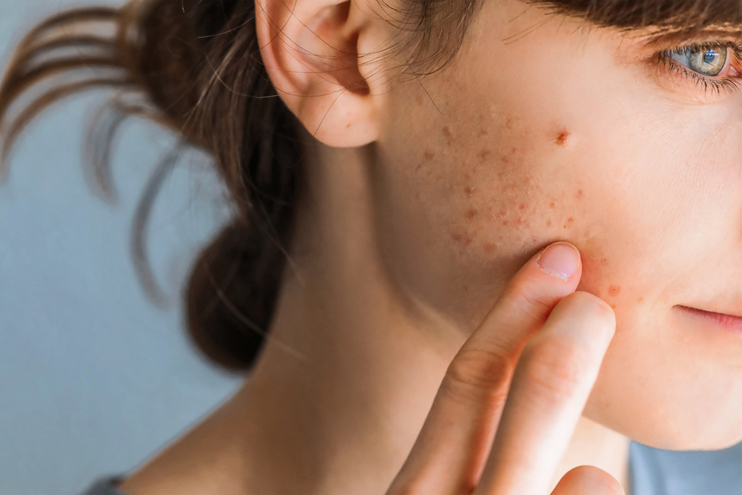
People with stable acne and visible acne scars or other scars.
People who understand that improvement may be gradual or partial.
Adults with raised, thickened, firm, or itchy scars, including some hypertrophic scars and keloids.
Treatment may need to be postponed, or requires individual assessment first, for:
People with active skin infections, uncontrolled acne, or irritated skin.
People with a tendency to develop keloids.
People with impaired healing or bleeding disorders, or relevant medication use.
People who are pregnant or breastfeeding, where procedure selection may be affected.
Raised scars are worth separating out here. DermNet describes a keloid as a firm, smooth, hard growth resulting from excessive scar formation that extends beyond the original wound margin, while a hypertrophic scar stays limited to the area of damaged skin; it notes that hypertrophic scars are more likely to regress and resolve, whereas keloids tend to persist and prove resistant to treatment. It also records that keloid scars are more frequent in people with Fitzpatrick skin types III to VI, and that surgical excision of a keloid may result in a new keloid even larger than the original. Among the measures DermNet lists as helpful in at least some patients are intralesional corticosteroid injection repeated every few weeks, silicone gel and scar-reduction patches, pressure dressings, cryotherapy, and subcision — which is why the injection route, rather than removal, is the usual starting point for a raised scar.
Why patients from the United States ask about this treatment
Patients from the United States may seek treatment to improve the appearance of depressed acne scars, uneven skin texture, raised scars, and discoloration. In choosing between methods they usually weigh the improvement they can expect, the downtime, the cost, and what follow-up will be needed. What brings most of them in is the hope of scar treatment that works, and making depressed scars less visible through subcision is one of the results they are most pleased with.
The questions that make the consultation a long one are the same every time: how many sessions will be needed and what result to expect, how much recovery time to allow and how long to stay in Korea, how safe the treatment is and what side effects to expect, and what aftercare is available after returning home. Recovery is the question that shapes travel planning here: redness and swelling usually settle within one to two weeks, while skin healing after more intensive scar treatment can take two to six weeks.
Consultation and assessment
The clinician assesses scar type, depth, location, skin tone, active acne, previous treatments, medical history, and the patient's goals. The consultation should cover expected improvement, possible side effects, downtime, costs, and the number of sessions that may be required.
Disclose medications, allergies, and previous skin treatments, along with any history of keloids, abnormal scarring, bleeding disorders, anticoagulant use, or delayed healing. Each of those changes which of the available methods is appropriate, and two of them — keloid tendency and recent oral retinoid use — rule out specific procedures outright.
What to Expect: Procedure, Recovery, and Results Timeline
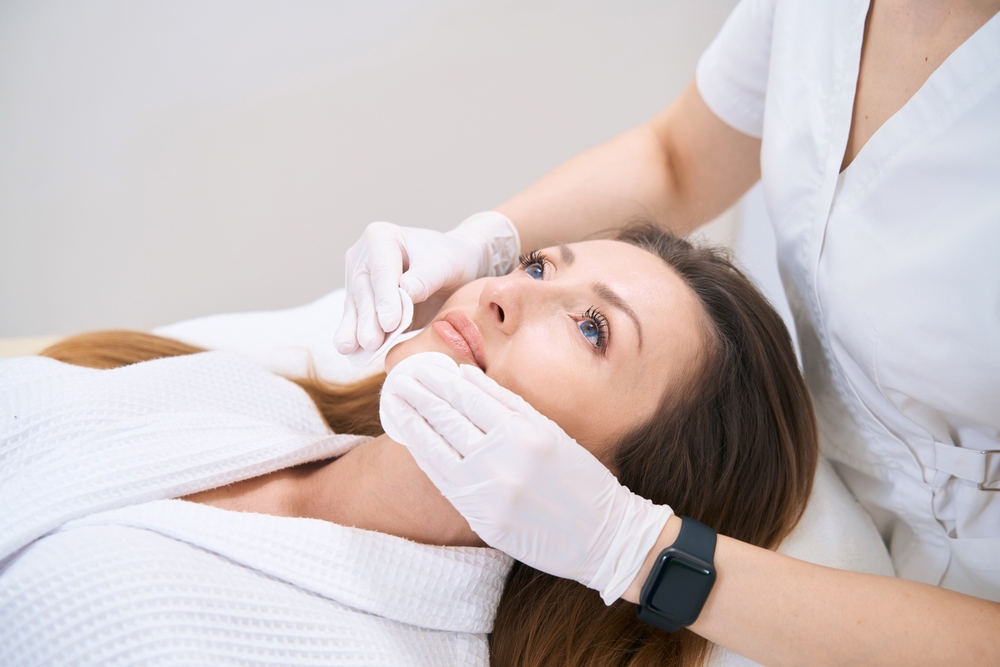
Skin assessment and treatment planning. Scar type and depth are identified and the approach is chosen.
Cleansing and preparation. The treatment area is prepared and pain control applied where appropriate.
The selected treatment. Laser resurfacing, subcision, injection, or needle-free delivery, according to plan.
Post-treatment skincare and protective instructions. Given before you leave.
Follow-up assessment. Additional sessions arranged if appropriate.
Local anesthesia or topical numbing cream may be used, depending on the method and depth; Airnox or topical numbing is used for subcision. Mild discomfort, redness, swelling, or tenderness may occur during or after treatment.
Stage | What to expect |
|---|---|
Session length | 30–60 minutes; 15–30 minutes for scar injections |
Sessions | 3–6 may be needed, depending on severity and method |
Redness and swelling | Typically improve within 1–2 weeks |
Healing after intensive treatment | 2–6 weeks, depending on the procedure |
Initial improvement | May appear within 2–4 weeks |
Continued improvement | Texture may keep improving over 4–8 weeks |
Stay in Korea | Approximately 7–14 days where treatment intensity or follow-up visits call for it |
Flying home | Usually possible from 3–7 days after treatment, subject to healing and the dermatologist's clearance |
Scar injections follow their own rhythm: initial improvement within two to four weeks, further softening or flattening over four to eight weeks or longer, with sessions spaced several weeks apart.
Before your treatment
Avoid excessive sun exposure and tanning, and avoid harsh exfoliants and irritating skincare products, for one to two weeks before treatment. Follow the dermatologist's skincare instructions during that period and disclose all medications and supplements. Do not stop prescribed medication without medical advice.
After your treatment
Follow the clinic's wound-care and skincare instructions. Use a gentle cleanser and the recommended moisturizer, protect the skin from sunlight with appropriate broad-spectrum sunscreen when advised, and avoid irritating active ingredients until the skin has recovered. Do not pick peeling skin or crusts. Contact a clinician for worsening pain, spreading redness, pus, fever, or other concerning symptoms.
Combining Acne Scar & Scar Treatment with Other Treatments
Scar treatment may be staged alongside fractional laser or microneedling depending on skin condition, and scar injections may be used alongside silicone therapy, laser treatment, or other scar-management approaches when clinically appropriate.
DermNet's framing is that a multi-modal approach is normal for acne scarring, because colour, texture, and volume are three separate defects and rarely yield to one method. Sequencing is the part that needs a clinician: active acne is controlled first, and the interval between staged treatments is set by how the skin heals rather than by the travel calendar.
Safety, Precision, and Clinic Standards

Depending on the procedure, temporary redness, swelling, tenderness, peeling, crusting, bruising, or pigment changes may occur. Less common complications include infection, prolonged discoloration, additional scarring, or delayed healing. Radiofrequency microneedling has been associated with serious reported complications, including burns, fat loss, and nerve damage. Ask which device will be used on you and what its own risks are, rather than settling for a description of the category.
Needle-free jet delivery carries its own list — pinpoint bleeding, small scabs, and irritation alongside the usual redness and swelling — and injections into raised scars may cause skin thinning, pigmentation changes, visible small blood vessels, or recurrence of the scar, depending on the medication used.
At SeoJeong Dermatology, treatment planning is carried out by a Korean board-certified dermatologist, each patient receives an individual skin assessment to select treatments suited to their needs, and consultation precedes the selection of any procedure. The clinic is a Registered Medical Institution for Attracting Foreign Patients, certified by the Ministry of Health and Welfare in compliance with the Medical Overseas Expansion and Foreign Patients Attraction Act; its business registration number is 342-17-01916. Treatment takes place in private consultation and treatment rooms offering one-to-one care.
The NHS states that all cosmetic procedures carry some risk, whether surgical or non-surgical, and that they can lead to serious complications if not done correctly. Its advice is to choose a reputable, safe and qualified practitioner trained and experienced in the procedure you are having, and to ask about the procedure, the products used, and what could go wrong.
If you are travelling for treatment
NHS guidance on having cosmetic treatment abroad advises finding out what happens if there are complications, where follow-up appointments will be, and how easily you could travel back to the destination where you were treated. It notes that overseas clinics may not provide follow-up treatment to the same standard, and advises asking whether the practitioner speaks a language you understand, since they need to be able to explain the procedure and understand your concerns.
Incheon International Airport is roughly 11 to 13 hours' non-stop flight from the US West Coast and 14 to 16 hours from the East Coast, with departure hubs including Los Angeles, San Francisco, Seattle, New York, Chicago, and Atlanta; Seocho-gu is reached from Incheon by airport limousine, taxi, or public transport. Arriving at least one day before the appointment allows time for travel recovery and the consultation. Korea Standard Time is UTC+9. US citizens are currently exempt from K-ETA only until 31 December 2026, which may change from 1 January 2027, and a digital e-Arrival Card has been mandatory for every entry since 1 January 2026. Because a course here commonly runs to several sessions, agree at the consultation which sessions are realistic within one trip and which would need a second visit.
The Bottom Line
Treatment aims to make scars less noticeable and to improve uneven texture; some scars remain visible.
Depressed, raised, and discoloured scars are different problems and are treated by different methods.
Documented approaches include subcision, scar and keloid injections, needle-free microjet delivery, and laser resurfacing.
Sessions take 30 to 60 minutes, and 3 to 6 sessions may be needed.
Redness and swelling typically settle within 1 to 2 weeks, while healing after more intensive treatment may take 2 to 6 weeks.
Frequently Asked Questions
Who is a good candidate?
People with stable acne and visible acne scars or other scars, who understand that improvement may be gradual or partial. Suitability depends on scar depth, type, skin tone, medical history, and expectations.
Who should avoid or postpone treatment?
Anyone with an active skin infection, uncontrolled acne, or irritated skin should wait until the skin is stable. A history of keloids or impaired wound healing calls for assessment before treatment, and specific procedures have their own exclusions.
How long does a session take, and how many will I need?
Each session typically takes 30 to 60 minutes, and 3 to 6 sessions may be needed depending on scar severity and the treatment method. Scar injections are shorter, at roughly 15 to 30 minutes, and are spaced several weeks apart.
Is it painful?
Mild discomfort, redness, swelling, or tenderness may occur during or after treatment. Local anesthesia or topical numbing cream may be used depending on the method and depth, and pain control is decided by the treating clinician.
What side effects should I expect?
Temporary redness, swelling, tenderness, peeling, crusting, bruising, or pigment changes, depending on the procedure. Less common complications include infection, prolonged discoloration, additional scarring, or delayed healing.
When will I see results?
Initial improvement may be noticeable within two to four weeks, with gradual texture improvement over four to eight weeks. Deeper scars may require multiple sessions and additional time.
How long should I stay in Korea, and when can I fly home?
Plan on approximately 7 to 14 days, depending on treatment intensity, recovery, and the follow-up the clinic arranges. The earliest you can usually fly is three to seven days after treatment, subject to healing and the dermatologist's clearance; the longer stay is what allows follow-up to happen on the same trip.
Can I have the consultation in English?
Yes. International patients receive consultations in English at SeoJeong Dermatology, supported by a dedicated global coordinator who handles English-language communication and consultation arrangements.
Book a Consultation at SeoJeong Dermatology
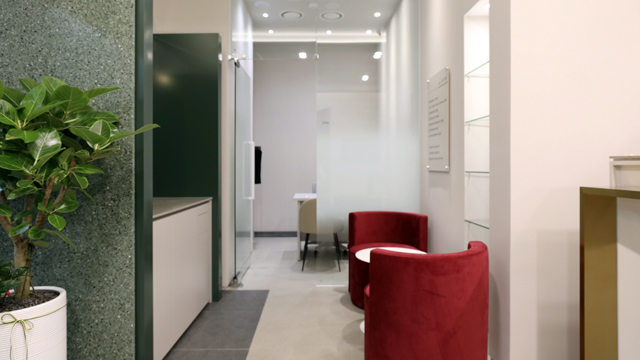
Scar treatment starts with naming the scar — depressed or raised, tethered or not, textural or discoloured — because that is what decides the method. SeoJeong Dermatology is at B-123, Lobby Floor, Acro Vista Arcade, 188 Seochojungang-ro, Seocho-gu, Seoul, South Korea. Opening hours are Monday and Thursday 09:30–19:30, Tuesday and Friday 09:30–18:30, and Saturday 09:30–15:00, with a lunch break from 12:30 to 13:30 Monday to Friday; the clinic is closed on Wednesday and Sunday. To arrange a consultation, call +82-2-533-9300 or email info@seojeongclinic.com.
Disclaimer
This page is for general information only and is not a substitute for individual medical advice, diagnosis, or treatment. Outcomes vary between individuals, and no specific result is guaranteed. Please consult a qualified medical professional about your own circumstances.
Sources & Further Reading
DermNet New Zealand — Acne scarring: scar types, treatment before scar management, and multi-modal approaches
DermNet — Keloid and hypertrophic scar — how keloids differ from hypertrophic scars, and the measures used for them
DermNet — Subcision — how subcision works, its indications, and its contraindications
NHS — Before you have a cosmetic procedure — risks and choosing a practitioner
NHS — Cosmetic surgery abroad — aftercare, follow-up and language when treated outside your home country
Related Services
Procedures available within our clinical departments.

Acne Care & Extraction
Acne care and extraction in Seoul is a non-surgical skin-care service addressing clogged pores, blackheads, whiteheads and selected acne lesions.
Learn More

3DEEP Needle RF
3DEEP Needle RF in Seoul is a radiofrequency-based treatment that delivers energy into targeted skin layers using a specialised device.
Learn More
Acne Laser & Light Therapy
Acne laser and light therapy in Seoul uses selected laser or light-based devices to help manage certain types of acne.
Learn More