Personalized Medical Care & Dedicated International Patient Concierge


Acne Scar & Scar Treatment · Needs Clinic Confirmation
Trifill Scar Subcision
Trifill Scar Subcision in Seoul is a device-assisted scar treatment offered at SeoJeong Dermatology in Seocho-gu.
Schedule a ConsultationTrifill Scar Subcision
Medically reviewed by Dr. Lee Jiyoung, Board-Certified Dermatologist
Trifill Scar Subcision in Seoul is a device-assisted scar treatment offered at SeoJeong Dermatology in Seocho-gu. The clinic describes it as a three-part dermal regeneration procedure that uses CO₂ gas to separate adhered skin tissue and create an air pocket into which a treatment substance is introduced. It may be considered for selected scars following assessment by the dermatologist, and it is one option among several rather than a standard answer to every scar.
What Is Trifill Scar Subcision?
Subcision treats a scar by releasing what is holding it down, rather than by resurfacing what sits on top of it.
The problem it addresses is a depressed scar that is tethered to the tissue beneath it.
The clinic's device is described as a three-part dermal regeneration system that uses CO₂ gas to separate adhered skin tissue and form an air pocket for delivery of a treatment substance.
The equipment used at the clinic is Trifill PRO.
A session may take approximately 30 to 60 minutes, depending on the treatment area and technique used.
Multiple sessions or complementary treatments may be recommended.
That mechanism is what separates this approach from resurfacing. DermNet describes subcision as a minor surgical procedure used for treating depressed cutaneous scars and wrinkles, in which the sharp edge of a needle is used to break fibrotic strands that are tethering the scar to the underlying tissue. The release of those strands, together with new collagen deposition during wound healing, is what produces the change in the scar's appearance.
The same source sets out where the technique is normally directed: depressed distensile scars, depressed bound-down scars, depressed skin grafts, wrinkles and cellulite dimples — explicitly excluding deep ice-pick scars. That exclusion matters, because ice-pick scars are the most common type of atrophic acne scar. DermNet's acne scarring page classifies atrophic scars as ice-pick, boxcar and rolling, and reports that ice-pick scars make up 60 to 70 per cent of them, describing them as narrow, deeper than they are wide, and V-shaped with a sharp edge extending downwards. A technique aimed at tethering will not do much for a scar shaped like that.
Who Performs Trifill Scar Subcision at SeoJeong Dermatology
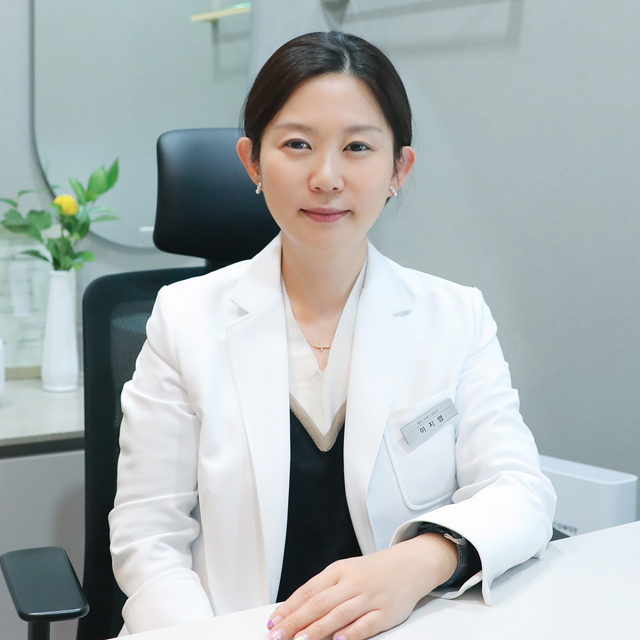
Dr. Lee Jiyoung
Board-certified Dermatologist
Assessment and treatment are carried out by Dr. Lee Jiyoung, Chief Director of SeoJeong Dermatology and a board-certified dermatologist in South Korea with more than 20 years of clinical experience. Her medical education and her dermatology specialist training were both completed in South Korea, and she holds an ECFMG certificate.
The consultation covers scar concerns, medical history, medications and treatment goals; the dermatologist then assesses scar type and skin condition, with mark skin analysis used as part of the consultation where appropriate. A suitable treatment plan is recommended, and expected results, risks, cost and follow-up are discussed before anything is booked. Scar work that is directed at other scar types, including raised and thickened scars, is described on the Acne Scar & Scar Treatment page.
Before establishing the clinic in April 2022, she was Director at Cheongdam Lee Ji-ham Dermatology Clinic, at B&C Dermatology Clinic's Gangnam branch, and at CU Cleanup Dermatology Clinic's Yeongdeungpo branch. She is a regular member of the Korean Dermatological Association, the Korean Association of Dermatologists, the Korean Academy of Anti-Aging Dermatology, the Korean Acne Society, and the Korean Atopic Dermatitis Association. SeoJeong Dermatology is a single-physician clinic, and a dedicated global coordinator supports international patients with English-language communication.
Treatment is carried out under the direction of Dr. Lee Jiyoung; this page does not claim that one specific doctor personally performs every session of this service.
Who Is a Good Candidate for Trifill Scar Subcision?

This treatment may suit:
Adults with depressed acne scars.
Adults with tethered scars that may benefit from treatment directed at fibrous attachments beneath the skin.
Treatment may need to be postponed or avoided for:
Active skin infection.
Open or unhealed wounds.
Other medical conditions that increase treatment risks.
Pregnancy, breastfeeding, bleeding disorders, anticoagulant use and allergies all require individual medical assessment before a decision is made.
The published contraindications for subcision as a technique are narrower than most patients expect, and they are worth raising at the consultation rather than discovering afterwards. DermNet lists them as a history of hypertrophic or keloid scars, current or recent systemic oral retinoid use within the past 12 months, bleeding or blood-clotting disorders, and active bacterial or viral infection. Two of those four — recent isotretinoin and a keloid history — are common in exactly the population that seeks acne-scar treatment.
Patients who travel for this treatment generally do so for a specific set of reasons: an interest in improving the appearance of depressed acne scars, an interest in a treatment directed at adhered scar tissue, access to individualised treatment planning by a Korean dermatology specialist, and private one-to-one consultation and treatment spaces. Those are reasonable grounds for a consultation; none of them substitutes for the assessment of whether the scars present are the type this treatment addresses.
Scar severity can also be described in a structured way rather than impressionistically. DermNet notes that acne scar severity can be graded using Goodman and Baron's qualitative grading system, which distinguishes macular scars — flat marks that are a problem of colour rather than contour — from mild, moderate and severe atrophic or hypertrophic scarring, with moderate scarring defined as obvious at social distances of 50 cm or more but still able to be flattened by manual stretching of the skin. That last detail is a useful shorthand: a depressed scar that flattens when the skin is stretched is the shape of scar that tethering-directed treatment is meant for.
Timing is the other candidacy question. DermNet's position on scar management generally is that active acne should be treated prior to commencing scar management, and that an individualised approach is required based on the size, depth, nature and location of the scarring, the patient's baseline skin type, and their concerns, goals and budget. Where acne is still active, the medical route described under Acne Treatment comes first.
What to Expect: Procedure, Recovery, and Results Timeline
The session follows five steps: assessing the scars and treatment area; determining the appropriate treatment approach; preparing the skin and providing the selected pain-control method; performing the planned procedure using the selected device and treatment substance; and providing aftercare instructions and follow-up guidance.
For pain control, Airnox or topical numbing is used. Subcision as a technique is described by DermNet as something that can be safely performed in the outpatient setting and is usually well tolerated, which matches the clinic's outpatient scheduling of the treatment.
Stage | What happens |
|---|---|
Session length | Approximately 30 to 60 minutes |
Day 0 to 3 | Redness, swelling, tenderness, bruising or small bumps may occur |
Day 4 to 7 | These effects may gradually improve, though recovery varies |
Following weeks | Changes in scar appearance may develop gradually |
Months | Further improvement may continue; additional sessions may be recommended |
One detail of the technique is worth knowing before a first appointment: DermNet advises that the number and intensity of subcisions should be limited on the first treatment in order to review the patient's response, particularly when treating areas with a tendency to react with a hypertrophic scar. A conservative first session is therefore a sign of correct practice rather than a short-changed one. The same source also notes that pressure and ice are applied immediately afterwards to maintain haemostasis and reduce the risk of bleeding, and that make-up may be applied to camouflage bruised areas.
On how many sessions a course usually runs to, DermNet reports that three to six visits suffice for the majority of cases of moderate scarring, with intervals of at least one month between treatments generally recommended. Individuals vary in their ability to form collagen, and the number required depends on the type, location and severity of the depression and on the intensity of treatment.
Before treatment, tell the dermatologist about medications, supplements, allergies, bleeding disorders, previous scar treatments and active skin conditions, and follow the clinic's instructions about alcohol, sun exposure and irritating skincare products. Do not stop prescribed medicines without medical advice.
Afterwards, follow the clinic's instructions for cleansing, moisturising and protecting the treated skin from sunlight, and avoid picking, scrubbing or irritating the area while it heals. Initial changes may become noticeable after early swelling subsides, with further improvement developing over several weeks to months; results depend on scar type, depth, skin condition and individual healing.
Combining Trifill Scar Subcision with Other Treatments
Scar treatment may sometimes be combined with or staged alongside other procedures, such as fractional laser or microneedling, depending on the patient's skin condition. The documented alternatives, depending on scar type, include fractional laser resurfacing, microneedling or radiofrequency treatments, selected fillers, and surgical scar revision.
Within this clinic, the procedures most often discussed alongside it each have their own page: Fractional Laser Resurfacing for textural resurfacing, and Trifill Dermal Regeneration where the goal is dermal rather than scar-specific.
Combination is the norm rather than the exception in this area, and the published combinations are specific. DermNet lists subcision as combining effectively with topical retinoids, microneedling, acid peels, TCA CROSS and fractional laser treatment, and notes that microneedling may be safely performed more than one day after subcision. Because different scar shapes respond to different mechanisms, a plan that addresses tethering and surface texture separately is often more realistic than expecting one modality to do both.
Safety, Precision, and Clinic Standards
The risks of scar procedures may include redness, swelling, bruising, tenderness, temporary skin-texture changes, infection, pigment changes and uneven results.
The technique-specific complication list is more precise, and parts of it are location-dependent. DermNet reports hypertrophic scars in 5 to 10 per cent of cases, or keloid scars, as most likely in periorbital skin, the glabella, the labial commissure and the upper lip, and lists injury to a nerve or blood vessel as most likely at mandibular, temporal and pre-auricular sites. Haematoma due to bleeding is described as normal when small; infection usually presents as a localised acneform papule or pustule; temporary post-inflammatory hyperpigmentation is listed with the advice to protect the area from sun; and sub-optimal response or lack of improvement is listed as an outcome in its own right.
Two honest limits belong next to that. The first is that acne scars are usually permanent, although they may improve spontaneously over time or with treatment. The second is that the degree of improvement depends on scar characteristics, skin condition, treatment approach and healing, which is why no specific result is promised here.
The NHS states that all cosmetic procedures carry some risk, whether surgical or non-surgical, and that they can lead to serious complications if not done correctly. Its advice is to choose a reputable, safe and qualified practitioner trained and experienced in the procedure you are having, and to ask about the procedure, the products used, and what could go wrong.
At SeoJeong Dermatology, treatment planning is carried out by a Korean board-certified dermatologist, each patient receives an individual skin assessment to select treatments suited to their needs, and consultation precedes the selection of any procedure. The clinic is a Registered Medical Institution for Attracting Foreign Patients, certified by the Ministry of Health and Welfare in compliance with the Medical Overseas Expansion and Foreign Patients Attraction Act; its business registration number is 342-17-01916.
NHS guidance on having cosmetic treatment abroad advises finding out what happens if there are complications, where follow-up appointments will be, and how easily you could travel back to the destination where you were treated. It notes that overseas clinics may not provide follow-up treatment to the same standard, and advises asking whether the practitioner speaks a language you understand, since they need to be able to explain the procedure and understand your concerns.
The Bottom Line
Subcision releases scars that are tethered down; it does not resurface the skin's surface.
Deep ice-pick scars are not what this technique is aimed at, and they are the most common atrophic type.
A recent course of oral isotretinoin, a keloid history, a bleeding disorder or an active infection are all reasons to pause.
A session runs about 30 to 60 minutes, with redness and bruising over the first few days.
Improvement develops over weeks to months, and more than one session is usual.
Frequently Asked Questions
What does subcision actually do to the scar?
It breaks the fibrous strands tethering the scar to the tissue beneath it, which allows the depressed area to lift and lets new collagen form during healing.
Will one session be enough?
Usually not. For moderate scarring, three to six visits suffice in the majority of cases, with at least a month between treatments.
Is it suitable for every kind of acne scar?
No. It is directed at depressed, tethered scars. Deep ice-pick scars are specifically excluded, and raised or thickened scars need a different approach altogether.
What is used for the pain?
Airnox or topical numbing. The technique is described as usually well tolerated in an outpatient setting.
I finished a course of isotretinoin recently — does that matter?
Yes. Current or recent systemic oral retinoid use within the past 12 months is a listed contraindication, so tell the dermatologist when your course ended.
How long will the bruising last?
Redness, swelling, tenderness, bruising or small bumps may occur over the first three days and may gradually improve from day four onwards, although this varies by individual and by treatment intensity.
Can my scars be removed completely?
No. Acne scars are usually permanent, and the honest goal is a visible reduction in how noticeable they are rather than removal.
Can I have the consultation in English?
Yes. International patients receive consultations in English at SeoJeong Dermatology, supported by a dedicated global coordinator who handles English-language communication and consultation arrangements.
Book a Consultation at SeoJeong Dermatology
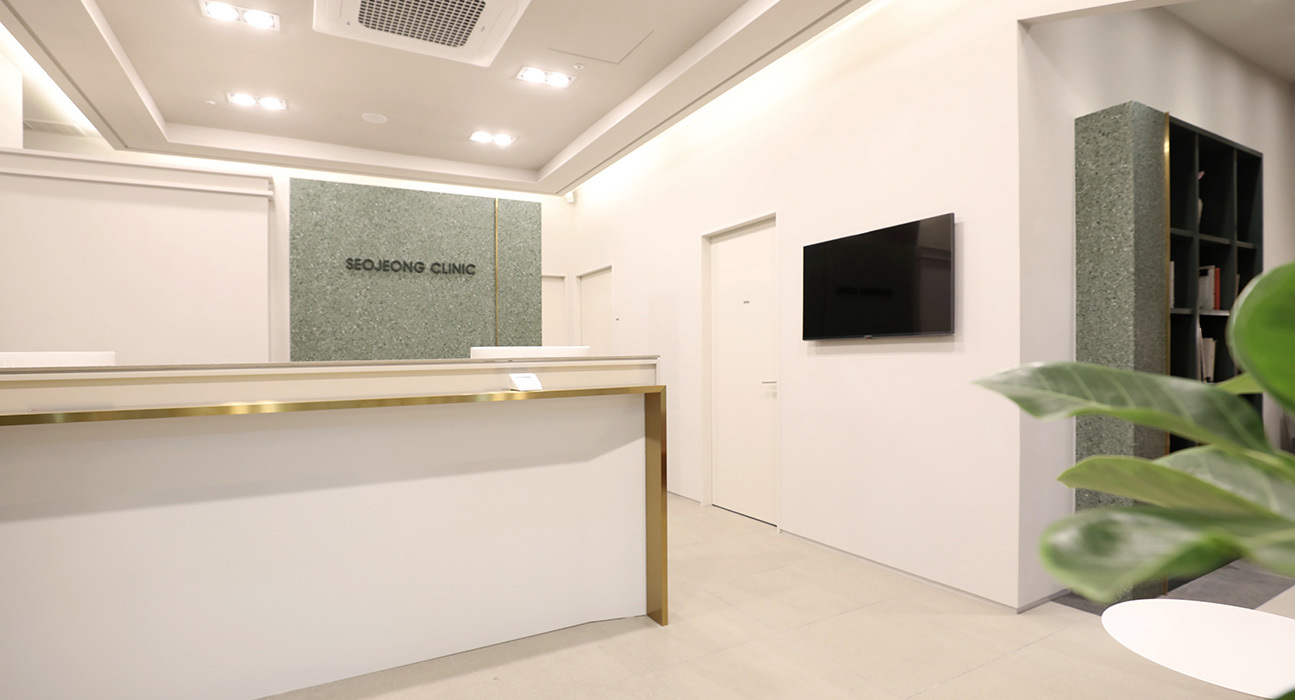
The useful first step is an assessment of which scars you actually have, because the answer decides whether this treatment is the right one. SeoJeong Dermatology is at B-123, Lobby Floor, Acro Vista Arcade, 188 Seochojungang-ro, Seocho-gu, Seoul, South Korea. Opening hours are Monday and Thursday 09:30–19:30, Tuesday and Friday 09:30–18:30, and Saturday 09:30–15:00, with a lunch break from 12:30 to 13:30 Monday to Friday; the clinic is closed on Wednesday and Sunday. To arrange a consultation, use the contact page or call +82-2-533-9300, or email info@seojeongclinic.com.
Incheon International Airport is roughly 11 to 13 hours' non-stop flight from the US West Coast and 14 to 16 hours from the East Coast, with departure hubs including Los Angeles, San Francisco, Seattle, New York, Chicago, and Atlanta; Seocho-gu is reached from Incheon by airport limousine, taxi, or public transport. Arriving at least one day before the appointment allows time for travel recovery and the consultation. Korea Standard Time is UTC+9. US citizens are currently exempt from K-ETA only until 31 December 2026, which may change from 1 January 2027, and a digital e-Arrival Card has been mandatory for every entry since 1 January 2026.
Disclaimer
This page is for general information only and is not a substitute for individual medical advice, diagnosis, or treatment. Outcomes vary between individuals, and no specific result is guaranteed. Please consult a qualified medical professional about your own circumstances.
Sources & Further Reading
DermNet — Subcision — what the technique does, its indications and contraindications, session counts and intervals, complications, and the treatments it combines with
DermNet — Acne scarring — atrophic scar types and their proportions, the individualised approach to treatment selection, treating active acne first, and the long-term outlook for scars
NHS — Before you have a cosmetic procedure — risks of surgical and non-surgical procedures, and choosing a practitioner
NHS — Cosmetic surgery abroad — complications, follow-up and language when treated outside your home country
Other Services
Explore additional treatments offered by our specialists.

Wart & Corn Cryotherapy
Wart and corn cryotherapy in Seoul is a treatment at SeoJeong Dermatology in Seocho-gu that uses an extremely cold substance, usually liquid nitrogen, to destroy wart tissue.
Learn More

Thermage Skin Tightening
Thermage skin tightening in Seoul is a non-surgical treatment that uses radiofrequency energy to heat deeper skin tissue and support collagen remodeling.
Learn More

Re2O Skin Booster
Re2O skin booster in Seoul is a skin booster based on human-derived acellular dermal matrix, used in aesthetic treatments intended to improve skin texture and firmness.
Learn More