Personalized Medical Care & Dedicated International Patient Concierge


Acne Scar & Scar Treatment · Needs Clinic Confirmation
Scar & Keloid Injection
Scar and keloid injection in Seoul is a non-surgical treatment in which medication is delivered directly into raised or thickened scar tissue to help reduce its thickness, firmness, or associated itching.
Schedule a ConsultationScar & Keloid Injection
Medically reviewed by Dr. Lee Jiyoung, Board-Certified Dermatologist
Scar and keloid injection in Seoul is a non-surgical treatment in which medication is delivered directly into raised or thickened scar tissue to help reduce its thickness, firmness, or associated itching. At SeoJeong Dermatology in Seocho-gu, the medication and treatment plan depend on the scar type and on individual assessment, and the clinic's approved description is deliberately narrow: individualised scar assessment and treatment planning, with options tailored to scar type and skin condition.
What Is Scar & Keloid Injection?
This is a treatment for raised scars, not depressed ones, and that distinction decides almost everything else about it.
The targets are raised, thickened, firm or itchy scars, including some hypertrophic scars and keloids.
The medication is injected into the targeted scar tissue rather than applied to the surface.
A session may take approximately 15 to 30 minutes, depending on the scar's size, location, and the number of injection sites.
Repeat sessions or combination treatment may be needed.
Complete scar removal cannot be guaranteed.
The two scar types named here are not the same thing, and the difference changes what can reasonably be expected. DermNet describes a keloid scar as a firm, smooth, hard growth that occurs as a result of excessive scar formation, which may extend beyond the original wound margin; hypertrophic scars, by contrast, are limited to the area of damaged skin, and are prone to occur when there is a lot of tension on a healing wound. Its summary of the outlook is the sentence most worth reading twice: a hypertrophic scar may resolve spontaneously and is likely to respond better to treatment than a keloid, while keloids are likely to persist without spontaneous resolution and prove resistant to treatment.
The same source sets out the aims of treatment plainly — to reduce the cosmetic disfigurement and functional problems caused by the keloid, and to reduce pain and itch. Itch and discomfort are symptoms in their own right, and a treatment that relieves them has done something real even when the scar remains visible.
Who Performs Scar & Keloid Injection at SeoJeong Dermatology
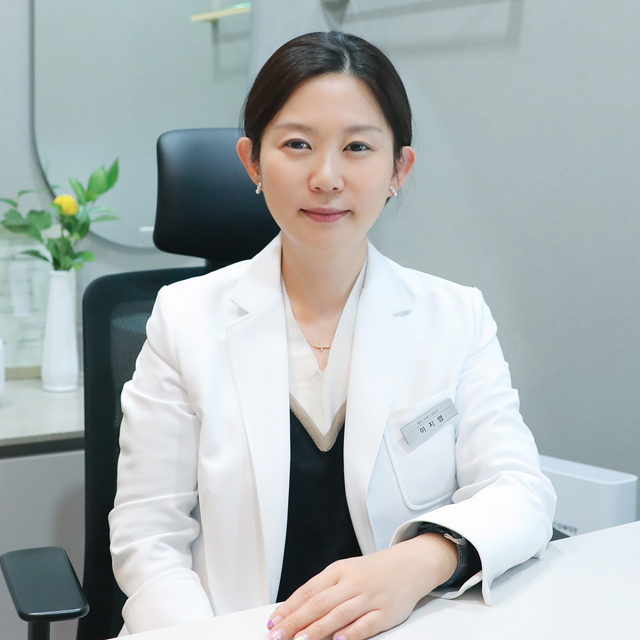
Dr. Lee Jiyoung
Board-certified Dermatologist
Assessment and treatment are carried out by Dr. Lee Jiyoung, Chief Director of SeoJeong Dermatology and a board-certified dermatologist in South Korea with more than 20 years of clinical experience. Her medical education and her dermatology specialist training were both completed in South Korea, and she holds an ECFMG certificate.
The consultation discusses the scar's history, symptoms and treatment goals; reviews relevant medical conditions, allergies and medications; examines the scar's thickness, location, size and characteristics; and covers suitable treatments, potential risks, expected outcomes, fees and follow-up. Other approaches to scarring, including those directed at depressed and textural scars, are set out on the Acne Scar & Scar Treatment page.
Before establishing the clinic in April 2022, she was Director at Cheongdam Lee Ji-ham Dermatology Clinic, at B&C Dermatology Clinic's Gangnam branch, and at CU Cleanup Dermatology Clinic's Yeongdeungpo branch. She is a regular member of the Korean Dermatological Association, the Korean Association of Dermatologists, the Korean Academy of Anti-Aging Dermatology, the Korean Acne Society, and the Korean Atopic Dermatitis Association. SeoJeong Dermatology is a single-physician clinic, and a dedicated global coordinator supports international patients with English-language communication.
Treatment is carried out under the direction of Dr. Lee Jiyoung; this page does not claim that one specific doctor personally performs every session of this service.
Who Is a Good Candidate for Scar & Keloid Injection?
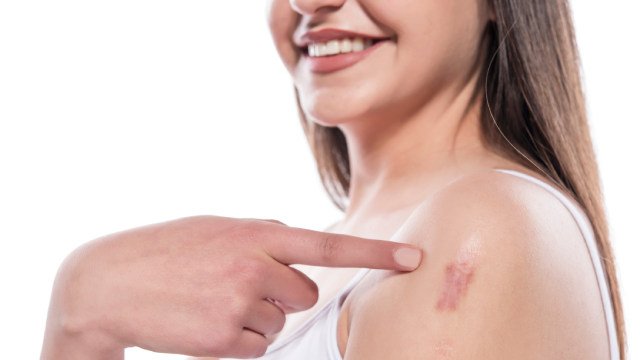
Adults with the following may be candidates:
Raised scars.
Thickened or firm scars.
Itchy scars.
Some hypertrophic scars and keloids.
Treatment may be postponed, or require additional assessment, in cases of:
Active skin infection.
Known allergy to the proposed medication.
Pregnancy or breastfeeding.
Certain medical conditions.
Who develops these scars at all is not evenly distributed. DermNet reports that hypertrophic scarring is common and can occur in all races and ages, whereas keloid scars are less common and more frequent in those with Fitzpatrick skin types III to VI; it adds that keloids are self-reported in 16 per cent of Black individuals, and that a genetic association has been noted with some HLA haplotypes and blood group A. Keloids may also arise months to years after an injury, which is why a scar that was unremarkable at first can become a reason for consultation much later.
Patients who ask about this treatment generally do so for a recognisable set of reasons: an interest in improving raised or thickened scars, a preference for non-surgical options, an interest in individualised scar assessment, questions about practitioner qualifications and treatment safety, and a preference for private consultation with English-language assistance.
What to Expect: Procedure, Recovery, and Results Timeline
The session follows five steps: examining the scar and determining suitability; cleaning the treatment area; applying numbing if appropriate; injecting the selected medication into the targeted scar tissue; and providing aftercare instructions with follow-up arranged if needed. Topical anaesthetic or topical numbing may be considered depending on the treatment area and clinical protocol.
Stage | What happens |
|---|---|
Session length | Approximately 15 to 30 minutes |
Day 0 to 3 | Mild redness, swelling, tenderness or bruising may occur around the injection site |
Day 4 to 7 | Minor effects often improve over several days |
2 to 4 weeks | Initial improvement may appear |
4 to 8 weeks or longer | Further softening or flattening may develop |
Multiple sessions spaced several weeks apart may be needed. That interval is consistent with how this class of treatment is described generally: DermNet lists intralesional corticosteroid injection, repeated every few weeks, among the measures helpful in at least some patients with keloids and hypertrophic scars.
Before treatment, tell the physician about allergies, medical conditions, previous scar treatments, and all medicines and supplements, and ask whether any products or activities should be avoided beforehand. Do not stop prescribed medication without medical advice.
Afterwards, keep the area clean and follow the physician's wound-care instructions, avoid picking, rubbing or irritating the treated area, and use sun protection where appropriate. Contact the clinic if symptoms worsen or signs of infection develop.
Combining Scar & Keloid Injection with Other Treatments
Scar injections may be used alongside other treatments, such as silicone therapy, laser treatment, or other scar-management approaches, when clinically appropriate. Depending on the scar, the documented alternatives include silicone gel or sheets, pressure therapy, laser treatment, cryotherapy, surgical removal with appropriate adjunctive treatment, or other medical therapies.
The published list of measures for raised scars is longer than most patients realise, and several of them are things done at home over months rather than in a clinic room. DermNet lists emollient creams and oils massaged regularly into the scar, polyurethane or silicone scar-reduction patches, silicone gel, pressure dressings and garments, intralesional treatments, cryotherapy, pulsed dye laser, skin needling and surgical excision among the options — and attaches a practical instruction to the dressings: scar dressings should be worn for 12 to 24 hours per day, for at least 8 to 12 weeks, and perhaps for much longer. It also gives a specific warning about surgery, noting that in keloids, surgical excision may result in a new keloid even larger than the original one.
Safety, Precision, and Clinic Standards
Possible effects include temporary pain, redness, swelling and bruising. Depending on the medication, complications may include skin thinning, changes in pigmentation, visible small blood vessels, or recurrence of the scar. Infection is possible. Seek medical advice for worsening pain, spreading redness, drainage, or other concerning symptoms.
Recurrence deserves its own sentence rather than a footnote. DermNet notes that hypertrophic and keloid scars are particularly prone to recur even after apparently successful treatment, and that keloids prove resistant to treatment. It also offers a reassurance that patients often need: hypertrophic and keloid scars are harmless and do not change into skin cancer, although patients with keloids have a slightly higher risk of skin cancer than non-keloid individuals.
One piece of prevention advice follows directly from all of this and is relevant to anyone reading a page about cosmetic treatment: DermNet advises avoiding unnecessary surgery and cosmetic procedures in keloid-prone individuals and areas. A keloid history is therefore something to disclose before any procedure at this clinic, not only this one.
The NHS states that all cosmetic procedures carry some risk, whether surgical or non-surgical, and that they can lead to serious complications if not done correctly. Its advice is to choose a reputable, safe and qualified practitioner trained and experienced in the procedure you are having, and to ask about the procedure, the products used, and what could go wrong.
At SeoJeong Dermatology, treatment planning is carried out by a Korean board-certified dermatologist, each patient receives an individual skin assessment to select treatments suited to their needs, and consultation precedes the selection of any procedure. The clinic is a Registered Medical Institution for Attracting Foreign Patients, certified by the Ministry of Health and Welfare in compliance with the Medical Overseas Expansion and Foreign Patients Attraction Act; its business registration number is 342-17-01916.
NHS guidance on having cosmetic treatment abroad advises finding out what happens if there are complications, where follow-up appointments will be, and how easily you could travel back to the destination where you were treated. It notes that overseas clinics may not provide follow-up treatment to the same standard, and advises asking whether the practitioner speaks a language you understand, since they need to be able to explain the procedure and understand your concerns.
The Bottom Line
The treatment targets raised, thickened or itchy scars — not depressed ones.
Hypertrophic scars generally respond better than keloids, which tend to persist.
Sessions take 15 to 30 minutes and are usually repeated several weeks apart.
Improvement in thickness, firmness or itch is the realistic goal; removal is not promised.
Skin thinning, pigment change and recurrence are recognised possibilities.
Frequently Asked Questions
What is the difference between a keloid and a hypertrophic scar?
A hypertrophic scar stays within the area of damaged skin; a keloid is an excessive scar that can extend beyond the original wound margin and can appear months or years after the injury.
Which one responds better to treatment?
Hypertrophic scars. They may even resolve on their own and generally respond better, while keloids tend to persist and resist treatment.
How many sessions will I need?
Multiple sessions spaced several weeks apart may be needed. The number depends on the scar's type, size, location and how it responds.
Does the injection hurt?
Topical anaesthetic or numbing may be used depending on the area and protocol. Temporary pain, redness, swelling and bruising at the site are possible afterwards.
Can the scar come back?
Yes. Raised scars of this kind are particularly prone to recur even after apparently successful treatment, which is why follow-up is part of the plan.
Are these scars dangerous?
No. They are harmless and do not turn into skin cancer, although people with keloids have a slightly higher skin cancer risk than people without them.
I scar badly — should I avoid cosmetic treatments generally?
Tell the dermatologist first. Avoiding unnecessary surgery and cosmetic procedures in keloid-prone individuals and areas is standard advice, so a keloid history changes the conversation about any procedure.
Can I have the consultation in English?
Yes. International patients receive consultations in English at SeoJeong Dermatology, supported by a dedicated global coordinator who handles English-language communication and consultation arrangements.
Book a Consultation at SeoJeong Dermatology
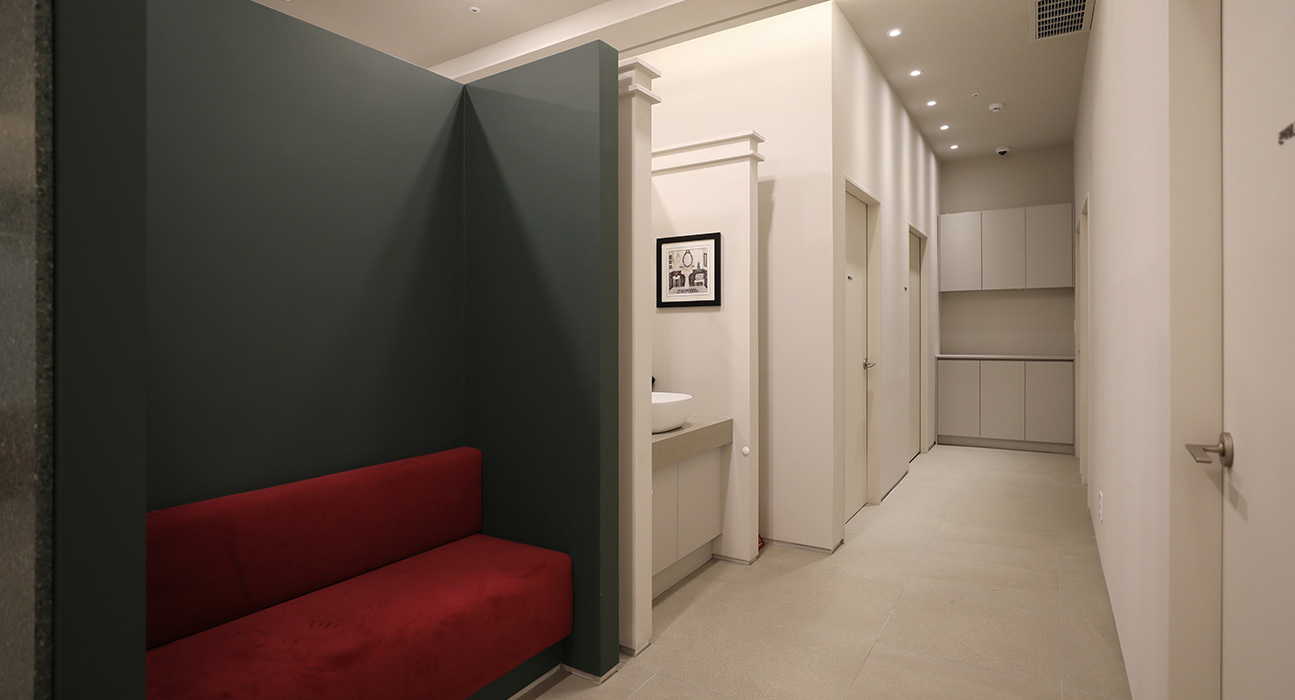
Raised scars are assessed by thickness, location, size and symptoms, and that assessment is what decides whether injection is the right route. SeoJeong Dermatology is at B-123, Lobby Floor, Acro Vista Arcade, 188 Seochojungang-ro, Seocho-gu, Seoul, South Korea. Opening hours are Monday and Thursday 09:30–19:30, Tuesday and Friday 09:30–18:30, and Saturday 09:30–15:00, with a lunch break from 12:30 to 13:30 Monday to Friday; the clinic is closed on Wednesday and Sunday. To arrange a consultation, use the contact page, call +82-2-533-9300, or email info@seojeongclinic.com.
Incheon International Airport is roughly 11 to 13 hours' non-stop flight from the US West Coast and 14 to 16 hours from the East Coast, with departure hubs including Los Angeles, San Francisco, Seattle, New York, Chicago, and Atlanta; Seocho-gu is reached from Incheon by airport limousine, taxi, or public transport. Arriving at least one day before the appointment allows time for travel recovery and the consultation. Korea Standard Time is UTC+9. US citizens are currently exempt from K-ETA only until 31 December 2026, which may change from 1 January 2027, and a digital e-Arrival Card has been mandatory for every entry since 1 January 2026.
Disclaimer
This page is for general information only and is not a substitute for individual medical advice, diagnosis, or treatment. Outcomes vary between individuals, and no specific result is guaranteed. Please consult a qualified medical professional about your own circumstances.
Sources & Further Reading
DermNet — Keloid and hypertrophic scar — how the two scar types differ, who develops them, the aims and measures of treatment, recurrence, and prevention advice for keloid-prone people
NHS — Before you have a cosmetic procedure — risks of surgical and non-surgical procedures, and choosing a practitioner
NHS — Cosmetic surgery abroad — complications, follow-up and language when treated outside your home country
Other Services
Explore additional treatments offered by our specialists.

Wart & Corn Cryotherapy
Wart and corn cryotherapy in Seoul is a treatment at SeoJeong Dermatology in Seocho-gu that uses an extremely cold substance, usually liquid nitrogen, to destroy wart tissue.
Learn More

Thermage Skin Tightening
Thermage skin tightening in Seoul is a non-surgical treatment that uses radiofrequency energy to heat deeper skin tissue and support collagen remodeling.
Learn More
Re2O Skin Booster
Re2O skin booster in Seoul is a skin booster based on human-derived acellular dermal matrix, used in aesthetic treatments intended to improve skin texture and firmness.
Learn More