Personalized Medical Care & Dedicated International Patient Concierge

Medical Skin Care · Needs Clinic Confirmation
Ionzyme Vitamin Facial
Ionzyme Vitamin Facial in Seoul is a non-invasive skin-care treatment at SeoJeong Dermatology in Seocho-gu that uses iontophoresis together with ultrasound to help deliver selected skincare ingredients into the skin.
Schedule a ConsultationIonzyme Vitamin Facial
Medically reviewed by Dr. Lee Jiyoung, Board-Certified Dermatologist
Ionzyme Vitamin Facial in Seoul is a non-invasive skin-care treatment at SeoJeong Dermatology in Seocho-gu that uses iontophoresis together with ultrasound to help deliver selected skincare ingredients into the skin. The clinic describes its Ionzyme equipment as combining these two methods to enhance ingredient penetration, and the treatment may be used as part of a personalised skincare plan, including care for uneven skin tone and pigmentation concerns.
What Is Ionzyme Vitamin Facial?
This is a delivery treatment. The device does not supply the active effect; the ingredients do, and the device is intended to help them get further than they otherwise would.
The method combines iontophoresis and ultrasound, as described by the clinic.
The ingredients applied are selected at assessment rather than fixed.
It may be used as part of a personalised skincare plan, including for uneven tone and pigmentation concerns.
Sessions commonly take roughly 30 to 60 minutes.
The clinic's approved description is that it may help improve skin hydration and promote a brighter, more even-looking complexion, with results varying by skin condition and protocol.
Delivery is exactly where the honest difficulty in this category lies, and the published assessment of the best-known ingredient in it is unusually frank. DermNet notes that topical vitamin C, or ascorbic acid, is a popular vitamin added to skin care products, and that vitamin C is an antioxidant which, when manufactured into a stable topical formulation, is proven to be effective in protecting against photoageing of the skin. In the same breath it observes that many of the available formulations contain very low concentrations of antioxidants that are not well absorbed by the skin.
The two technical obstacles it names are stability and penetration. L-ascorbic acid, the commonest form, is highly unstable when exposed to oxygen, which can render it useless; and many of the currently available topical vitamin C preparations do not penetrate the skin sufficiently to make any difference. A correctly formulated preparation is described as a costly process, and research is underway to optimise a stable and effective formulation. That is the context in which a delivery-assisted treatment is offered — not as a guarantee, but as an attempt to address a known limitation of topical application.
Who Performs Ionzyme Vitamin Facial at SeoJeong Dermatology
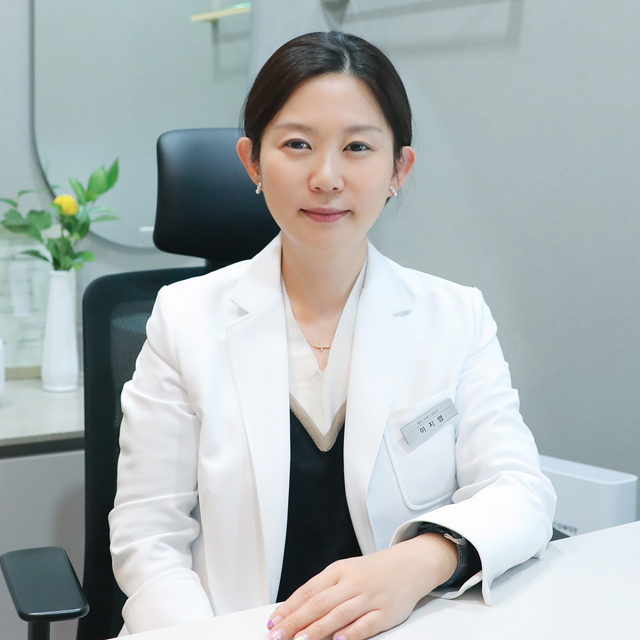
Dr. Lee Jiyoung
Board-certified Dermatologist
Assessment and treatment are carried out by Dr. Lee Jiyoung, Chief Director of SeoJeong Dermatology and a board-certified dermatologist in South Korea with more than 20 years of clinical experience. Her medical education and her dermatology specialist training were both completed in South Korea, and she holds an ECFMG certificate.
The consultation reviews skin concerns, medical history, current skincare products, allergies and previous procedures; the skin is examined to determine whether this treatment is appropriate and which skincare ingredients may be suitable; and other treatments are discussed if the concerns require a different approach. Where the concern is a diagnosed skin condition, the route is the one set out under Medical Skin Care.
Before establishing the clinic in April 2022, she was Director at Cheongdam Lee Ji-ham Dermatology Clinic, at B&C Dermatology Clinic's Gangnam branch, and at CU Cleanup Dermatology Clinic's Yeongdeungpo branch. She is a regular member of the Korean Dermatological Association, the Korean Association of Dermatologists, the Korean Academy of Anti-Aging Dermatology, the Korean Acne Society, and the Korean Atopic Dermatitis Association. SeoJeong Dermatology is a single-physician clinic, and a dedicated global coordinator supports international patients with English-language communication.
Treatment is carried out under the direction of Dr. Lee Jiyoung; this page does not claim that one specific doctor personally performs every session of this service.
Who Is a Good Candidate for Ionzyme Vitamin Facial?
Following a skin assessment, this treatment may suit people seeking non-invasive skincare for:
Dull-looking skin.
Uneven tone.
Mild pigmentation concerns.
Treatment may need to be postponed or modified for people with:
Active skin infections.
Open wounds.
Significant irritation.
An active inflammatory skin condition in the treatment area.
Three disclosures matter particularly here: relevant medical conditions, implanted electronic devices, and ingredient allergies. Final suitability depends on the device instructions as well as on clinical assessment, which is why an implanted device is a question asked before the treatment rather than during it.
Where pigmentation is established rather than mild, a delivery-based facial is the wrong tool and the options under Pigmentation & Redness Treatment address it directly. It does not permanently remove pigmentation.
What to Expect: Procedure, Recovery, and Results Timeline
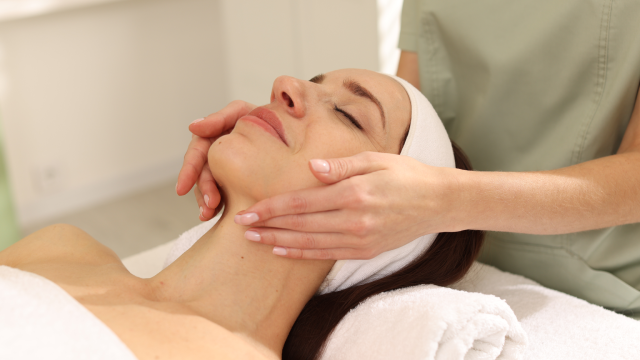
The session follows five steps: the skin is assessed; make-up, oil and surface impurities are removed; suitable skincare ingredients are applied; the device is used according to the selected treatment protocol; and moisturiser and sunscreen are applied as appropriate.
Anaesthesia is not expected for this non-invasive treatment, although patients may experience mild tingling or a temporary sensation from the device.
Stage | What happens |
|---|---|
Session length | Roughly 30 to 60 minutes |
Immediately | Most patients resume daily activities |
A few hours to 1 to 2 days | Mild redness or sensitivity usually settles |
8 to 12 weeks | The initial programme typically spans this period |
The programme length reflects treatment duration rather than a guarantee of when final results will appear — a distinction worth keeping in mind when a course is booked in advance.
Before treatment, arrive with clean skin if possible, and inform the clinician about allergies, skin conditions, medications, recent cosmetic procedures and any products that have caused irritation. Avoid introducing new irritating skincare products immediately beforehand.
Afterwards, use a gentle cleanser and moisturiser, apply broad-spectrum sunscreen and limit excessive sun exposure, and avoid harsh exfoliants, scrubs and irritating active ingredients until the skin feels comfortable. Follow the clinic's instructions if redness or sensitivity develops.
Sun protection is not an afterthought in a treatment aimed at tone. DermNet notes that exposure to UV light has been shown to decrease the naturally occurring vitamin C levels in the skin, and that topical vitamin C has been shown to protect the skin from UV damage caused by prolonged sun exposure by reducing free radical formation and sunburn cells. Daytime sun protection and an ingredient aimed at photoageing work in the same direction rather than substituting for one another.
Combining Ionzyme Vitamin Facial with Other Treatments
This treatment may be incorporated into a broader skincare plan with gentle cleansing, moisturising, or other dermatologist-recommended treatments. Combining it with chemical peels, lasers or other potentially irritating procedures should be based on clinical assessment and appropriate treatment intervals.
The documented alternatives, depending on the concern, are topical skincare, other non-invasive facial treatments, or dermatologist-directed treatments for pigmentation; laser or light-based treatments may be considered for selected conditions after assessment. Which is most appropriate depends on the diagnosis, the skin type, and the risk of post-inflammatory pigmentation — the last of which is the reason a more aggressive option is not automatically the better one.
Within this clinic, where pigment rather than tone is the target, Laser Toning is assessed as a separate treatment with its own indications and risks.
Safety, Precision, and Clinic Standards
Temporary redness, tingling, irritation, dryness or sensitivity may occur, and reactions to skincare ingredients are also possible. The actual risks depend on the products and device settings used. Seek clinical advice for persistent irritation or an unexpected reaction.
Because the risk here is largely ingredient risk, the relevant guidance is about products rather than procedures. DermNet advises discontinuing use if allergic contact dermatitis develops to a particular emollient or moisturiser, and notes that suspected allergic contact dermatitis to preservatives, fragrances or vehicles can be investigated by patch testing. It also draws the line between transient irritation, after which a product can generally continue to be used, and a reaction that means stopping.
Expectations are the other thing worth managing honestly. The degree of improvement depends on the ingredients, skin condition and treatment plan, and results are not guaranteed. The published benefits of topical vitamin C preparations are improving skin appearance by reducing fine lines and wrinkles, aiding wound healing by stabilising collagen, and protecting against or lessening the severity of sunburn — a shorter list than most product marketing implies.
The NHS states that all cosmetic procedures carry some risk, whether surgical or non-surgical, and that they can lead to serious complications if not done correctly. Its advice is to choose a reputable, safe and qualified practitioner trained and experienced in the procedure you are having, and to ask about the procedure, the products used, and what could go wrong.
At SeoJeong Dermatology, treatment planning is carried out by a Korean board-certified dermatologist, each patient receives an individual skin assessment to select treatments suited to their needs, and consultation precedes the selection of any procedure. The clinic is a Registered Medical Institution for Attracting Foreign Patients, certified by the Ministry of Health and Welfare in compliance with the Medical Overseas Expansion and Foreign Patients Attraction Act; its business registration number is 342-17-01916.
NHS guidance on having cosmetic treatment abroad advises finding out what happens if there are complications, where follow-up appointments will be, and how easily you could travel back to the destination where you were treated. It notes that overseas clinics may not provide follow-up treatment to the same standard, and advises asking whether the practitioner speaks a language you understand, since they need to be able to explain the procedure and understand your concerns.
The Bottom Line
The treatment combines iontophoresis and ultrasound to support delivery of selected ingredients.
Sessions run roughly 30 to 60 minutes with mild tingling and little or no downtime.
The initial programme typically spans 8 to 12 weeks.
It may support hydration and a brighter, more even-looking complexion; it does not permanently remove pigmentation.
Implanted electronic devices and ingredient allergies must be disclosed before treatment.
Frequently Asked Questions
What does the device do?
The clinic describes its Ionzyme equipment as combining iontophoresis and ultrasound to enhance the penetration of skincare ingredients applied during the session.
Does it hurt?
No anaesthesia is expected. Patients may feel mild tingling or a temporary sensation from the device.
How many sessions are involved?
The initial programme typically spans 8 to 12 weeks. That reflects the treatment duration rather than a guarantee of when results will appear.
Will it get rid of my pigmentation?
No. It may support a more even-looking tone, but it does not permanently remove pigmentation, and established pigmentation is assessed as a separate problem.
Is topical vitamin C actually effective?
A stable formulation is proven to protect against photoageing, but many available formulations contain low antioxidant concentrations that are not well absorbed, and many do not penetrate the skin sufficiently to make a difference.
I have a pacemaker or another implanted device — can I have this?
Tell the clinician before booking. Implanted electronic devices are one of the specific disclosures required, and suitability depends on the device instructions.
What should I avoid afterwards?
Harsh exfoliants, scrubs and irritating active ingredients until the skin feels comfortable, plus excessive sun exposure.
Can I have the consultation in English?
Yes. International patients receive consultations in English at SeoJeong Dermatology, supported by a dedicated global coordinator who handles English-language communication and consultation arrangements.
Book a Consultation at SeoJeong Dermatology

Which ingredients are appropriate, and whether a delivery-assisted facial is the right route at all, is decided at the skin assessment. SeoJeong Dermatology is at B-123, Lobby Floor, Acro Vista Arcade, 188 Seochojungang-ro, Seocho-gu, Seoul, South Korea. Opening hours are Monday and Thursday 09:30–19:30, Tuesday and Friday 09:30–18:30, and Saturday 09:30–15:00, with a lunch break from 12:30 to 13:30 Monday to Friday; the clinic is closed on Wednesday and Sunday. To arrange a consultation, call +82-2-533-9300 or email info@seojeongclinic.com.
Incheon International Airport is roughly 11 to 13 hours' non-stop flight from the US West Coast and 14 to 16 hours from the East Coast, with departure hubs including Los Angeles, San Francisco, Seattle, New York, Chicago, and Atlanta; Seocho-gu is reached from Incheon by airport limousine, taxi, or public transport. Arriving at least one day before the appointment allows time for travel recovery and the consultation. Korea Standard Time is UTC+9. US citizens are currently exempt from K-ETA only until 31 December 2026, which may change from 1 January 2027, and a digital e-Arrival Card has been mandatory for every entry since 1 January 2026.
Disclaimer
This page is for general information only and is not a substitute for individual medical advice, diagnosis, or treatment. Outcomes vary between individuals, and no specific result is guaranteed. Please consult a qualified medical professional about your own circumstances.
Sources & Further Reading
DermNet — Topical vitamin C — what topical vitamin C is proven to do, how it works, and the stability and penetration problems that limit many formulations
DermNet — Emollients and moisturisers — irritant versus allergic reactions to skincare products, and when a product should be stopped and investigated
NHS — Before you have a cosmetic procedure — risks of surgical and non-surgical procedures, and choosing a practitioner
NHS — Cosmetic surgery abroad — complications, follow-up and language when treated outside your home country
Other Services
Explore additional treatments offered by our specialists.

Wart & Corn Cryotherapy
Wart and corn cryotherapy in Seoul is a treatment at SeoJeong Dermatology in Seocho-gu that uses an extremely cold substance, usually liquid nitrogen, to destroy wart tissue.
Learn More

Thermage Skin Tightening
Thermage skin tightening in Seoul is a non-surgical treatment that uses radiofrequency energy to heat deeper skin tissue and support collagen remodeling.
Learn More
Re2O Skin Booster
Re2O skin booster in Seoul is a skin booster based on human-derived acellular dermal matrix, used in aesthetic treatments intended to improve skin texture and firmness.
Learn More