Personalized Medical Care & Dedicated International Patient Concierge


Specialty Overview
Skin Lifting & Tightening
Skin lifting and tightening is a group of non-surgical treatments that use ultrasound, radiofrequency, or selected laser energy to improve loose skin, firmness, and elasticity.
Schedule a ConsultationSkin Lifting & Tightening
Medically reviewed by Dr. Lee Jiyoung, Board-Certified Dermatologist
Skin lifting and tightening treatments are designed to improve loose skin, firmness, and elasticity using energy-based technologies such as ultrasound, radiofrequency (RF), or selected lasers. At SeoJeong Dermatology in Seocho-gu, Seoul, these treatments are selected for each patient rather than applied as a standard package, and the energy device chosen depends on where the laxity sits and how marked it is. Results depend on the treatment and the individual.
What Is Skin Lifting & Tightening?
Skin lifting and tightening is a group of non-surgical treatments that use ultrasound, radiofrequency, or selected laser energy to improve loose skin, firmness, and elasticity. The treatments work by delivering controlled energy into the skin and the tissue beneath it, which prompts the body's own collagen response over the weeks and months that follow.
The energy sources used in this category are RF devices, focused ultrasound systems, and selected laser or light-based devices.
SeoJeong Dermatology uses Thermage, Ulthera, and 3DEEP for skin tightening, and LinearZ for skin lifting.
A single session usually takes approximately 30 to 90 minutes.
Some treatments require one session, while laser-based treatments may require around three to five sessions.
Treatment may improve mild to moderate skin laxity, and results vary by treatment and by individual.
Loss of firmness is a normal part of how skin changes over time. DermNet, the dermatology reference maintained by DermNet New Zealand, describes two separate ageing processes: intrinsic ageing, which affects the skin of the entire body including sun-protected sites, and extrinsic ageing, which is induced by chronic ultraviolet radiation exposure, smoking, and other pollutants. In intrinsically aged skin, sagging or laxity may occur with body movement, due to loss of elasticity. That distinction matters when you are deciding what a tightening treatment can reasonably do: energy-based treatment addresses the quality and firmness of the tissue that is there, not the amount of skin present.
Who Performs Skin Lifting & Tightening at SeoJeong Dermatology
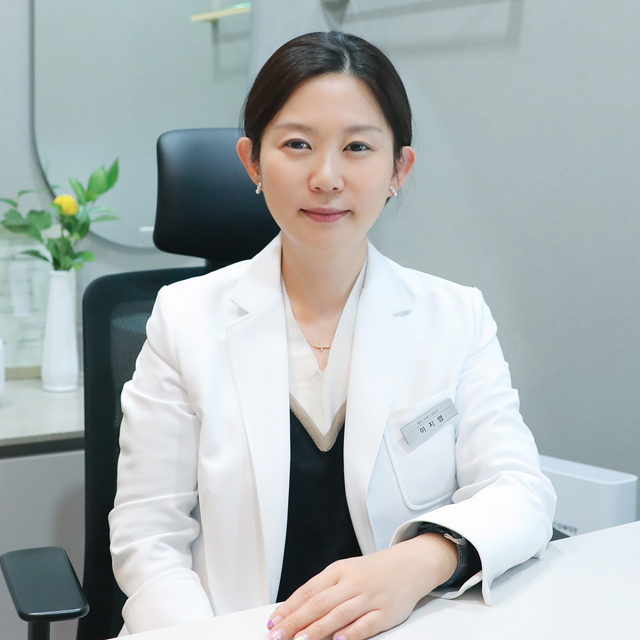
Dr. Lee Jiyoung
Board-certified Dermatologist
All consultations and treatments at SeoJeong Dermatology are provided personally by Dr. Lee Jiyoung, the clinic's Chief Director. She is a board-certified dermatologist in South Korea with more than 20 years of clinical experience, having completed both her medical education and her dermatology specialist training in Korea, and she holds an ECFMG certificate. Lifting and anti-aging are two of her six listed core areas of focus, alongside acne, scar, pigmentation, and redness.
Her experience with this specific category is reflected in how the clinic combines devices rather than relying on a single machine: the clinic's documented approach to lifting and anti-aging treatment uses Thermage, Ulthera, 3DEEP, and LinearZ together, choosing between them according to the individual's skin. Before founding SeoJeong Dermatology, she served as Director at Cheongdam Lee Ji-ham Dermatology Clinic, at the Gangnam branch of B&C Dermatology Clinic, and at the Yeongdeungpo branch of CU Cleanup Dermatology Clinic. She is a regular member of the Korean Dermatological Association, the Korean Association of Dermatologists, the Korean Academy of Anti-Aging Dermatology, the Korean Acne Society, and the Korean Atopic Dermatitis Association.
SeoJeong Dermatology operates as a single-physician clinic, so the doctor who assesses your skin at consultation is the doctor who performs the treatment. One dedicated global coordinator supports international patients with English-language communication and consultation arrangements.
Skin Lifting & Tightening Options Available
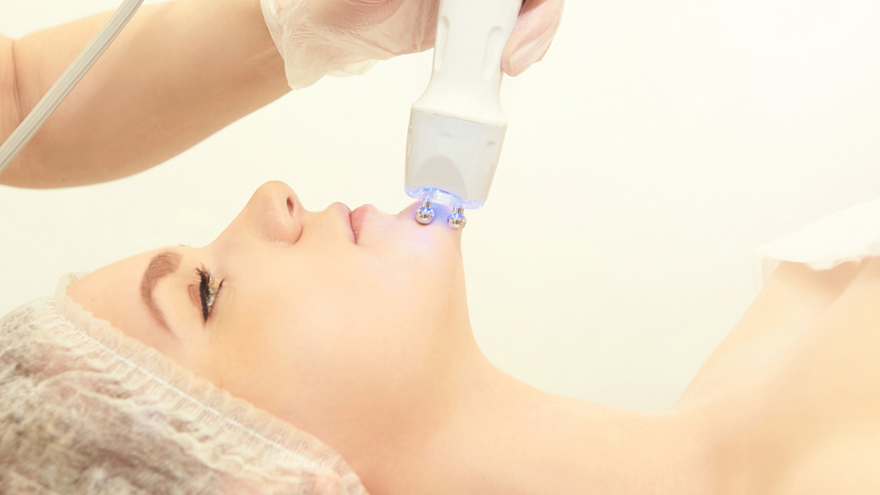
The clinic groups its lifting and tightening work by the kind of energy each device delivers. The table below sets out what the clinic has documented for each.
Device | Energy type | Clinic's documented use |
|---|---|---|
Radiofrequency | Skin tightening | |
Focused ultrasound | Skin tightening | |
Radiofrequency | Skin tightening | |
Focused ultrasound | Skin lifting | |
Laser | Listed among the clinic's lifting technologies | |
Radiofrequency | Contouring |
Which of these is appropriate is a consultation decision, not a menu choice. The general alternatives to any of them include RF, ultrasound, laser-based tightening, and surgical lifting; non-surgical treatments generally involve less downtime but offer less dramatic change than surgery.
Who Is a Good Candidate for Skin Lifting & Tightening?
Adults in good general health with mild to moderate loose skin.
People who want modest improvement without surgery.
People who understand that results are generally less dramatic when there is substantial excess skin.
People who are able to attend the number of sessions their chosen treatment requires, which may be one session or around three to five for laser-based treatments.
The following groups may not be suitable:
People who are pregnant.
People with an active skin infection.
People with medical or medication-related contraindications.
People with severe skin laxity, which may require surgical assessment rather than an energy-based treatment.
DermNet lists cosmetic surgery to remove redundant sagging skin, including meloplasty — a face lift — among the procedures used for facial rejuvenation, which is the category of treatment that applies once there is more skin than an energy device can usefully tighten. If your consultation reaches that conclusion, you will be told so rather than booked for a treatment that cannot deliver what you are asking for.
Why patients from the United States ask about this treatment
Patients travelling from the United States typically come to this category looking for gradual skin tightening, improved firmness, and a non-surgical option with less downtime than surgery. The concerns the clinic hears most often from this group are visible signs of aging, wrinkles, and skin laxity, together with a stated interest in non-surgical lifting and skin rejuvenation and a preference for natural-looking cosmetic results. Alongside the treatment itself, US patients consistently raise three practical requirements: clear English communication and treatment explanations, coordinated appointments and a practical treatment schedule during their stay in Seoul, and clear recovery instructions and follow-up care after returning home.
Trust questions are usually raised in the same conversation. The ones patients from the United States raise most are verifying the dermatologist's board certification and clinical experience, understanding the potential risks, side effects, contraindications and recovery time, confidence in the authenticity and traceability of medical devices, and knowing how follow-up concerns will be handled from abroad. None of these is unreasonable, and all of them are better settled before a flight is booked than after.
Consultation and assessment
The consultation reviews your medical history, your medications, your skin condition, your treatment goals, and the degree of laxity present. The clinician then selects a suitable technique and explains the risks, the expected results, the costs, and the recovery. For patients travelling from the United States, this is also the point at which realistic expectations are set about what can be achieved in the time available in Seoul.
What to Expect: Procedure, Recovery, and Results Timeline
The treatment itself follows a consistent sequence regardless of which device is selected.
The treatment area is cleaned.
Gel is applied if the device requires it.
Treatment zones are marked if necessary.
The selected device is applied.
Cooling or pain-control measures are used when appropriate.
Aftercare instructions are provided.
Topical, oral, local, or intravenous medication may be used for anesthesia and pain control. The treatment is usually tolerable, but you may feel warmth, tingling, or brief discomfort during the procedure. Pain levels depend on the device and on individual sensitivity, and numbing cream or other pain-control methods may be used if needed.
Stage | What to expect |
|---|---|
Session length | Approximately 30 to 90 minutes |
Sessions required | One session for some treatments; around three to five for laser-based treatments |
Recovery | Usually 0 to 2 days, with most patients resuming normal activities immediately |
Short-term effects | Mild redness, swelling, tenderness, or numbness may last several days, depending on the device |
First visible change | Initial improvement may appear within 2 to 6 weeks |
Fuller result | More noticeable results generally develop over 2 to 6 months as collagen forms |
Duration of result | Approximately 1 to 3 years, depending on the technology, skin condition, and the ageing process |
Stay in Korea | Approximately 1 to 2 days |
Flying home | After 1 to 2 days |
More intensive treatments may require longer recovery than the 0 to 2 days above. Maintenance treatments may be needed to hold the result.
Before your treatment
Share your medical history, medications, supplements, and previous treatments with the clinician. Follow the instructions you are given about skincare and sun exposure. Avoid excessive sun exposure and tanning. Tell the clinician about all medications and supplements, especially blood-thinning medicines, and do not stop any prescribed medication unless your clinician advises you to.
After your treatment
Follow the instructions you are given for cleansing, moisturizing, sun protection, and resuming your usual skincare. Avoid irritating products until you are advised otherwise. Seek medical attention for worsening pain, blistering, burns, or unusual symptoms. Sun protection is not an optional extra here: DermNet states that protection from solar ultraviolet radiation is essential at all ages, and recommends broad-spectrum sunscreen with a sun-protection factor above 30 on exposed skin.
Combining Skin Lifting & Tightening with Other Treatments
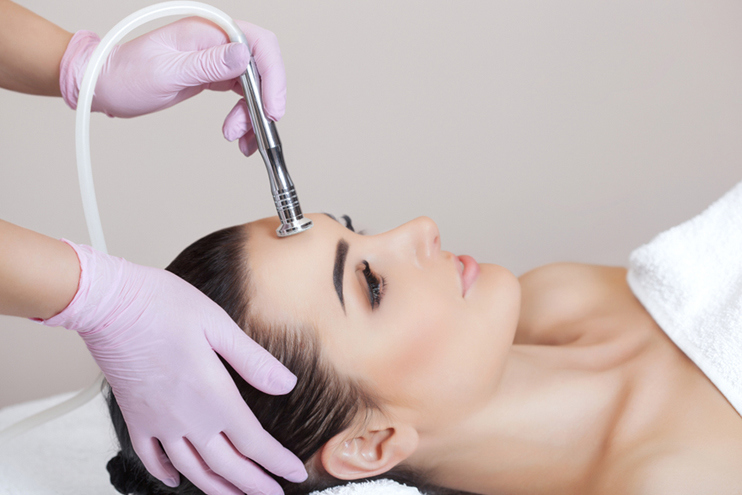
SeoJeong Dermatology's general approach to lifting and anti-aging combines Thermage, Ulthera, 3DEEP, and LinearZ, and treatment is selected for the individual's skin concerns rather than taken from a standard menu. Whether more than one treatment is appropriate for you, and in what order, is decided at consultation.
Safety, Precision, and Clinic Standards
The risks of this category depend on the technology used. Possible effects include discomfort, redness, swelling, and temporary numbness. Common side effects — temporary redness, swelling, tenderness, tingling, or numbness — often improve within hours to a few days, although some effects may last longer depending on the treatment. Burns, pigment changes, and nerve-related problems are less common but possible. RF microneedling in particular has been associated with serious complications, including burns, scarring, fat loss, disfigurement, and nerve damage. Risks differ by technology, which is one reason the device is chosen at consultation rather than requested from a price list.
Three things define how the clinic manages that risk in practice. Treatment planning is carried out by a Korean board-certified dermatologist. Each patient receives an individual skin assessment to select treatments suited to their needs. Consultation precedes the selection of any procedure or skin-care treatment. The clinic is a Registered Medical Institution for Attracting Foreign Patients, certified by the Ministry of Health and Welfare in compliance with the Medical Overseas Expansion and Foreign Patients Attraction Act, and its business registration number is 342-17-01916. Product-authenticity plaques are displayed on site for Discovery Pico, Mirajet, Olidia, Ionzyme, and LinearZ.
The general advice for anyone considering a cosmetic procedure applies here too. The UK's NHS states that all cosmetic procedures carry some risk, whether the procedure is surgical or non-surgical, and that they can lead to serious complications if they are not done correctly. Its guidance is to choose a reputable, safe and qualified practitioner who is trained and experienced in the procedure you are having, and to ask the practitioner about the procedure, the products they will use, and what could go wrong. Those are reasonable questions to bring to a consultation in Seoul, and they are questions this clinic expects.
If you are travelling for treatment
Patients treated outside their home country have an additional set of practical questions to settle before booking. NHS guidance on having cosmetic treatment abroad advises finding out what happens if there are complications, where follow-up appointments will be, and how easily you can travel back to the destination where you were treated. It also notes that overseas clinics may not provide follow-up treatment to the same standard, and advises asking whether the practitioner speaks a language you understand, because they need to be able to explain the procedure and understand your concerns. At SeoJeong Dermatology, a dedicated global coordinator provides English-language communication and international patients can contact the clinic directly with post-treatment questions after returning home.
Practical planning for a trip from the United States is straightforward for this category because the recovery is short. The arrival airport is Incheon International Airport, reached by non-stop flights of roughly 11 to 13 hours from the US West Coast and 14 to 16 hours from the East Coast, with departure hubs including Los Angeles, San Francisco, Seattle, New York, Chicago, and Atlanta. From Incheon, Seocho-gu is reached by airport limousine, taxi, or public transport. Arriving at least one day before the appointment is worth doing, to allow time for travel recovery and the consultation itself. South Korea uses Korea Standard Time, UTC+9. On entry requirements, US citizens are currently exempt from K-ETA only until 31 December 2026, and this may change from 1 January 2027; a digital e-Arrival Card has been mandatory for every entry since 1 January 2026. Confirm consultation availability, treatment duration, expected downtime, and any recommended follow-up with the clinic before booking flights.
The Bottom Line
Skin lifting and tightening uses ultrasound, radiofrequency, or selected laser energy to improve loose skin, firmness, and elasticity, with results that are usually more subtle than surgical lifting.
SeoJeong Dermatology uses Thermage, Ulthera, and 3DEEP for tightening and LinearZ for lifting, selected per patient at consultation.
The best candidates are healthy adults with mild to moderate laxity; substantial excess skin may need surgical assessment instead.
Recovery is usually 0 to 2 days, first changes appear within 2 to 6 weeks, and the fuller result develops over 2 to 6 months as collagen forms.
Results may last approximately 1 to 3 years, and maintenance treatments may be needed.
Frequently Asked Questions
Am I a good candidate for skin lifting and tightening?
Adults in good general health with mild to moderate loose skin who want modest improvement without surgery are the usual candidates. Results are generally less dramatic when there is substantial excess skin. Pregnancy, an active skin infection, and medical or medication-related contraindications may rule the treatment out, and severe laxity may need surgical assessment instead.
How long does a session take, and how many will I need?
Each session typically takes approximately 30 to 90 minutes. Some treatments require a single session, while laser-based treatments may require around three to five. The number depends on which device is selected for you, which is decided at consultation.
Is the treatment painful?
It is usually tolerable. You may feel warmth, tingling, or brief discomfort during the procedure, and how much depends on the device and on your own sensitivity. Numbing cream or other pain-control methods may be used if needed; topical, oral, local, or intravenous medication is available.
When will I see results, and how long will they last?
Initial improvement may appear within 2 to 6 weeks. More noticeable results generally develop over 2 to 6 months as collagen forms, and the full result depends on the technology used and your individual response. Results may last approximately 1 to 3 years, depending on the technology, your skin condition, and the ageing process.
What side effects should I expect?
Temporary redness, swelling, tenderness, tingling, or numbness are common and often improve within hours to a few days, although some effects may last longer depending on the treatment. Burns, pigment changes, and nerve-related problems are less common but possible, and RF microneedling has been associated with serious complications including burns, scarring, fat loss, disfigurement, and nerve damage.
How long do I need to stay in Korea, and when can I fly home?
Approximately 1 to 2 days, and you can fly home after 1 to 2 days. More intensive treatments may require longer recovery, so confirm your schedule at consultation before booking flights.
What should I do if something looks wrong after I am back home?
Contact the clinic directly by phone on +82-2-533-9300 or by email at info@seojeongclinic.com. International patient support is coordinated through the clinic's global coordinator, and patients can ask post-treatment questions directly.
Can I have the consultation in English?
Yes. International patients receive consultations in English at SeoJeong Dermatology, supported by a dedicated global coordinator who handles English-language communication and consultation arrangements.
Book a Consultation at SeoJeong Dermatology
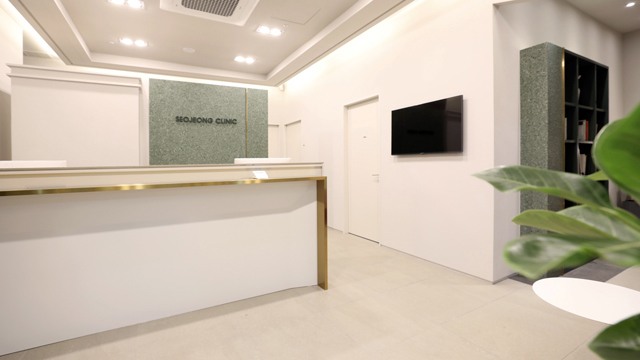
If you are considering skin lifting and tightening in Seoul, the next step is a consultation at which your skin is assessed and a suitable technique is selected and explained. SeoJeong Dermatology is at B-123, Lobby Floor, Acro Vista Arcade, 188 Seochojungang-ro, Seocho-gu, Seoul, South Korea. Opening hours are Monday and Thursday 09:30–19:30, Tuesday and Friday 09:30–18:30, and Saturday 09:30–15:00, with a lunch break from 12:30 to 13:30 Monday to Friday; the clinic is closed on Wednesday and Sunday. To arrange a consultation, call +82-2-533-9300 or email info@seojeongclinic.com.
Disclaimer
This page is for general information only and is not a substitute for individual medical advice, diagnosis, or treatment. Outcomes vary between individuals, and no specific result is guaranteed. Please consult a qualified medical professional about your own circumstances.
Sources & Further Reading
DermNet New Zealand — Skin ageing: intrinsic and extrinsic ageing, loss of elasticity, and facial rejuvenation options
NHS — Before you have a cosmetic procedure
NHS — Cosmetic surgery abroad — aftercare, follow-up and language when treated outside your home country
Related Services
Procedures available within our clinical departments.

Acne Care & Extraction
Acne care and extraction in Seoul is a non-surgical skin-care service addressing clogged pores, blackheads, whiteheads and selected acne lesions.
Learn More

3DEEP Needle RF
3DEEP Needle RF in Seoul is a radiofrequency-based treatment that delivers energy into targeted skin layers using a specialised device.
Learn More
Acne Laser & Light Therapy
Acne laser and light therapy in Seoul uses selected laser or light-based devices to help manage certain types of acne.
Learn More