Personalized Medical Care & Dedicated International Patient Concierge


Botox & Dermal Fillers · Needs Clinic Confirmation
Wrinkle Botox
Wrinkle Botox in Seoul involves injecting botulinum toxin into selected facial muscles to temporarily reduce muscle activity and soften dynamic wrinkles, particularly forehead lines, frown lines and crow's feet.
Schedule a ConsultationWrinkle Botox
Medically reviewed by Dr. Lee Jiyoung, Board-Certified Dermatologist
Wrinkle Botox in Seoul involves injecting botulinum toxin into selected facial muscles to temporarily reduce muscle activity and soften dynamic wrinkles, particularly forehead lines, frown lines and crow's feet. It is offered at SeoJeong Dermatology in Seocho-gu. Results depend on the treated area, the dose and individual muscle activity.
What Is Wrinkle Botox?
Wrinkle Botox is the injection of botulinum toxin into selected facial muscles to temporarily reduce muscle activity. Because the target is muscle movement rather than the skin surface, the treatment addresses one specific kind of line and not the others.
The lines treated are dynamic: produced by repeated muscle movement rather than by volume loss or slack skin.
The usual areas are forehead lines, frown lines between the eyebrows, and crow's feet at the outer corners of the eyes.
The effect is temporary by design, and repeat treatment maintains it.
A session commonly takes roughly 15 to 45 minutes depending on the areas treated.
The treatment does not remove every wrinkle, does not replace a facelift, and does not reliably correct loose skin or volume loss.
A patient whose main concern is sagging or hollowing is looking at a different problem, and injecting a muscle relaxant into it will not help.
The mechanism is well characterised. DermNet explains that botulinum toxin is an injectable muscle relaxant, and that in order to contract, a muscle must receive the neurotransmitter acetylcholine from peripheral nerve endings; botulinum toxin inhibits the release of acetylcholine and therefore inhibits muscle contraction. It adds that the effects are not permanent because the affected nerves sprout new endings, and that after around three months a working connection between the nerve and muscle is re-established.
The anatomy behind each treated area is equally specific. DermNet attributes horizontal forehead lines to contraction of the frontalis muscle; the vertical lines between the eyebrows to the procerus and corrugator supercilii muscles, the muscles involved in frowning; and the lines branching from the outer corners of the eyes to the orbicularis oculi, the muscle used when smiling. It also distinguishes rhytides caused by muscle movement, called dynamic rhytides, from static rhytides that do not change with muscle movement — which is exactly the distinction that decides whether this treatment is the right one.
One point about dose is worth understanding before comparing quotes between clinics or countries. DermNet notes that there is no standardised international unit that can be used to compare or to measure the amount of botulinum toxin administered, so the effect of one unit of one brand differs from one unit of another; it gives an approximate conversion factor of 1:2.5 to 1:5 between two of the commonly available products, and 1:1 between two others. A number of units therefore means nothing on its own, and comparing "how many units" across clinics without knowing the product is comparing two different quantities. The product used at any appointment is confirmed at the consultation.
Who Performs Wrinkle Botox at SeoJeong Dermatology
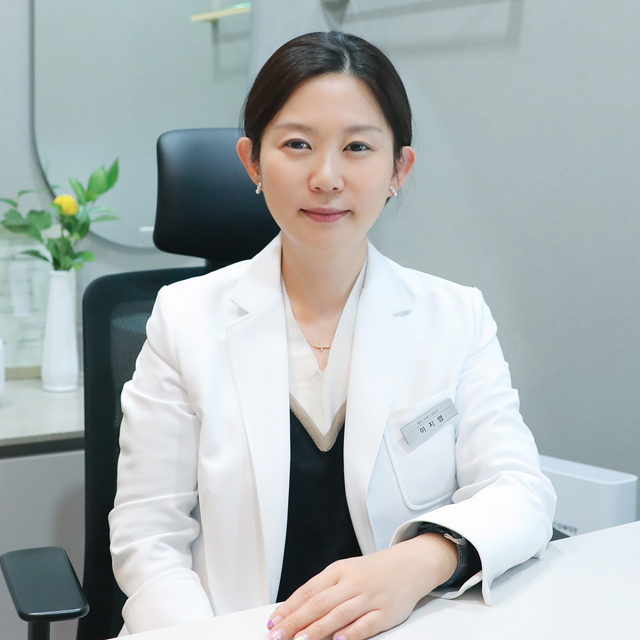
Dr. Lee Jiyoung
Board-certified Dermatologist
Assessment and treatment are carried out by Dr. Lee Jiyoung, Chief Director of SeoJeong Dermatology and a board-certified dermatologist in South Korea with more than 20 years of clinical experience. Her medical education and her dermatology specialist training were both completed in South Korea, and she holds an ECFMG certificate.
The consultation reviews medical history, current medications, allergies, previous cosmetic treatments and the patient's specific concerns about wrinkles. The facial skin and the muscle movements are then assessed — the second of those is the part that cannot be skipped, because the treatment plan follows which muscles are actually producing the lines. Expected results, possible risks, side effects and alternative treatments are explained before informed consent is obtained.
Before establishing the clinic in April 2022, she was Director at Cheongdam Lee Ji-ham Dermatology Clinic, at B&C Dermatology Clinic's Gangnam branch, and at CU Cleanup Dermatology Clinic's Yeongdeungpo branch. She is a regular member of the Korean Dermatological Association, the Korean Association of Dermatologists, the Korean Academy of Anti-Aging Dermatology, the Korean Acne Society, and the Korean Atopic Dermatitis Association. SeoJeong Dermatology is a single-physician clinic, and a dedicated global coordinator supports international patients with English-language communication.
Treatment is carried out under the direction of Dr. Lee Jiyoung; this page does not claim that one specific doctor personally performs every session of this service.
Who Is a Good Candidate for Wrinkle Botox?
This treatment may suit:
Adults with dynamic wrinkles caused by repeated muscle movements.
Patients who want temporary improvement rather than a permanent change.
Patients with realistic expectations about the degree of softening.
Suitability depends on facial anatomy, medical history and the clinician's assessment together.
Treatment should not be given to:
People with a known allergy to the product.
People with an active infection at the planned injection site.
A qualified medical professional should determine whether treatment is appropriate for:
People who are pregnant or breastfeeding.
People with neuromuscular disorders.
People with swallowing or breathing difficulties.
Certain medications may also increase the risk of side effects, which is why the medication review at consultation is specific rather than general. DermNet notes that medications enhancing the effects of botulinum toxin, including tetracycline and aminoglycoside antibiotics, should be avoided, and that blood thinners — among them aspirin, warfarin and dabigatran — increase the risk of significant bruising from injection sites. It lists pre-existing conditions causing muscle weakness, such as motor neurone disease and myasthenia gravis, among the contraindications, alongside infection overlying the injection site and previous allergic or hypersensitive reactions.
What to Expect: Procedure, Recovery, and Results Timeline
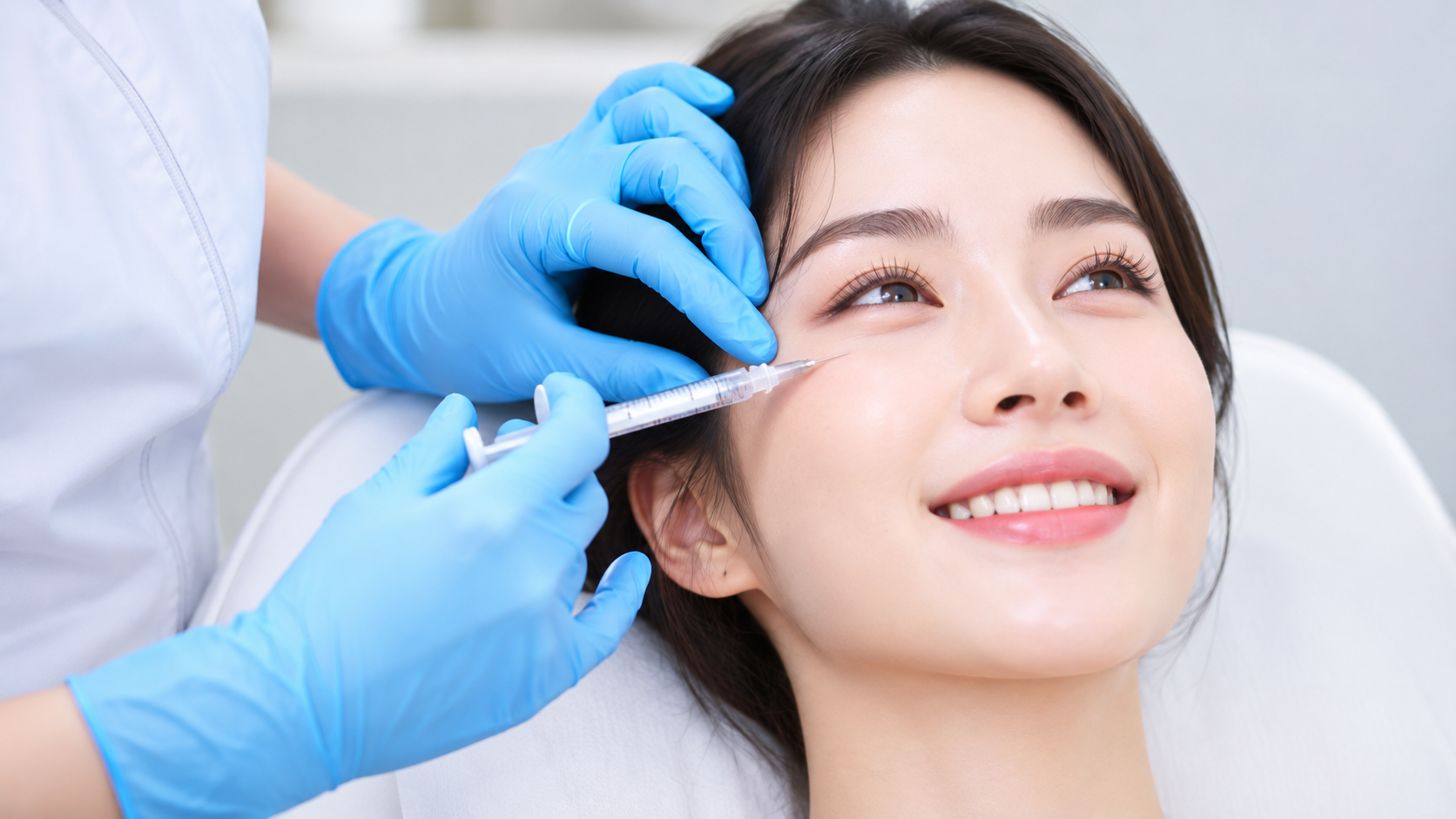
The session follows six steps. The treatment area is cleaned. The facial muscles are assessed and the wrinkles to be treated identified. Injection points are marked if needed. Small amounts of product are injected into the selected muscles using a fine needle. The treated areas are checked and aftercare instructions given. The patient then returns to normal daily activities, following the clinician's advice.
General anaesthesia is usually not required for this treatment.
Stage | What happens |
|---|---|
Session length | Roughly 15 to 45 minutes, depending on areas treated |
Days 0 to 3 | Temporary swelling, redness, small bruises, tenderness or lumps at injection points; headache may occur |
3 to 7 days | The effect typically begins |
About 2 weeks | Full effect is reached |
3 to 4 months | Results commonly last this long, sometimes up to six |
Before treatment, disclose all medicines, supplements, allergies, medical conditions, pregnancy or breastfeeding status, and previous botulinum toxin treatments. Do not stop prescribed medicines without medical advice, and ask the clinician whether any medication or activity changes are appropriate.
Afterwards, avoid rubbing or pressing the area, intense exercise, sauna and alcohol for the period advised. Contact the clinic immediately for severe pain, skin colour change or vision problems.
There is a reason not to treat more often than the plan allows. DermNet notes that in rare instances the body's immune system may respond to botulinum-A injections by producing antibodies that attempt to neutralise the effect, that the main risk factor is the frequency of injections, and that injections generally should not be given more frequently than once every eight to twelve weeks. Asking for a top-up early is therefore not a neutral request.
Combining Wrinkle Botox with Other Treatments
Botulinum toxin may sometimes be combined with other cosmetic treatments, such as fillers or selected skin treatments, when clinically appropriate. The judgement is about what each treatment is for: a muscle relaxant and a volume filler address different causes, and combining them is useful only when both causes are present. Injectable volume options are described on the Botox & Dermal Fillers page.
The alternatives are a map of causes rather than a menu. Topical skincare products offer modest improvement in fine lines; resurfacing treatments address selected skin-texture concerns; energy-based treatments address certain skin-laxity concerns; and fillers address appropriate volume-loss indications. These treatments work differently and are not interchangeable, and selection depends on the cause of the wrinkles and on clinical assessment. Skin-laxity options are set out under Skin Lifting & Tightening, and texture work under Pore & Skin Texture Treatment.
Safety, Precision, and Clinic Standards
The documented risks are injection-site pain, redness, bruising, headache, and temporary eyelid or brow drooping, facial asymmetry or unwanted muscle weakness. Rarely, toxin effects may spread and cause swallowing, speaking or breathing difficulties; these symptoms require immediate medical attention.
DermNet describes the same pattern from the published literature: the most common adverse effects relate to the injection rather than the toxin itself — pain, bruising, swelling and redness at the injection site — while unintended weakness of surrounding muscles occurs in fewer than ten per cent of treatments, can affect the eyelids, brows and lips, and can persist for up to twelve weeks. It also notes that some people experience a mild headache two to four hours after injection into forehead muscles.
The NHS states that all cosmetic procedures carry some risk, whether surgical or non-surgical, and that they can lead to serious complications if not done correctly. Its advice is to choose a reputable, safe and qualified practitioner trained and experienced in the procedure you are having, and to ask about the procedure, the products used, and what could go wrong.
At SeoJeong Dermatology, treatment planning is carried out by a Korean board-certified dermatologist, each patient receives an individual skin assessment to select treatments suited to their needs, and consultation precedes the selection of any procedure. The clinic is a Registered Medical Institution for Attracting Foreign Patients, certified by the Ministry of Health and Welfare in compliance with the Medical Overseas Expansion and Foreign Patients Attraction Act; its business registration number is 342-17-01916.
NHS guidance on having cosmetic treatment abroad advises finding out what happens if there are complications, where follow-up appointments will be, and how easily you could travel back to the destination where you were treated. It notes that overseas clinics may not provide follow-up treatment to the same standard, and advises asking whether the practitioner speaks a language you understand, since they need to be able to explain the procedure and understand your concerns.
The Bottom Line
Botulinum toxin temporarily blocks the nerve signal that makes a muscle contract, softening lines caused by movement.
It treats dynamic wrinkles; it does not correct loose skin or volume loss and does not replace a facelift.
Allergy to the product and active infection at the injection site rule treatment out; neuromuscular conditions, pregnancy and certain medications need medical assessment.
The effect begins in about three to seven days, peaks at about two weeks, and commonly lasts three to four months.
Difficulty swallowing, speaking or breathing after treatment requires immediate medical attention.
Frequently Asked Questions
How soon will I see the effect, and how long will it last?
The effect typically begins in about three to seven days and reaches full effect in about two weeks. Results commonly last about three to four months, sometimes up to six, and repeat treatment maintains the effect.
How long does the appointment take?
Injection sessions commonly take roughly 15 to 45 minutes depending on the areas treated. General anaesthesia is usually not required.
What side effects should I expect in the first few days?
Temporary swelling, redness, small bruises, tenderness or lumps at the injection points, and possibly a headache. These are the expected reactions rather than complications.
What should I avoid afterwards?
Rubbing or pressing the treated area, intense exercise, sauna and alcohol for the period advised by the clinician.
When should I seek urgent medical attention?
For severe pain, skin colour change or vision problems, and for any difficulty swallowing, speaking or breathing. The last of these is rare but needs immediate attention rather than a wait-and-see approach.
Will it work on lines that are there when my face is still?
Not reliably. This treatment targets lines produced by muscle movement. Lines present at rest, loose skin and volume loss have different causes and different treatments.
Can I have this treatment while pregnant or breastfeeding?
That requires assessment by a qualified medical professional. Pregnancy and breastfeeding are among the circumstances where suitability is decided individually rather than assumed.
Can I have the consultation in English?
Yes. International patients receive consultations in English at SeoJeong Dermatology, supported by a dedicated global coordinator who handles English-language communication and consultation arrangements.
Book a Consultation at SeoJeong Dermatology
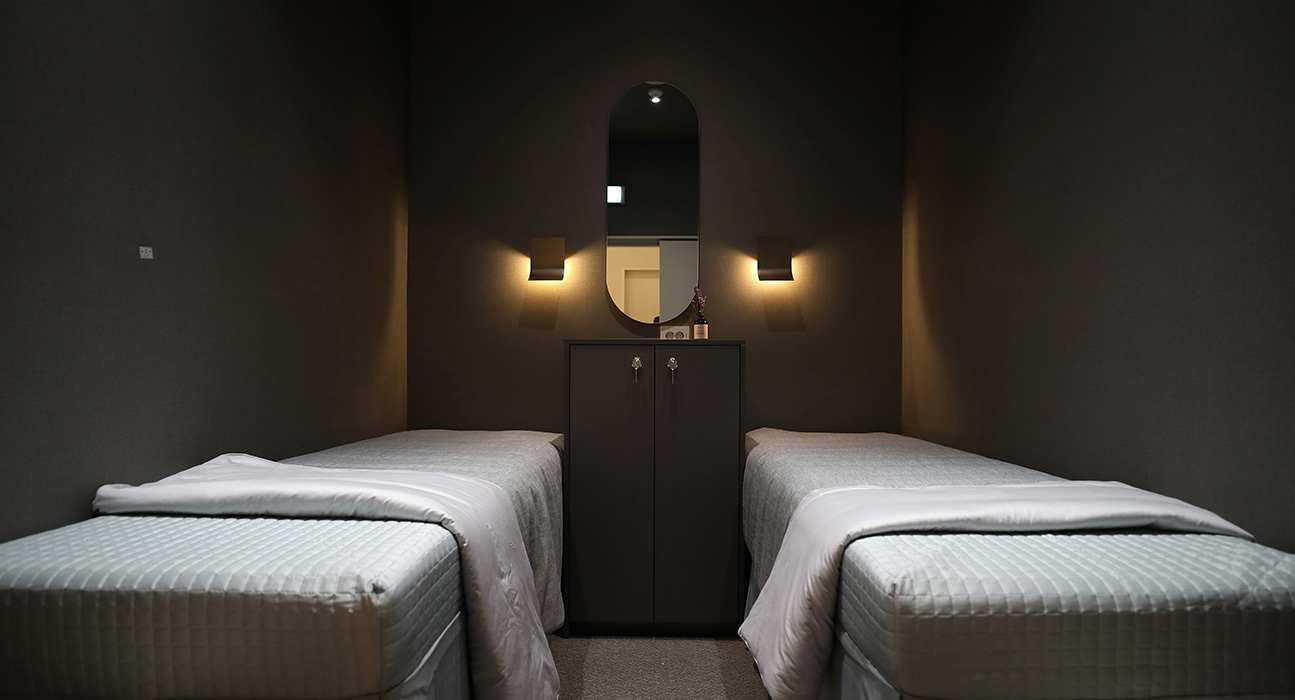
The assessment that matters is of the muscles, not the lines: which movements are producing them, and whether softening those movements will give the patient what they came for. SeoJeong Dermatology is at B-123, Lobby Floor, Acro Vista Arcade, 188 Seochojungang-ro, Seocho-gu, Seoul, South Korea. Opening hours are Monday and Thursday 09:30–19:30, Tuesday and Friday 09:30–18:30, and Saturday 09:30–15:00, with a lunch break from 12:30 to 13:30 Monday to Friday; the clinic is closed on Wednesday and Sunday. To arrange a consultation, call +82-2-533-9300 or email info@seojeongclinic.com.
Incheon International Airport is roughly 11 to 13 hours' non-stop flight from the US West Coast and 14 to 16 hours from the East Coast, with departure hubs including Los Angeles, San Francisco, Seattle, New York, Chicago, and Atlanta; Seocho-gu is reached from Incheon by airport limousine, taxi, or public transport. Arriving at least one day before the appointment allows time for travel recovery and the consultation. Korea Standard Time is UTC+9. US citizens are currently exempt from K-ETA only until 31 December 2026, which may change from 1 January 2027, and a digital e-Arrival Card has been mandatory for every entry since 1 January 2026.
Disclaimer
This page is for general information only and is not a substitute for individual medical advice, diagnosis, or treatment. Outcomes vary between individuals, and no specific result is guaranteed. Please consult a qualified medical professional about your own circumstances.
Sources & Further Reading
DermNet — Botulinum toxin — how the toxin blocks acetylcholine release, the muscles behind forehead, glabellar and periorbital lines, contraindications and interacting medications, injection interval, and documented adverse effects
NHS — Before you have a cosmetic procedure — risks of surgical and non-surgical procedures, and choosing a practitioner
NHS — Cosmetic surgery abroad — complications, follow-up and language when treated outside your home country
Other Services
Explore additional treatments offered by our specialists.

Wart & Corn Cryotherapy
Wart and corn cryotherapy in Seoul is a treatment at SeoJeong Dermatology in Seocho-gu that uses an extremely cold substance, usually liquid nitrogen, to destroy wart tissue.
Learn More

Thermage Skin Tightening
Thermage skin tightening in Seoul is a non-surgical treatment that uses radiofrequency energy to heat deeper skin tissue and support collagen remodeling.
Learn More
Re2O Skin Booster
Re2O skin booster in Seoul is a skin booster based on human-derived acellular dermal matrix, used in aesthetic treatments intended to improve skin texture and firmness.
Learn More