Personalized Medical Care & Dedicated International Patient Concierge


Skin Boosters & Rejuvenation · Needs Clinic Confirmation
Water-Glow Hydrating Injection
Water-Glow hydrating injection in Seoul is a non-surgical aesthetic treatment that involves injecting a hydrating formulation into the skin, usually through multiple small injections.
Schedule a ConsultationWater-Glow Hydrating Injection
Medically reviewed by Dr. Lee Jiyoung, Board-Certified Dermatologist
Water-Glow hydrating injection in Seoul is a non-surgical aesthetic treatment that involves injecting a hydrating formulation into the skin, usually through multiple small injections. At SeoJeong Dermatology in Seocho-gu, the treatment aims to improve skin hydration, smoothness and the appearance of a dewy glow.
What Is Water-Glow Hydrating Injection?
The treatment places a hydrating formulation into the skin itself rather than onto it, through a series of small injections across the planned area.
Formulations may contain hyaluronic acid or other skin-conditioning ingredients, depending on the product used.
The aims are skin hydration, smoothness, and the appearance of a dewy glow.
A session may take approximately 20 to 45 minutes including preparation and injections, with consultation and numbing adding time.
Some patients have one session, while others may be offered a course of treatments.
The product used, its ingredients and the injection areas are confirmed before consent is obtained.
The limits are equally specific: the treatment does not reliably correct deep wrinkles, significant skin laxity, or marked pigmentation, and results are not guaranteed. Results depend on the formulation, the injection technique, the baseline skin condition and individual response.
Where the formulation is hyaluronic-acid based, the properties of that ingredient explain what the treatment is trying to do. DermNet describes hyaluronic acid as a natural glycosaminoglycan found in all living organisms, present in soft connective tissue and in skin tissue, where it is a jelly-like substance filling the space between collagen and elastin fibres. It lists its roles in the skin as producing a stable viscoelastic network that binds collagen and elastin fibres, transporting essential nutrients from the bloodstream to living skin cells, hydrating the skin, and acting as a cushioning and lubricating agent against mechanical and chemical damage.
The same source explains why the supply changes with time: over time, either through the natural process of skin ageing or through exposure to environmental factors such as pollutants and sunlight, the body's natural store of hyaluronic acid is degraded and destroyed, resulting in disorganised clumps of collagen and elastin. It also notes that allergy to hyaluronic acid is very rare, because it is chemically identical within and between species.
Who Performs Water-Glow Hydrating Injection at SeoJeong Dermatology
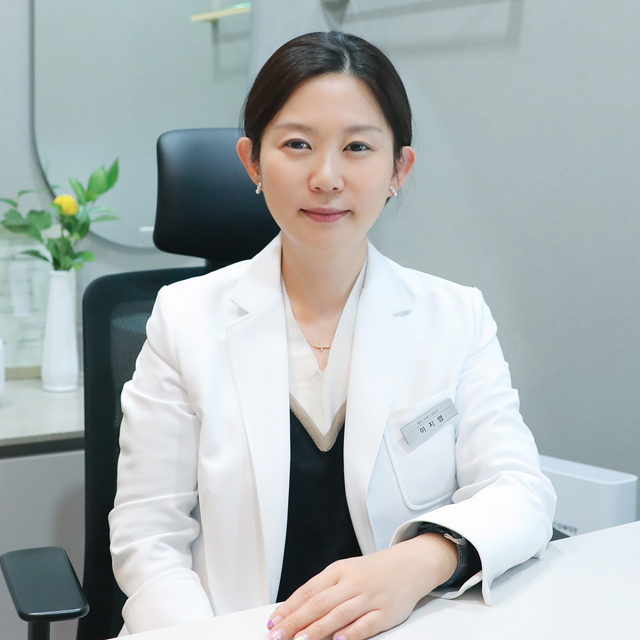
**Dr. Lee Jiyoung
**Board-certified Dermatologist
Assessment and treatment are carried out by Dr. Lee Jiyoung, Chief Director of SeoJeong Dermatology and a board-certified dermatologist in South Korea with more than 20 years of clinical experience. Her medical education and her dermatology specialist training were both completed in South Korea, and she holds an ECFMG certificate.
The consultation reviews skin concerns, medical history, allergies, medications, previous cosmetic procedures and treatment goals. The skin is examined and the practitioner identifies whether a hydrating injection is appropriate at all. The exact product, its ingredients, the injection areas, the expected benefits, the limitations, alternatives, costs and potential risks are discussed before consent is obtained.
Before establishing the clinic in April 2022, she was Director at Cheongdam Lee Ji-ham Dermatology Clinic, at B&C Dermatology Clinic's Gangnam branch, and at CU Cleanup Dermatology Clinic's Yeongdeungpo branch. She is a regular member of the Korean Dermatological Association, the Korean Association of Dermatologists, the Korean Academy of Anti-Aging Dermatology, the Korean Acne Society, and the Korean Atopic Dermatitis Association. SeoJeong Dermatology is a single-physician clinic, and a dedicated global coordinator supports international patients with English-language communication.
Treatment is carried out under the direction of Dr. Lee Jiyoung; this page does not claim that one specific doctor personally performs every session of this service.
Who Is a Good Candidate for Water-Glow Hydrating Injection?
This treatment may suit:
Adults with dehydrated or dull-looking skin.
Adults with uneven skin texture.
Adults with mild fine lines.
Patients with realistic expectations who understand the risks of injections.
Candidates should be medically assessed for the specific product and the specific treatment area, rather than for the treatment in general.
Treatment may need to be postponed for:
Active skin infections in the intended area.
Inflammation in the intended area.
Open wounds in the intended area.
Careful medical assessment is required for:
People with known allergies to the product ingredients.
People with certain bleeding disorders.
People with a history of serious allergic reactions.
Safety during pregnancy or breastfeeding may not be established for the specific injectable, which is a reason to ask about the individual product rather than to assume either way.
What to Expect: Procedure, Recovery, and Results Timeline
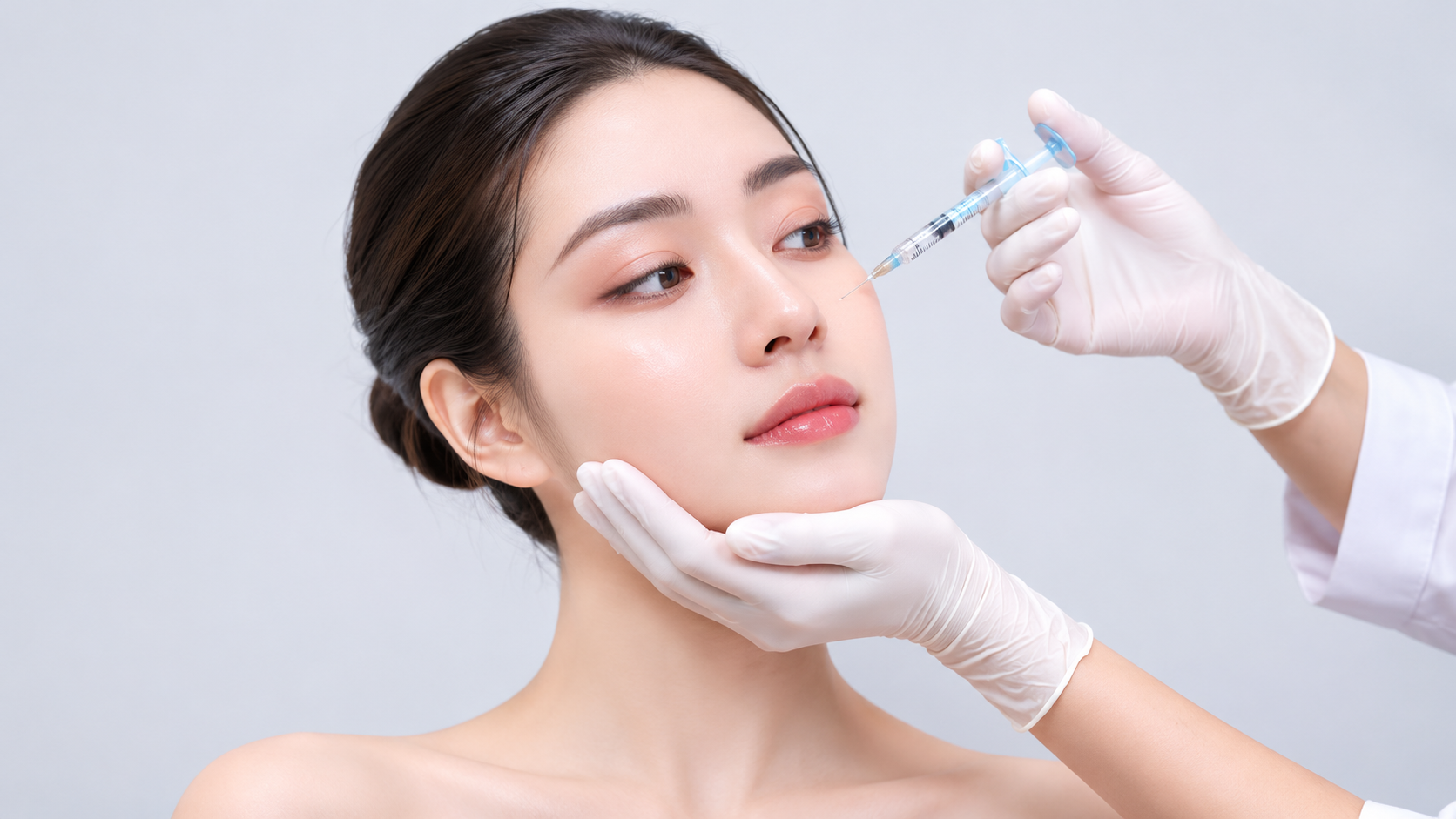
The session has five steps: discussing skin concerns and confirming suitability; cleansing the treatment area; applying topical numbing cream if appropriate; administering small injections into the planned skin areas using the product's recommended technique; and checking the treated area before giving aftercare instructions.
Topical numbing cream may be used to reduce discomfort. Patients may feel brief pinpricks, stinging, pressure or mild burning during the injections.
Stage | What happens |
|---|---|
Session length | Approximately 20 to 45 minutes, plus consultation and numbing |
Same day | Many patients resume routine activities if they feel well |
1 to 3 days | Redness, swelling, small injection marks and tenderness often improve |
Longer | Bruising or swelling may persist beyond that |
Several days | An initial hydrated or glowing appearance may be noticeable |
1 to 4 weeks | Changes in skin texture become assessable |
Duration varies substantially with the formulation, the skin condition and the treatment plan. Some superficial hyaluronic-acid hydration treatments may have relatively short-lived effects, and repeat sessions may be suggested — a point worth establishing before the first appointment rather than after it.
Before treatment, tell the practitioner about allergies, medical conditions, pregnancy or breastfeeding, current medications, bleeding problems, previous reactions to injectables, and recent cosmetic procedures. Ask whether any specific preparation is required for the product. Do not stop prescribed medication without advice from the prescribing healthcare professional.
Afterwards, follow the practitioner's product-specific instructions and avoid rubbing, pressing or massaging the treated area unless specifically advised. The practitioner may recommend temporarily avoiding strenuous exercise, saunas, excessive heat and alcohol for around 24 hours, depending on the treatment. Use gentle skincare and sun protection.
Two details in that aftercare are product-specific rather than general, and they are the ones patients most often get wrong by following advice found elsewhere. The first is massage: some injectable products are intended to be massaged after placement and others must not be, so a single rule copied from another treatment can work against this one. The second is the 24-hour list — exercise, saunas, heat and alcohol — which the practitioner may extend or relax depending on what was used and how much. Asking which version applies, at the end of the appointment, takes a minute and removes the guesswork from the week that follows.
Combining Water-Glow Hydrating Injection with Other Treatments
Hydrating injections may sometimes be included in a broader aesthetic plan involving skincare, laser treatments, microneedling or other injectables. Combining treatments should be based on clinical assessment and on the instructions for each product. The safety of every combination, sequence and interval should not be assumed; the practitioner establishes appropriate timing and explains the additional risks.
The documented alternatives are topical moisturisers and barrier-supporting skincare, other hyaluronic-acid skin boosters, selected polynucleotide-based injectables, and certain laser or microneedling treatments. Topical skincare avoids injection-related risks but works differently. Other injectables have different ingredients, evidence, indications and risks. Which option fits depends on the main concern: dehydration, texture, pigmentation, wrinkles or skin laxity.
Where the concern turns out to be pigment rather than hydration, the relevant treatments are set out under Pigmentation & Redness Treatment.
Where it is texture, they are described under Pore & Skin Texture Treatment.
Where it is laxity, the energy-based options appear under Skin Lifting & Tightening.
Safety, Precision, and Clinic Standards
The common temporary effects are redness, swelling, bruising, tenderness, small injection-site bumps, and discomfort. Less common complications include infection, persistent lumps, inflammatory reactions, and allergic reactions.
One risk needs stating plainly rather than in a list. If the product behaves as a dermal filler, accidental injection into a blood vessel can cause serious tissue damage and, rarely, visual impairment or stroke. Seek urgent medical attention for unusual severe pain, skin turning white or blue-grey, vision changes, or rapidly worsening symptoms. These are not symptoms to observe at home.
DermNet's account of hyaluronic acid treatment names the facial danger zones as the glabella and brow, the temporal region, the perioral region, the nasolabial fold, the nose, and the infraorbital region, and notes that hyaluronic acid can be removed by an enzymatic reaction using hyaluronidase, which may be required acutely if an injection induces vascular occlusion.
The NHS states that all cosmetic procedures carry some risk, whether surgical or non-surgical, and that they can lead to serious complications if not done correctly. Its advice is to choose a reputable, safe and qualified practitioner trained and experienced in the procedure you are having, and to ask about the procedure, the products used, and what could go wrong.
At SeoJeong Dermatology, treatment planning is carried out by a Korean board-certified dermatologist, each patient receives an individual skin assessment to select treatments suited to their needs, and consultation precedes the selection of any procedure. The clinic is a Registered Medical Institution for Attracting Foreign Patients, certified by the Ministry of Health and Welfare in compliance with the Medical Overseas Expansion and Foreign Patients Attraction Act; its business registration number is 342-17-01916.
NHS guidance on having cosmetic treatment abroad advises finding out what happens if there are complications, where follow-up appointments will be, and how easily you could travel back to the destination where you were treated. It notes that overseas clinics may not provide follow-up treatment to the same standard, and advises asking whether the practitioner speaks a language you understand, since they need to be able to explain the procedure and understand your concerns.
The Bottom Line
Small injections place a hydrating formulation into the skin, aiming at hydration, smoothness and radiance.
It does not reliably correct deep wrinkles, significant skin laxity or marked pigmentation.
Effects may be relatively short-lived with some superficial formulations, and repeat sessions may be suggested.
Redness, swelling and small injection marks usually improve over one to three days.
Severe pain, skin turning white or blue-grey, or vision changes need urgent medical attention.
Frequently Asked Questions
What will it actually change?
The treatment may improve the appearance of skin hydration, smoothness and radiance, and may soften the appearance of some fine lines. It is not a treatment for deep wrinkles, laxity or marked pigmentation.
How long does a session take?
Approximately 20 to 45 minutes including preparation and injections, with consultation and numbing adding to the visit.
Does it hurt?
Topical numbing cream may be used. Patients may feel brief pinpricks, stinging, pressure or mild burning during the injections.
How soon will I see something?
An initial hydrated or glowing appearance may be noticeable within several days, while changes in skin texture may take one to four weeks to assess.
How long does it last?
Duration varies substantially with the formulation, skin condition and treatment plan. Some superficial hyaluronic-acid hydration treatments have relatively short-lived effects, and repeat sessions may be suggested.
What should I avoid afterwards?
Rubbing, pressing or massaging the treated area unless specifically advised, and — depending on the treatment — strenuous exercise, saunas, excessive heat and alcohol for around 24 hours.
What symptoms need urgent attention?
Unusual severe pain, skin turning white or blue-grey, vision changes, or rapidly worsening symptoms.
Can I have the consultation in English?
Yes. International patients receive consultations in English at SeoJeong Dermatology, supported by a dedicated global coordinator who handles English-language communication and consultation arrangements.
Book a Consultation at SeoJeong Dermatology
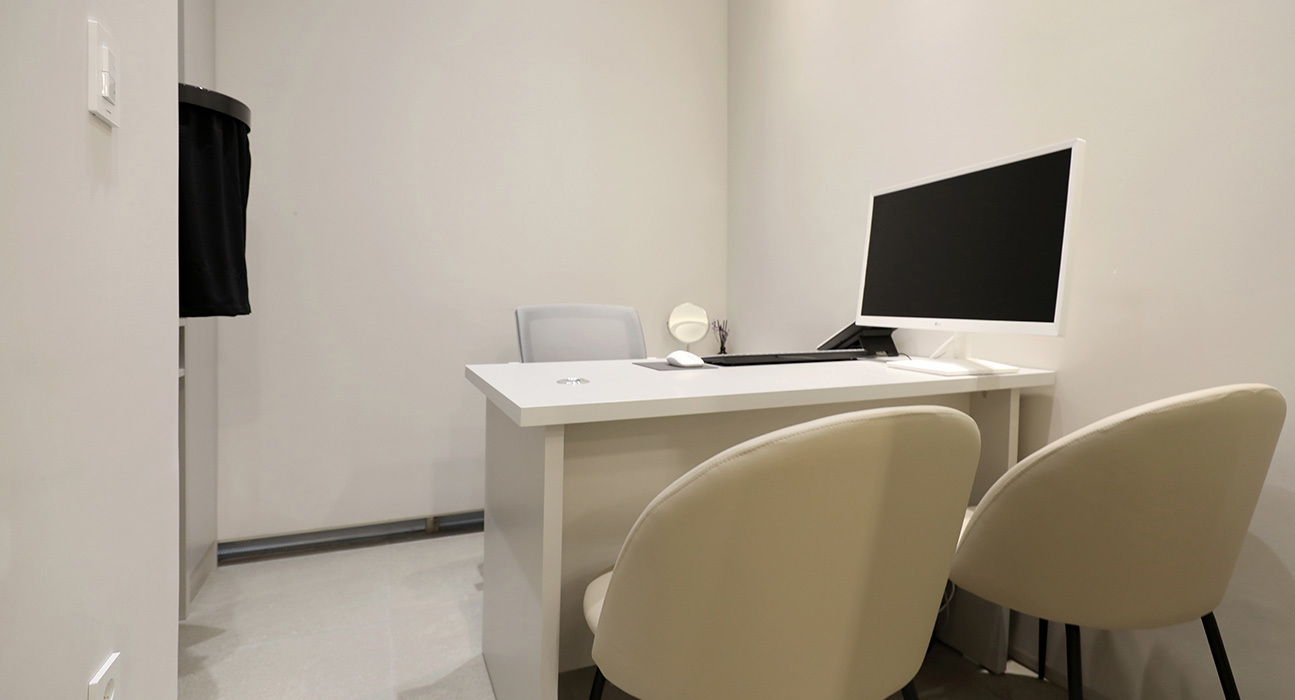
The question the consultation answers first is whether dehydration is really the problem, because an injection aimed at hydration will not fix a concern that is about texture, pigment or laxity. SeoJeong Dermatology is at B-123, Lobby Floor, Acro Vista Arcade, 188 Seochojungang-ro, Seocho-gu, Seoul, South Korea. Opening hours are Monday and Thursday 09:30–19:30, Tuesday and Friday 09:30–18:30, and Saturday 09:30–15:00, with a lunch break from 12:30 to 13:30 Monday to Friday; the clinic is closed on Wednesday and Sunday. To arrange a consultation, call +82-2-533-9300 or email info@seojeongclinic.com.
Incheon International Airport is roughly 11 to 13 hours' non-stop flight from the US West Coast and 14 to 16 hours from the East Coast, with departure hubs including Los Angeles, San Francisco, Seattle, New York, Chicago, and Atlanta; Seocho-gu is reached from Incheon by airport limousine, taxi, or public transport. Arriving at least one day before the appointment allows time for travel recovery and the consultation. Korea Standard Time is UTC+9. US citizens are currently exempt from K-ETA only until 31 December 2026, which may change from 1 January 2027, and a digital e-Arrival Card has been mandatory for every entry since 1 January 2026.
Disclaimer
This page is for general information only and is not a substitute for individual medical advice, diagnosis, or treatment. Outcomes vary between individuals, and no specific result is guaranteed. Please consult a qualified medical professional about your own circumstances.
Sources & Further Reading
DermNet — Hyaluronic acid implant — what hyaluronic acid does in the skin, how the natural store is degraded with age and environmental exposure, the rarity of allergy, facial danger zones, and enzymatic removal in vascular occlusion
NHS — Before you have a cosmetic procedure — risks of surgical and non-surgical procedures, and choosing a practitioner
NHS — Cosmetic surgery abroad — complications, follow-up and language when treated outside your home country
Other Services
Explore additional treatments offered by our specialists.

Wart & Corn Cryotherapy
Wart and corn cryotherapy in Seoul is a treatment at SeoJeong Dermatology in Seocho-gu that uses an extremely cold substance, usually liquid nitrogen, to destroy wart tissue.
Learn More

Thermage Skin Tightening
Thermage skin tightening in Seoul is a non-surgical treatment that uses radiofrequency energy to heat deeper skin tissue and support collagen remodeling.
Learn More
Re2O Skin Booster
Re2O skin booster in Seoul is a skin booster based on human-derived acellular dermal matrix, used in aesthetic treatments intended to improve skin texture and firmness.
Learn More