Personalized Medical Care & Dedicated International Patient Concierge


Medical Dermatology · Needs Clinic Confirmation
Wart & Corn Cryotherapy
Wart and corn cryotherapy in Seoul is a treatment at SeoJeong Dermatology in Seocho-gu that uses an extremely cold substance, usually liquid nitrogen, to destroy wart tissue.
Schedule a ConsultationWart & Corn Cryotherapy
Medically reviewed by Dr. Lee Jiyoung, Board-Certified Dermatologist
Wart and corn cryotherapy in Seoul is a treatment at SeoJeong Dermatology in Seocho-gu that uses an extremely cold substance, usually liquid nitrogen, to destroy wart tissue. The treated tissue may blister, form a scab, and gradually heal. It is a short procedure with a longer aftermath, and knowing the shape of that aftermath in advance is most of what makes it manageable.
What Is Wart & Corn Cryotherapy?
Freezing is a destructive treatment applied deliberately and in a controlled way, and the detail of how it works explains both its effectiveness and its side effects.
Liquid nitrogen is applied to the lesion using a suitable applicator or spray device.
The equipment and application method depend on the lesion type, size and location.
Freezing itself usually takes less than one minute per application.
The appointment takes longer, for assessment and preparation.
More than one visit may be needed, commonly spaced 2 to 4 weeks apart for warts.
DermNet describes cryotherapy as a minimally-invasive treatment that freezes skin surface lesions using extremely cold liquid or instruments, and notes that liquid nitrogen is the most common and effective cryogen for clinical use at a temperature of −196 °C. Its account of the mechanism is that the cryogen cools the targeted lesion to sub-zero temperatures causing direct tissue necrosis, and that the thawing process induces osmolarity changes which also result in tissue damage.
The technique itself is more precise than "spray it and see". DermNet describes the standard timed spot freeze technique as positioning the spray gun 1 to 1.5 cm above the centre of the lesion and spraying until an ice ball encompasses the lesion and the required margin, with the ice field then maintained for 5 to 30 seconds depending on the lesion and the depth of freeze; in some cases the treatment is repeated once thawing is complete, which is known as a double freeze-thaw. It lists cryotherapy's appeal as being inexpensive, simple, relatively safe, and quick to perform in an outpatient setting.
Who Performs Wart & Corn Cryotherapy at SeoJeong Dermatology
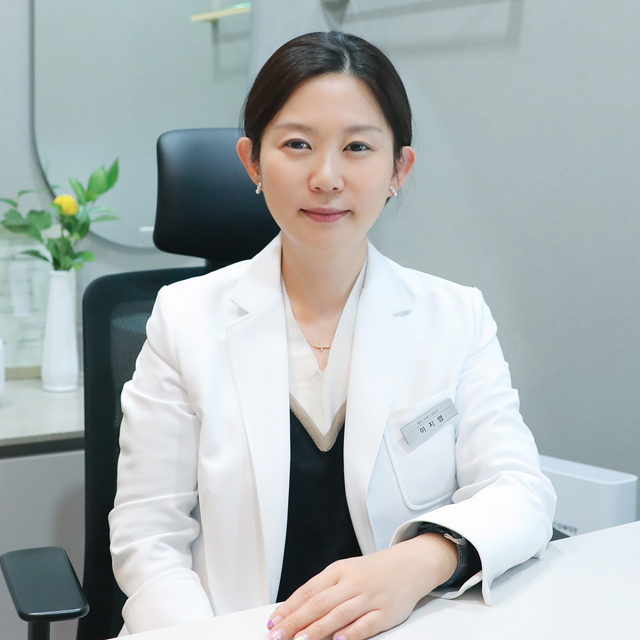
Dr. Lee Jiyoung
Board-certified Dermatologist
Assessment and treatment are carried out by Dr. Lee Jiyoung, Chief Director of SeoJeong Dermatology and a board-certified dermatologist in South Korea with more than 20 years of clinical experience. Her medical education and her dermatology specialist training were both completed in South Korea, and she holds an ECFMG certificate.
The provider examines the lesion, reviews symptoms and medical history, and determines whether it is a wart, a corn, or another skin condition before recommending treatment. That determination is the point of the appointment rather than a formality, and the clinic's wider diagnostic work is described on the Medical Dermatology page.
Before establishing the clinic in April 2022, she was Director at Cheongdam Lee Ji-ham Dermatology Clinic, at B&C Dermatology Clinic's Gangnam branch, and at CU Cleanup Dermatology Clinic's Yeongdeungpo branch. She is a regular member of the Korean Dermatological Association, the Korean Association of Dermatologists, the Korean Academy of Anti-Aging Dermatology, the Korean Acne Society, and the Korean Atopic Dermatitis Association. SeoJeong Dermatology is a single-physician clinic, and a dedicated global coordinator supports international patients with English-language communication.
Treatment is carried out under the direction of Dr. Lee Jiyoung; this page does not claim that one specific doctor personally performs every session of this service.
Who Is a Good Candidate for Wart & Corn Cryotherapy?
Candidates are patients with clinician-confirmed warts that are persistent, bothersome or painful. Corns should be assessed to confirm the diagnosis and the appropriate treatment.
Medical assessment is needed before treatment for people with:
Poor circulation.
Reduced sensation.
Impaired wound healing.
Uncertain skin diagnoses.
Some of those exclusions have a clear reason behind them. DermNet states that cryotherapy should not be used for undiagnosed skin lesions, for lesions that require tissue pathology, or for lesions within a circulation-compromised area; it also lists cold-exacerbated conditions, including Raynaud disease, cold urticaria and cryoglobulinaemia, among its contraindications, and names darker skin among them as well because of the risk of lasting pigment change.
The reason "undiagnosed" sits at the top of that list is that freezing destroys the tissue that a diagnosis would have been made from. Where the nature of a lesion is uncertain, examination and, if needed, sampling comes first.
Patients typically seek professional treatment for persistent warts, painful foot lesions, or growths that have not improved with home treatment. That last category is the common one, and it is a reasonable point at which to stop self-treating.
What to Expect: Procedure, Recovery, and Results Timeline
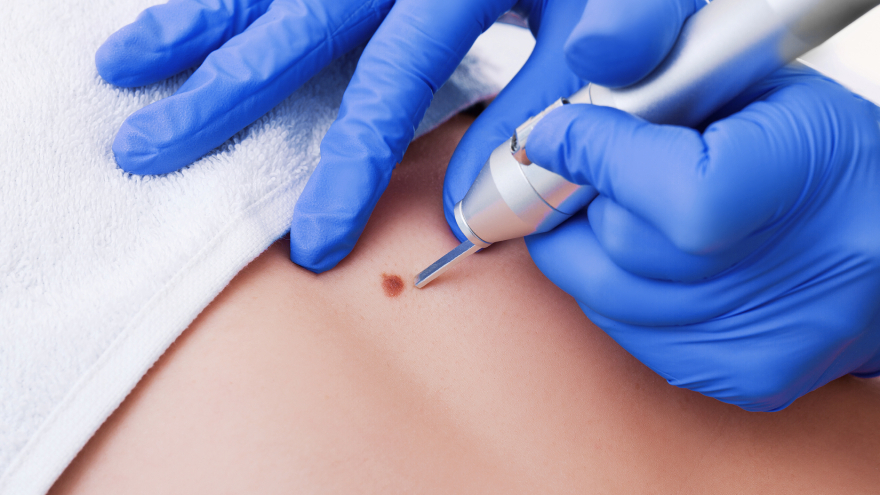
The appointment follows seven steps: examining the affected area to confirm whether it is a wart or a corn; cleaning the treatment area; gently trimming thickened wart tissue if medically appropriate; applying liquid nitrogen with a suitable applicator or spray device; observing the tissue response, which may become red, swollen or blistered; explaining how to keep the area clean and care for any blister or scab; and checking the area during healing, with additional sessions if needed.
Treatment may cause brief stinging, burning or pain. Local anaesthesia is usually unnecessary, although it may be used in selected cases.
Stage | What happens |
|---|---|
Freezing time | Usually under one minute per application |
Day 1 to 3 | Mild pain, redness, swelling or a blister may develop |
Day 4 to 7 | Discomfort usually begins to improve; the blister may dry or form a scab |
About a week | Treated tissue may shed |
1 to 3 weeks | Complete healing |
Every 2 to 4 weeks | Repeat sessions may be needed for warts |
Warts can recur, and the published clearance figures explain why more than one session is usual: DermNet reports that clearance rates of verrucous lesions vary with the degree of hyperkeratosis and the size of the wart, that several treatment sessions may be needed, and that the overall cure rate varies from 39 to 84 per cent at three months — with favourable response rates reported after keratolytic pre-treatment, which is the published counterpart to trimming thickened tissue before freezing.
Before treatment, tell the provider about medical conditions, medications, circulation problems, reduced sensation and previous treatments, and keep the area clean.
Afterwards, keep the area clean, avoid picking blisters or scabs, and protect it with a dressing if needed. Contact a clinician if redness spreads, pain worsens or pus develops. DermNet adds that no special attention is usually needed during healing beyond gentle washing once or twice daily, that a dressing is optional but advisable where the area is subject to trauma or rubbing from clothes, and that when the blister dries to a scab, petroleum jelly should be applied and the scab left alone.
Combining Wart & Corn Cryotherapy with Other Treatments
Wart treatment may combine cryotherapy with a clinician-recommended topical treatment. Corn management may combine professional care with footwear changes and pressure relief, and the appropriate plan depends on the diagnosis.
That difference matters more than it sounds. The documented alternatives for warts are salicylic acid, prescription treatments, and selected laser or surgical procedures. Corn treatment generally focuses on reducing pressure and friction, using suitable footwear, and professional removal of thickened skin when appropriate — which is to say that a corn is usually a mechanical problem, and freezing it without addressing the pressure that produced it invites its return.
Safety, Precision, and Clinic Standards
Possible effects include pain, redness, blistering, swelling, temporary pigment changes, and occasionally scarring or nerve damage.
The published complication list separates them by timing, which is useful for knowing what is expected and what is not. Immediate effects include pain, paraesthesia, oedema — around the eyes, forehead and lips — headache, and blistering that may be clear or haemorrhagic. Delayed effects include bleeding and ulceration. Other complications include secondary wound infection, which DermNet says can present as increased pain, swelling, thick yellow blister fluid, purulent discharge or redness around the treated area and is treated with topical antiseptics and oral antibiotics; rare nitrogen emphysema; usually-temporary local nerve damage; permanent hypopigmentation or scarring; atrophic scarring; alopecia; and persistent or recurrent lesions needing further treatment.
A blood-filled blister looks alarming and is not. DermNet notes that the treated area is likely to blister within a few hours depending on the depth and duration of the freeze, that it may contain clear fluid or blood, and that this is harmless — adding that treatment near the eye may cause a puffy eyelid, especially the next morning, which settles within a few days.
Healing time also depends heavily on site. The scab peels off after 5 to 10 days on the face and 3 weeks on the hand, and a sore or scab may persist as long as 3 months on the lower leg, because healing there is often slow.
The NHS states that all cosmetic procedures carry some risk, whether surgical or non-surgical, and that they can lead to serious complications if not done correctly. Its advice is to choose a reputable, safe and qualified practitioner trained and experienced in the procedure you are having, and to ask about the procedure, the products used, and what could go wrong.
At SeoJeong Dermatology, treatment planning is carried out by a Korean board-certified dermatologist, each patient receives an individual skin assessment to select treatments suited to their needs, and consultation precedes the selection of any procedure. The clinic is a Registered Medical Institution for Attracting Foreign Patients, certified by the Ministry of Health and Welfare in compliance with the Medical Overseas Expansion and Foreign Patients Attraction Act; its business registration number is 342-17-01916.
NHS guidance on having cosmetic treatment abroad advises finding out what happens if there are complications, where follow-up appointments will be, and how easily you could travel back to the destination where you were treated. It notes that overseas clinics may not provide follow-up treatment to the same standard, and advises asking whether the practitioner speaks a language you understand, since they need to be able to explain the procedure and understand your concerns.
The Bottom Line
Freezing takes under a minute; healing takes one to three weeks.
A blister, clear or blood-filled, is an expected part of the response.
Warts commonly need repeat sessions every two to four weeks and can recur.
Undiagnosed lesions, poor circulation, reduced sensation and impaired healing need assessment first.
A corn usually also needs the pressure causing it to be addressed.
Frequently Asked Questions
How long does the treatment take?
The freezing itself usually takes less than a minute per application. The appointment is longer because of assessment and preparation.
Does it hurt?
It may cause brief stinging, burning or pain. Local anaesthesia is usually unnecessary, though it may be used in selected cases.
Will I get a blister?
Often, within a few hours. It may contain clear fluid or blood, and a blood-filled blister is harmless.
How many sessions will I need?
More than one visit may be needed, commonly spaced two to four weeks apart for warts. Cure rates for warts vary from 39 to 84 per cent at three months.
How long until it heals?
Complete healing may take one to three weeks. Site matters: a scab peels off after 5 to 10 days on the face but around three weeks on the hand.
Can warts come back?
Yes. Recurrence is possible, as are temporary skin-colour changes, which is why follow-up is part of the plan.
Is it suitable for everyone?
No. It is not used on undiagnosed lesions or lesions needing tissue pathology, and people with poor circulation, reduced sensation, impaired healing or cold-exacerbated conditions need assessment first.
Can I have the consultation in English?
Yes. International patients receive consultations in English at SeoJeong Dermatology, supported by a dedicated global coordinator who handles English-language communication and consultation arrangements.
Book a Consultation at SeoJeong Dermatology
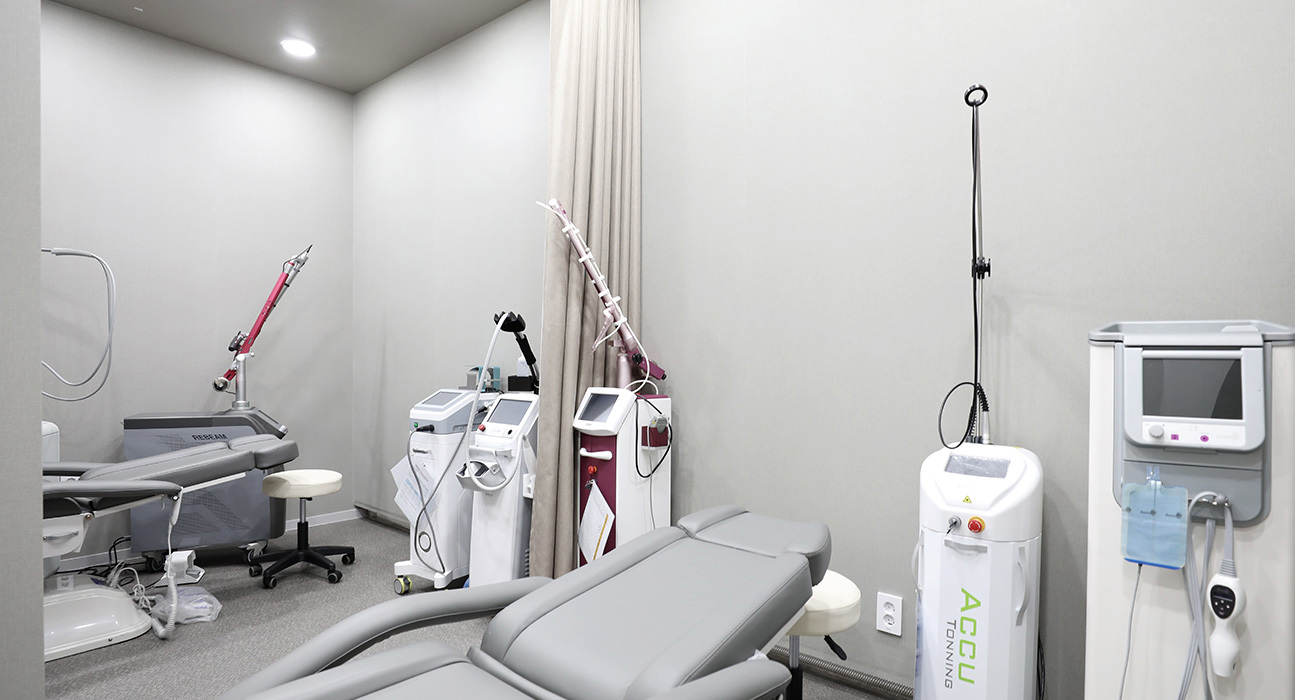
Confirming what the lesion actually is comes before freezing it, and that is the first thing the appointment does. SeoJeong Dermatology is at B-123, Lobby Floor, Acro Vista Arcade, 188 Seochojungang-ro, Seocho-gu, Seoul, South Korea. Opening hours are Monday and Thursday 09:30–19:30, Tuesday and Friday 09:30–18:30, and Saturday 09:30–15:00, with a lunch break from 12:30 to 13:30 Monday to Friday; the clinic is closed on Wednesday and Sunday. To arrange a consultation, use the contact page, call +82-2-533-9300, or email info@seojeongclinic.com.
Incheon International Airport is roughly 11 to 13 hours' non-stop flight from the US West Coast and 14 to 16 hours from the East Coast, with departure hubs including Los Angeles, San Francisco, Seattle, New York, Chicago, and Atlanta; Seocho-gu is reached from Incheon by airport limousine, taxi, or public transport. Arriving at least one day before the appointment allows time for travel recovery and the consultation. Korea Standard Time is UTC+9. US citizens are currently exempt from K-ETA only until 31 December 2026, which may change from 1 January 2027, and a digital e-Arrival Card has been mandatory for every entry since 1 January 2026.
Disclaimer
This page is for general information only and is not a substitute for individual medical advice, diagnosis, or treatment. Outcomes vary between individuals, and no specific result is guaranteed. Please consult a qualified medical professional about your own circumstances.
Sources & Further Reading
DermNet — Cryotherapy — what cryotherapy is and how it works, the timed spot freeze technique, contraindications, clearance rates for warts, complications by timing, and post-treatment care
NHS — Before you have a cosmetic procedure — risks of surgical and non-surgical procedures, and choosing a practitioner
NHS — Cosmetic surgery abroad — complications, follow-up and language when treated outside your home country
Other Services
Explore additional treatments offered by our specialists.
Wart & Corn Cryotherapy
Wart and corn cryotherapy in Seoul is a treatment at SeoJeong Dermatology in Seocho-gu that uses an extremely cold substance, usually liquid nitrogen, to destroy wart tissue.
Learn More

Thermage Skin Tightening
Thermage skin tightening in Seoul is a non-surgical treatment that uses radiofrequency energy to heat deeper skin tissue and support collagen remodeling.
Learn More
Re2O Skin Booster
Re2O skin booster in Seoul is a skin booster based on human-derived acellular dermal matrix, used in aesthetic treatments intended to improve skin texture and firmness.
Learn More