Personalized Medical Care & Dedicated International Patient Concierge


Skin Lifting & Tightening · Needs Clinic Confirmation
Ulthera HIFU Lifting
Ulthera HIFU lifting in Seoul is a non-surgical procedure that delivers focused ultrasound energy to selected tissue depths to stimulate collagen remodeling and gradually improve the appearance of skin laxity.
Schedule a ConsultationUlthera HIFU Lifting
Medically reviewed by Dr. Lee Jiyoung, Board-Certified Dermatologist
Ulthera HIFU lifting in Seoul is a non-surgical procedure that delivers focused ultrasound energy to selected tissue depths to stimulate collagen remodeling and gradually improve the appearance of skin laxity. SeoJeong Dermatology in Seocho-gu uses the Ulthera system. It is not equivalent to every HIFU device, and it is not equivalent to a surgical facelift.
What Is Ulthera HIFU Lifting?
Ultherapy is a non-surgical aesthetic procedure that delivers focused ultrasound energy to selected tissue depths to stimulate collagen remodeling and gradually improve the appearance of skin laxity. The energy is deposited below the surface rather than on it, which is why the skin is not broken and why the visible change follows weeks later rather than on the day.
The energy source is microfocused ultrasound, not radiofrequency and not light.
The genuine Ulthera system uses compatible imaging transducers to visualise tissue beneath the skin and guide treatment.
Treatment depth is selected rather than fixed, which is what "focused" refers to.
A session usually takes 30 to 90 minutes, depending on the area treated.
Ultherapy is a non-surgical ultrasound treatment intended to improve the appearance of skin laxity in specifically indicated areas.
Two things are therefore not claimed. The first is permanence or a guaranteed lift. The second is equivalence between devices: the clinic's own guidance is explicit that regulatory clearance applies to a specific device and its indicated uses, not to HIFU machines in general, so a claim attached to one system does not transfer to another that shares the acronym. Confirming the exact device before treatment is part of the consultation for that reason.
The reason imaging matters is practical. A device that can visualise the tissue it is about to heat allows the operator to see what lies at the chosen depth instead of inferring it, which is the difference between a treatment planned against anatomy and a treatment planned against an average.
Who Performs Ulthera HIFU Lifting at SeoJeong Dermatology
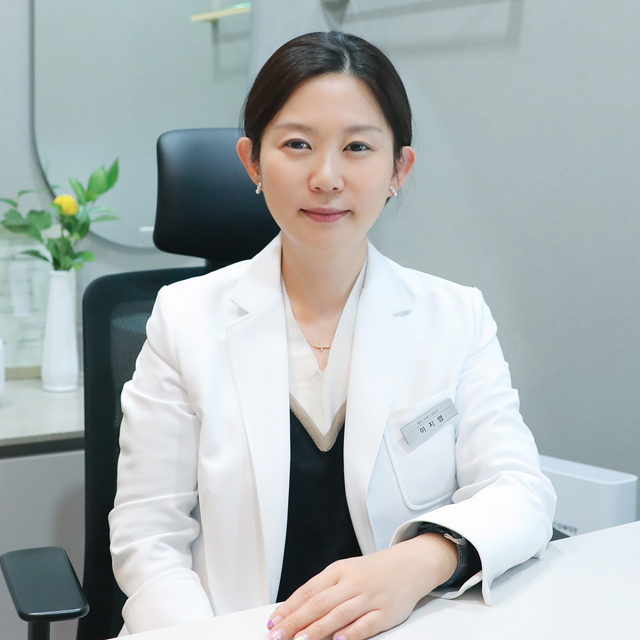
Dr. Lee Jiyoung
Board-certified Dermatologist
Assessment and treatment are carried out by Dr. Lee Jiyoung, Chief Director of SeoJeong Dermatology and a board-certified dermatologist in South Korea with more than 20 years of clinical experience. Her medical education and her dermatology specialist training were both completed in South Korea, and she holds an ECFMG certificate.
The consultation for this treatment covers more ground than most. Medical history, medications and previous aesthetic procedures are reviewed; skin laxity and facial anatomy are examined; the proposed treatment areas are assessed; realistic outcomes and alternatives are discussed; contraindications are reviewed; and informed consent is obtained. The exact device is confirmed before treatment rather than assumed.
Before establishing the clinic in April 2022, she was Director at Cheongdam Lee Ji-ham Dermatology Clinic, at B&C Dermatology Clinic's Gangnam branch, and at CU Cleanup Dermatology Clinic's Yeongdeungpo branch. She is a regular member of the Korean Dermatological Association, the Korean Association of Dermatologists, the Korean Academy of Anti-Aging Dermatology, the Korean Acne Society, and the Korean Atopic Dermatitis Association. SeoJeong Dermatology is a single-physician clinic, and a dedicated global coordinator supports international patients with English-language communication.
Treatment is carried out under the direction of Dr. Lee Jiyoung; this page does not claim that one specific doctor personally performs every session of this service.
Ulthera HIFU Lifting Areas and Alternatives
The areas patients most often ask about are the ones where mild laxity shows first.
Area of interest | What may be addressed |
|---|---|
Jawline | A less defined jawline, in appropriately selected patients |
Beneath the chin | Loose skin under the chin |
Neck | Mild to moderate laxity |
Brow | A subtle lifting effect |
Outcomes vary with individual anatomy, skin condition and treatment area, and they are generally more modest than those of surgical lifting. That comparison is not a disclaimer tacked on at the end; it is the main thing a patient needs in order to choose between the two.
Where ultrasound is not the right answer, the documented alternatives are radiofrequency skin tightening, other appropriately indicated energy-based treatments, injectable treatments for selected concerns, or surgical lifting for more pronounced laxity. Which one fits depends on anatomy, goals, risk profile, and the expected degree of correction. The clinic's full range of non-surgical options is set out on the Skin Lifting & Tightening page.
It is worth placing all of this against what is actually changing in the skin. DermNet notes that the signs of intrinsic ageing begin at around 50 to 60 years of age, and that women develop these signs earlier than men, which is attributed to a decrease in the protective effects of oestrogen during menopause. Separately it describes the features of photodamage as roughness, sallowness, deep wrinkling, dyspigmentation, senile purpura, telangiectasia, and the development of a variety of benign and malignant skin lesions. An energy-based lifting treatment addresses laxity; it does not address pigment, surface texture or vascular change, and a patient whose main concern is one of those is being pointed at the wrong treatment.
Who Is a Good Candidate for Ulthera HIFU Lifting?
Ultherapy may suit:
Adults with mild to moderate skin laxity.
Patients who want modest, gradual improvement.
Patients who understand that results vary between individuals.
Patients whose skin condition, anatomy, treatment goals and suitability have been assessed by a qualified clinician.
Treatment should be avoided over:
Open wounds and lesions.
Severe or cystic acne.
Areas containing implants where the device instructions contraindicate treatment.
Assessment against the device's labelling is required for:
Patients with compromised skin.
Patients with active implanted electronic devices.
Patients with metal in the treatment area.
Pregnancy, underlying medical conditions and other individual circumstances should be reviewed with the treating clinician, because suitability depends on the device instructions and on clinical circumstances together. Active skin infection in the treatment area is a reason to postpone until it has been medically assessed.
What to Expect: Procedure, Recovery, and Results Timeline
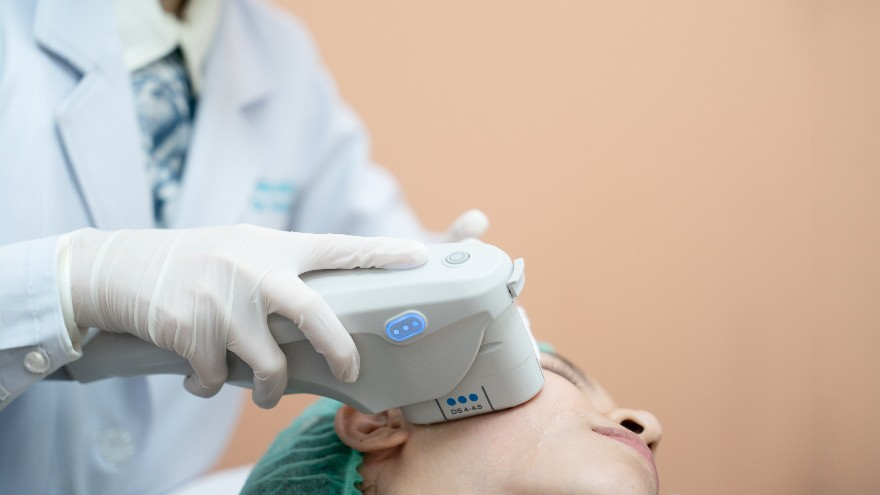
The session follows a set sequence. The skin is cleaned and the treatment areas are marked. Ultrasound gel is applied as directed. Tissue is assessed using the device's imaging system, where available. Focused ultrasound energy is then delivered using appropriate treatment depths and settings, and post-treatment instructions and expected reactions are reviewed before the patient leaves.
On comfort, the clinic's documented position is deliberately unpromising: sensations may include heat, tingling, or brief discomfort during energy delivery, comfort varies, and pain-management options are selected by the treating clinician according to the device instructions and the patient's medical history. No one here will tell a patient the treatment is painless, or that anaesthesia is never needed.
Stage | What happens |
|---|---|
Session length | Approximately 30 to 90 minutes, depending on the area |
Visit requirements | Consultation and follow-up visits as recommended by the clinician |
Days 1 to 14 | Mild redness, swelling or tenderness usually improves, though recovery varies |
2 to 4 weeks | Initial improvements may appear |
8 to 12 weeks | More noticeable results develop as collagen remodeling progresses |
6 to 12 months or longer | Approximate duration of results, depending on individual response |
Preparation is straightforward. Arrive with clean skin; disclose medical conditions, allergies, medications, supplements, implants and previous cosmetic treatments; and follow the clinic's instructions for skin preparation and medication management. Avoid excessive sun exposure, irritating skincare products, and treatments that may inflame the skin beforehand. Do not stop prescribed medication without the prescriber's advice.
For the first one to two weeks after treatment, follow gentle skincare, avoid excessive sun exposure, and follow the clinician's instructions. Seek medical advice if symptoms worsen or persist rather than waiting for a scheduled follow-up.
The judgement point is around eight to twelve weeks. Collagen remodeling is a slow process and a patient who concludes at three weeks that nothing has happened is reading the timeline, not the result.
Combining Ulthera HIFU Lifting with Other Treatments
Ultherapy may be combined with radiofrequency treatments, dermal fillers, or botulinum toxin injections. Those combinations are documented for this clinic; no particular sequence, interval or combined outcome is claimed beyond that, and the plan is set at consultation. Injectable options are described on the Botox & Dermal Fillers page.
Safety, Precision, and Clinic Standards
The risks of this treatment separate into two tiers. Possible effects include temporary redness, swelling, tenderness, tingling, bruising, and localised welts. More serious complications can include burns and nerve-related injury. Device-specific risks and warning signs are discussed during consent, which is where the detail belongs rather than on a web page.
The NHS states that all cosmetic procedures carry some risk, whether surgical or non-surgical, and that they can lead to serious complications if not done correctly. Its advice is to choose a reputable, safe and qualified practitioner trained and experienced in the procedure you are having, and to ask about the procedure, the products used, and what could go wrong.
At SeoJeong Dermatology, treatment planning is carried out by a Korean board-certified dermatologist, each patient receives an individual skin assessment to select treatments suited to their needs, and consultation precedes the selection of any procedure. The clinic is a Registered Medical Institution for Attracting Foreign Patients, certified by the Ministry of Health and Welfare in compliance with the Medical Overseas Expansion and Foreign Patients Attraction Act; its business registration number is 342-17-01916.
Remote aftercare is handled directly rather than through an intermediary. A patient who is already home and sees something they did not expect — persistent tenderness, uneven lifting, or any symptom that is worsening rather than settling — should contact the clinic by phone on +82-2-533-9300 or by email at info@seojeongclinic.com, and seek local medical attention in the meantime if the symptom is acute. Unsatisfactory results from a previous treatment, whether performed here or elsewhere, are assessed in the same way as a first consultation: anatomy, the degree of laxity that remains, and what a further session could realistically change.
NHS guidance on having cosmetic treatment abroad advises finding out what happens if there are complications, where follow-up appointments will be, and how easily you could travel back to the destination where you were treated. It notes that overseas clinics may not provide follow-up treatment to the same standard, and advises asking whether the practitioner speaks a language you understand, since they need to be able to explain the procedure and understand your concerns.
The Bottom Line
Ultherapy delivers microfocused ultrasound at selected depths to stimulate collagen remodeling.
It is for mild to moderate laxity, and it is not equivalent to a surgical facelift.
Claims attached to one HIFU device do not transfer to another; the exact device is confirmed before treatment.
A session takes 30 to 90 minutes; mild redness, swelling or tenderness usually settles within one to two weeks.
Results build over eight to twelve weeks and may last six to twelve months or longer.
Frequently Asked Questions
How long does an Ultherapy session take?
Treatment typically takes 30 to 90 minutes, depending on the treatment area and individual needs, with consultation and follow-up visits as recommended by the clinician.
Is it painful, and what pain control is used?
Patients may experience mild to moderate discomfort, warmth or tingling during treatment, and pain levels vary by individual and treatment area. Pain-management options are selected by the treating clinician according to the device instructions and the patient's medical history.
Who should avoid or postpone treatment?
Patients with open wounds, active skin infections, severe acne in the treatment area, or certain implants should avoid or postpone treatment until medically assessed. Suitability during pregnancy or with underlying medical conditions requires clinician evaluation.
What does recovery look like?
Mild redness, swelling or tenderness usually improves within one to two weeks, though recovery varies by individual. Temporary tingling, bruising or sensitivity may also occur and usually improves gradually.
When will I see the final result?
Initial improvements may appear within two to four weeks, with more noticeable lifting developing over eight to twelve weeks as collagen remodeling progresses. Individual outcomes vary.
How long should I stay in Korea?
A stay of two to three days is generally sufficient for consultation, treatment, and an initial follow-up, depending on the clinic's schedule and individual needs.
Is every HIFU device the same as Ulthera?
No. The clinic's position is that claims and regulatory status attach to a specific device and its indicated uses rather than to HIFU as a category, which is why the exact device is confirmed before treatment.
Can I have the consultation in English?
Yes. International patients receive consultations in English at SeoJeong Dermatology, supported by a dedicated global coordinator who handles English-language communication and consultation arrangements.
Book a Consultation at SeoJeong Dermatology
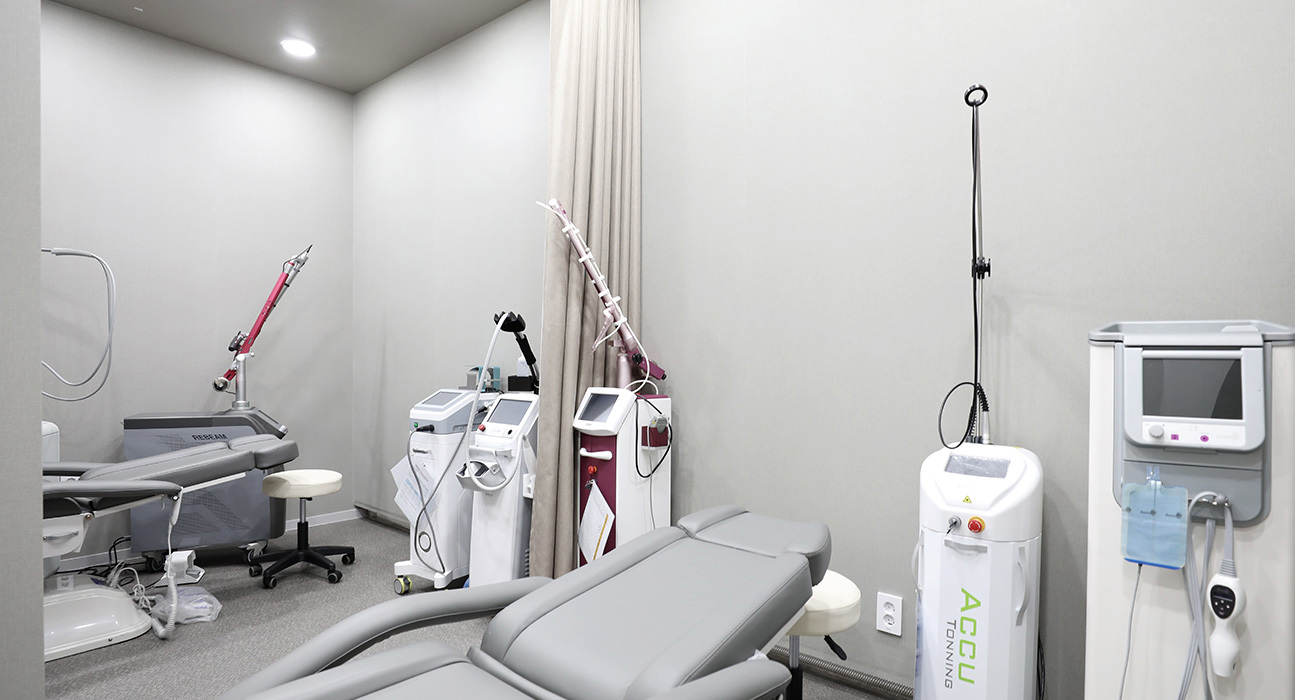
The question worth settling first is whether the laxity is in the range an ultrasound device can address, and that is an assessment rather than a booking. SeoJeong Dermatology is at B-123, Lobby Floor, Acro Vista Arcade, 188 Seochojungang-ro, Seocho-gu, Seoul, South Korea. Opening hours are Monday and Thursday 09:30–19:30, Tuesday and Friday 09:30–18:30, and Saturday 09:30–15:00, with a lunch break from 12:30 to 13:30 Monday to Friday; the clinic is closed on Wednesday and Sunday. To arrange a consultation, call +82-2-533-9300 or email info@seojeongclinic.com.
Incheon International Airport is roughly 11 to 13 hours' non-stop flight from the US West Coast and 14 to 16 hours from the East Coast, with departure hubs including Los Angeles, San Francisco, Seattle, New York, Chicago, and Atlanta; Seocho-gu is reached from Incheon by airport limousine, taxi, or public transport. Arriving at least one day before the appointment allows time for travel recovery and the consultation. Korea Standard Time is UTC+9. US citizens are currently exempt from K-ETA only until 31 December 2026, which may change from 1 January 2027, and a digital e-Arrival Card has been mandatory for every entry since 1 January 2026.
Disclaimer
This page is for general information only and is not a substitute for individual medical advice, diagnosis, or treatment. Outcomes vary between individuals, and no specific result is guaranteed. Please consult a qualified medical professional about your own circumstances.
Sources & Further Reading
DermNet — Skin ageing — when intrinsic ageing signs begin, the role of menopause, and the separate features of photodamage
NHS — Before you have a cosmetic procedure — risks of surgical and non-surgical procedures, and choosing a practitioner
NHS — Cosmetic surgery abroad — complications, follow-up and language when treated outside your home country
Other Services
Explore additional treatments offered by our specialists.

Wart & Corn Cryotherapy
Wart and corn cryotherapy in Seoul is a treatment at SeoJeong Dermatology in Seocho-gu that uses an extremely cold substance, usually liquid nitrogen, to destroy wart tissue.
Learn More

Thermage Skin Tightening
Thermage skin tightening in Seoul is a non-surgical treatment that uses radiofrequency energy to heat deeper skin tissue and support collagen remodeling.
Learn More
Re2O Skin Booster
Re2O skin booster in Seoul is a skin booster based on human-derived acellular dermal matrix, used in aesthetic treatments intended to improve skin texture and firmness.
Learn More