Personalized Medical Care & Dedicated International Patient Concierge


Skin Lifting & Tightening · Needs Clinic Confirmation
Thermage Skin Tightening
Thermage skin tightening in Seoul is a non-surgical treatment that uses radiofrequency energy to heat deeper skin tissue and support collagen remodeling.
Schedule a ConsultationThermage Skin Tightening
Medically reviewed by Dr. Lee Jiyoung, Board-Certified Dermatologist
Thermage skin tightening in Seoul is a non-surgical treatment that uses radiofrequency energy to heat deeper skin tissue and support collagen remodeling. It may help improve the appearance of wrinkles, skin laxity and firmness without incisions or injections, and it is offered at SeoJeong Dermatology in Seocho-gu. Results vary between individuals.
What Is Thermage Skin Tightening?
Thermage is a non-surgical skin-tightening treatment that uses radiofrequency (RF) energy to heat deeper skin tissue and support collagen remodeling. The energy passes through the skin's surface and deposits heat in the layers below, where collagen fibres respond to controlled heating over the following months.
The energy source is monopolar radiofrequency, delivered through a handpiece rather than a needle or blade.
No incisions and no injections are involved, so there is nothing to suture and nothing to absorb.
The treatment is delivered in a single visit for most patients, typically lasting 30 to 60 minutes depending on the area.
Different treatment tips are available for the face, the body and the eye area.
The documented claims for this treatment are that it "may improve the appearance of wrinkles", that it "supports collagen remodeling", and that it "may provide gradual skin tightening without surgery".
Thermage is not a facelift and does not remove skin. Where there is substantial excess skin rather than mild slackening, the honest answer is that an energy-based device will under-deliver, and that a surgical assessment is the more useful conversation.
It helps to know where this treatment sits among the alternatives. DermNet's overview of facial rejuvenation groups the available approaches into creams, injected fillers, resurfacing, and surgery, placing radiothermoplasty — the heating of the dermis by radiofrequency — among the non-ablative resurfacing methods, and stating plainly that surgery is necessary to disguise or remove sagging and loose skin. That division is the reason candidacy matters more here than technique.
The underlying problem Thermage addresses is worth naming accurately. DermNet describes two distinct ageing processes: intrinsic ageing, which affects the skin of the entire body including sun-protected sites, and extrinsic ageing, driven by chronic ultraviolet exposure, smoking and other pollutants and superimposed on the intrinsic process. Of intrinsically aged skin it notes that skin sagging or laxity may occur with body movement, due to loss of elasticity. Radiofrequency treatment addresses the laxity, not its cause.
Who Performs Thermage Skin Tightening at SeoJeong Dermatology
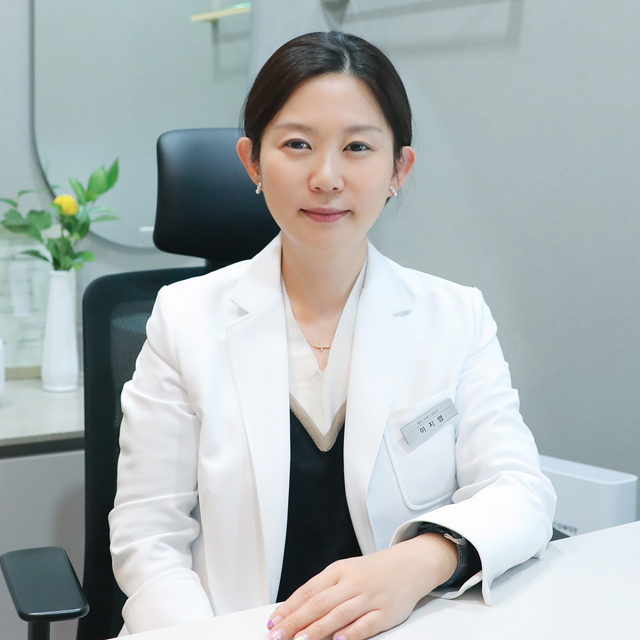
Dr. Lee Jiyoung
Board-certified Dermatologist
Assessment and treatment are carried out by Dr. Lee Jiyoung, Chief Director of SeoJeong Dermatology and a board-certified dermatologist in South Korea with more than 20 years of clinical experience. Her medical education and her dermatology specialist training were both completed in South Korea, and she holds an ECFMG certificate.
The part of this treatment that depends most on clinical judgement is the part before the handpiece is switched on. Degree of laxity is assessed directly; the treatment area and the device tip are selected from that assessment; and realistic results, risks and costs are explained before anything is booked. A patient whose laxity is more advanced than the device can address is better served by being told so at the consultation.
Before establishing the clinic in April 2022, she was Director at Cheongdam Lee Ji-ham Dermatology Clinic, at B&C Dermatology Clinic's Gangnam branch, and at CU Cleanup Dermatology Clinic's Yeongdeungpo branch. She is a regular member of the Korean Dermatological Association, the Korean Association of Dermatologists, the Korean Academy of Anti-Aging Dermatology, the Korean Acne Society, and the Korean Atopic Dermatitis Association. SeoJeong Dermatology is a single-physician clinic, and a dedicated global coordinator supports international patients with English-language communication.
Treatment is carried out under the direction of Dr. Lee Jiyoung; this page does not claim that one specific doctor personally performs every session of this service.
Thermage Skin Tightening Options Available
The device used is Thermage FLX, which delivers monopolar radiofrequency energy. Its documented features are AccuREP technology for energy-delivery calibration, cooling, and vibration. What varies between patients is not the device but the tip, and the tip follows the area being treated.
Treatment area | Notes |
|---|---|
Face and jawline | The most commonly requested areas for mild to moderate laxity |
Skin around the eyes | Treated with a tip designed for that area |
Neck | Considered where laxity is mild to moderate |
Selected body areas | Depends on the device tip and the treatment indication |
Cooling and vibration are built into the handpiece rather than added afterwards, and they are part of why the treatment is usually tolerated without anaesthesia. AccuREP calibrates how much energy is delivered rather than applying a fixed setting across every patient.
If Thermage is not the right fit, the alternatives are well defined: other radiofrequency skin-tightening devices, focused ultrasound treatments, selected laser procedures, and surgical lifting. Non-surgical approaches generally involve less downtime but offer more modest results than surgery. Which alternative is appropriate depends on the degree of skin laxity, the treatment goals, and medical suitability — the full range of non-surgical options the clinic offers is set out on the Skin Lifting & Tightening page.
Who Is a Good Candidate for Thermage Skin Tightening?
Thermage may suit:
Adults with mild to moderate skin laxity or wrinkles.
Patients who want gradual, non-surgical improvement.
Patients with realistic expectations about the scale of the change.
Patients considering treatment of the face, jawline, skin around the eyes, neck, or selected body areas, depending on the device tip and treatment indication.
There is one absolute exclusion, and it is not negotiable:
- People with a pacemaker, defibrillator, or other electrical implant should not undergo Thermage, according to the manufacturer.
Several other circumstances require discussion with the clinician before treatment, because some uses have not been studied:
Pregnancy and breastfeeding.
Diabetes, autoimmune conditions and epilepsy.
Herpes infections.
Tattoos and permanent makeup in the treatment area.
Existing fillers in the treatment area.
Active infection in the treatment area also requires medical assessment before anything is scheduled.
The reason the implant exclusion is stated so flatly, while the rest are framed as discussions, is that they are different kinds of limitation. One comes from the manufacturer's own instructions for use. The others reflect an absence of evidence rather than a known harm, which is a reason for a conversation, not for a blanket refusal.
What to Expect: Procedure, Recovery, and Results Timeline
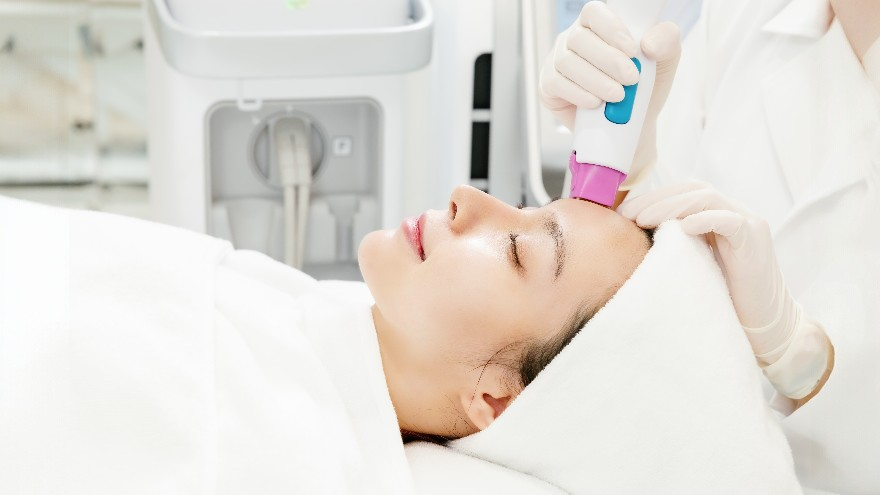
The visit follows a documented sequence. The clinician examines the skin and discusses goals. The treatment area is prepared and marked if needed. The appropriate Thermage tip is selected. The handpiece then delivers controlled radiofrequency energy to the skin, with cooling and vibration to support comfort, and the clinician treats the planned area before giving post-treatment guidance.
Anaesthesia is not applicable to this treatment. Most patients describe mild to moderate discomfort, with brief heating or tingling sensations during the treatment; cooling and vibration improve comfort, and how much is felt varies by individual and by treatment area.
Stage | What happens |
|---|---|
Session length | Approximately 30 to 60 minutes, depending on the area |
Sessions needed | Most patients need one treatment session |
Day 0 to 1 | Most patients return to normal activities immediately |
First 24 hours | Mild redness or swelling usually settles |
Up to 5 days | Swelling may persist this long, or longer in some cases |
2 to 6 months | Results develop gradually as collagen remodeling continues |
1 to 2 years | Approximate duration of results, depending on skin condition and ageing |
Preparation is mostly disclosure. Tell the clinician about medical conditions, electrical implants, medications, supplements, previous fillers, tattoos and previous cosmetic procedures, follow the clinic's instructions on skin preparation, and avoid excessive sun exposure beforehand. Do not stop prescribed medication without medical advice.
Aftercare is unusually light for an energy-based treatment: special aftercare is generally not required after an uncomplicated session, and patients can usually resume normal activities promptly. Follow the clinician's advice on skincare and use broad-spectrum sunscreen as part of regular skincare. Contact the clinic if pain, swelling, blistering or other unusual symptoms develop.
Some initial tightening may be noticeable immediately. The more meaningful change arrives over the following months rather than on the day, which is the single point most worth setting expectations around: a patient who judges the result at one week is judging it too early.
Maintenance is a choice rather than a schedule. Some patients return approximately once a year, based on their clinician's advice.
Combining Thermage Skin Tightening with Other Treatments
Two combinations are documented for this clinic:
Thermage with Ulthera, pairing radiofrequency with focused ultrasound.
Thermage with filler, pairing tissue tightening with volume replacement. Injectable options are covered on the Botox & Dermal Fillers page.
These are documented pairings, not a protocol with a published outcome. Nothing beyond the two combinations above is claimed here, and the sequence and interval between them are decided at consultation.
Safety, Precision, and Clinic Standards
The risks of this treatment are documented at two levels. Common effects are temporary redness, swelling, and treatment discomfort. Less common complications can include burns, blisters, scarring, altered sensation, lumps or nodules, pigment changes, and skin-surface irregularities. Patients should review the manufacturer's safety information and discuss personal risk factors before treatment.
The NHS states that all cosmetic procedures carry some risk, whether surgical or non-surgical, and that they can lead to serious complications if not done correctly. Its advice is to choose a reputable, safe and qualified practitioner trained and experienced in the procedure you are having, and to ask about the procedure, the products used, and what could go wrong.
At SeoJeong Dermatology, treatment planning is carried out by a Korean board-certified dermatologist, each patient receives an individual skin assessment to select treatments suited to their needs, and consultation precedes the selection of any procedure. The clinic is a Registered Medical Institution for Attracting Foreign Patients, certified by the Ministry of Health and Welfare in compliance with the Medical Overseas Expansion and Foreign Patients Attraction Act; its business registration number is 342-17-01916.
For patients travelling from abroad, aftercare is the part that needs planning before departure, not afterwards. NHS guidance on having cosmetic treatment abroad advises finding out what happens if there are complications, where follow-up appointments will be, and how easily you could travel back to the destination where you were treated. It notes that overseas clinics may not provide follow-up treatment to the same standard, and advises asking whether the practitioner speaks a language you understand, since they need to be able to explain the procedure and understand your concerns.
The Bottom Line
Thermage uses monopolar radiofrequency to heat the deeper skin and support collagen remodeling, without incisions or injections.
It suits mild to moderate laxity; substantial excess skin needs a surgical assessment instead.
Anyone with a pacemaker, defibrillator or other electrical implant should not have this treatment.
Most patients have one session of 30 to 60 minutes and return to normal activities the same day.
Results build over two to six months and may last approximately one to two years.
Frequently Asked Questions
How long does a Thermage session take, and how many will I need?
Each session typically takes 30 to 60 minutes, depending on the treatment area, and most patients need one treatment session. Some choose maintenance treatments approximately once a year, based on their clinician's advice.
Is Thermage painful?
It may cause mild to moderate discomfort, with brief heating or tingling sensations during treatment. Cooling and vibration help improve comfort. Pain varies by individual and by treatment area, and no anaesthesia is used for this treatment.
What are the most common side effects?
Temporary redness and mild swelling, usually improving within 24 hours. Swelling may last up to five days or longer in some cases. Less common risks include burns, blisters, scarring, altered sensation, and skin irregularities.
When will I see results, and how long do they last?
Initial tightening may be noticeable immediately. Results develop gradually over two to six months and may last approximately one to two years, depending on skin condition and ageing.
How long should I stay in Korea, and when can I fly home?
Approximately one to two days is sufficient for this treatment, and most patients can fly home within one to two days.
Can I have Thermage if I have fillers or a tattoo in the area?
Existing fillers, tattoos and permanent makeup require discussion with the clinician before treatment, because some uses have not been studied. Bring this up at the consultation rather than on the day of treatment.
What should I do if something looks wrong once I am home?
Contact the clinic directly by phone on +82-2-533-9300 or by email at info@seojeongclinic.com, and seek local medical attention for worsening pain, blistering or burns.
Can I have the consultation in English?
Yes. International patients receive consultations in English at SeoJeong Dermatology, supported by a dedicated global coordinator who handles English-language communication and consultation arrangements.
Book a Consultation at SeoJeong Dermatology
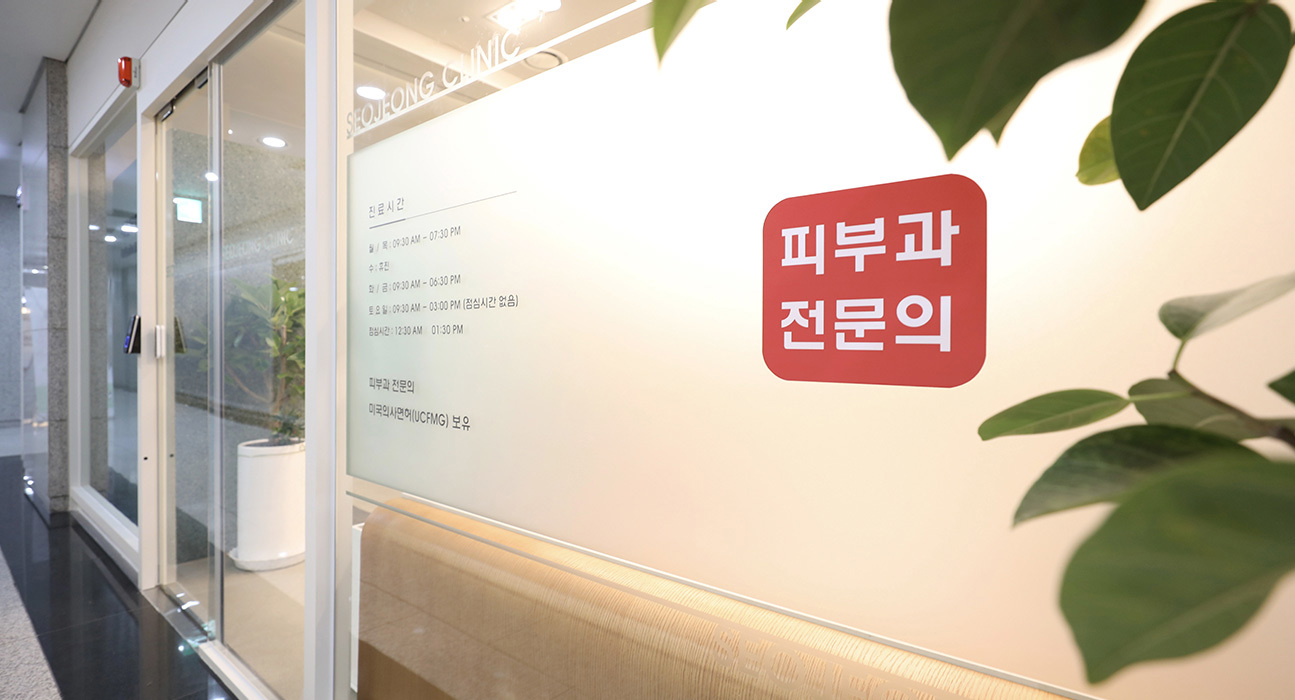
The useful first step is an assessment of how much laxity there actually is, because that is what decides whether radiofrequency is the right tool at all. SeoJeong Dermatology is at B-123, Lobby Floor, Acro Vista Arcade, 188 Seochojungang-ro, Seocho-gu, Seoul, South Korea. Opening hours are Monday and Thursday 09:30–19:30, Tuesday and Friday 09:30–18:30, and Saturday 09:30–15:00, with a lunch break from 12:30 to 13:30 Monday to Friday; the clinic is closed on Wednesday and Sunday. To arrange a consultation, call +82-2-533-9300 or email info@seojeongclinic.com.
Incheon International Airport is roughly 11 to 13 hours' non-stop flight from the US West Coast and 14 to 16 hours from the East Coast, with departure hubs including Los Angeles, San Francisco, Seattle, New York, Chicago, and Atlanta; Seocho-gu is reached from Incheon by airport limousine, taxi, or public transport. Arriving at least one day before the appointment allows time for travel recovery and the consultation. Korea Standard Time is UTC+9. US citizens are currently exempt from K-ETA only until 31 December 2026, which may change from 1 January 2027, and a digital e-Arrival Card has been mandatory for every entry since 1 January 2026.
Disclaimer
This page is for general information only and is not a substitute for individual medical advice, diagnosis, or treatment. Outcomes vary between individuals, and no specific result is guaranteed. Please consult a qualified medical professional about your own circumstances.
Sources & Further Reading
DermNet — Facial rejuvenation — how rejuvenation approaches are categorised, where radiothermoplasty sits, and why surgery is needed for sagging and loose skin
DermNet — Skin ageing — intrinsic versus extrinsic ageing, and laxity as a consequence of lost elasticity
NHS — Before you have a cosmetic procedure — risks of surgical and non-surgical procedures, and choosing a practitioner
NHS — Cosmetic surgery abroad — complications, follow-up and language when treated outside your home country
Other Services
Explore additional treatments offered by our specialists.

Wart & Corn Cryotherapy
Wart and corn cryotherapy in Seoul is a treatment at SeoJeong Dermatology in Seocho-gu that uses an extremely cold substance, usually liquid nitrogen, to destroy wart tissue.
Learn More
Thermage Skin Tightening
Thermage skin tightening in Seoul is a non-surgical treatment that uses radiofrequency energy to heat deeper skin tissue and support collagen remodeling.
Learn More
Re2O Skin Booster
Re2O skin booster in Seoul is a skin booster based on human-derived acellular dermal matrix, used in aesthetic treatments intended to improve skin texture and firmness.
Learn More