Personalized Medical Care & Dedicated International Patient Concierge


Botox & Dermal Fillers · Needs Clinic Confirmation
Customized Design Filler
Customized design filler in Seoul is a personalised dermal-filler treatment plan designed to address an individual's facial contours, volume loss, folds or other suitable aesthetic concerns.
Schedule a ConsultationCustomized Design Filler
Medically reviewed by Dr. Lee Jiyoung, Board-Certified Dermatologist
Customized design filler in Seoul is a personalised dermal-filler treatment plan designed to address an individual's facial contours, volume loss, folds or other suitable aesthetic concerns. At SeoJeong Dermatology in Seocho-gu, filler may add volume, soften certain lines or refine contours, depending on the product and the treatment area.
What Is Customized Design Filler?
A customised design filler treatment is a plan rather than a product. The clinician decides which product, which sites and which technique suit the individual face, and the "design" is that set of decisions.
The concerns it addresses are facial contours, volume loss, folds and other suitable aesthetic concerns.
What the filler does depends on the product and the area: adding volume, softening certain lines, or refining contours.
The injection itself commonly takes approximately 15 to 30 minutes, with additional time for consultation, preparation and assessment.
The appropriate product and injection area depend on the treatment goal, not the other way round.
Results depend on anatomy, product choice, injection technique and individual response.
DermNet describes dermal fillers as injected just below the skin surface and used mainly for the removal or improvement of scars caused by acne, correction of facial wrinkle lines, and enhancement or filling in of specific facial features such as the lips or chin. The facial lines and features it lists as correctable with fillers include glabellar frown lines, perioral smoker's lines, marionette lines at the corner of the mouth, forehead worry lines, periorbital crow's feet, nasolabial furrows and smile lines, cheek depressions, lip enhancement and chin augmentation.
Duration is the practical question most patients ask second. DermNet notes that collagen and hyaluronic acid provide only a temporary solution as they are reabsorbed into the body over three to twelve months, so top-up treatments are necessary to maintain the desired correction. Its page on hyaluronic acid implants puts the usual range at three to nine months, with most people having two to three treatments per year, and adds that allergy to hyaluronic acid is very rare because it is chemically identical within and between species.
Who Performs Customized Design Filler at SeoJeong Dermatology
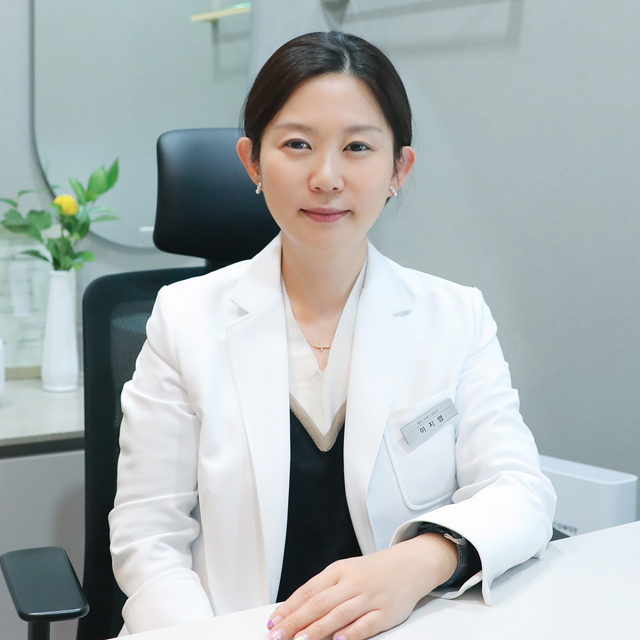
Dr. Lee Jiyoung
Board-certified Dermatologist
Assessment and treatment are carried out by Dr. Lee Jiyoung, Chief Director of SeoJeong Dermatology and a board-certified dermatologist in South Korea with more than 20 years of clinical experience. Her medical education and her dermatology specialist training were both completed in South Korea, and she holds an ECFMG certificate.
The consultation covers the patient's concerns and desired outcome, medical history, allergies, medications, previous fillers and previous cosmetic procedures. The face and the intended treatment area are assessed, and the clinician explains suitable products, expected outcomes, limitations, costs and risks. Previous fillers are asked about specifically rather than in passing: what was placed, where, and when changes what can safely be done next.
Before establishing the clinic in April 2022, she was Director at Cheongdam Lee Ji-ham Dermatology Clinic, at B&C Dermatology Clinic's Gangnam branch, and at CU Cleanup Dermatology Clinic's Yeongdeungpo branch. She is a regular member of the Korean Dermatological Association, the Korean Association of Dermatologists, the Korean Academy of Anti-Aging Dermatology, the Korean Acne Society, and the Korean Atopic Dermatitis Association. SeoJeong Dermatology is a single-physician clinic, and a dedicated global coordinator supports international patients with English-language communication.
Treatment is carried out under the direction of Dr. Lee Jiyoung; this page does not claim that one specific doctor personally performs every session of this service.
Who Is a Good Candidate for Customized Design Filler?
This treatment may suit:
Adults with suitable aesthetic concerns involving contour, volume or folds.
Patients who understand the limitations and risks of injectable fillers.
Patients with realistic expectations.
Patients who are medically suitable following assessment by a qualified clinician.
Treatment should generally be postponed for:
Active skin infection at the intended injection site.
Inflammation at the intended injection site.
Careful assessment is required for:
A history of severe allergic reactions.
Relevant product allergies.
Bleeding disorders.
Certain medical conditions.
A history of cold sores belongs in that conversation too. DermNet's guidance on preventing filler side effects advises that prophylactic antivirals, such as oral aciclovir, should be prescribed where there is a history of herpes infection, and that caution is necessary for any injection in patients with a history of bleeding disorder or taking aspirin, warfarin, ginseng, vitamin E or other anticoagulant agents.
What to Expect: Procedure, Recovery, and Results Timeline
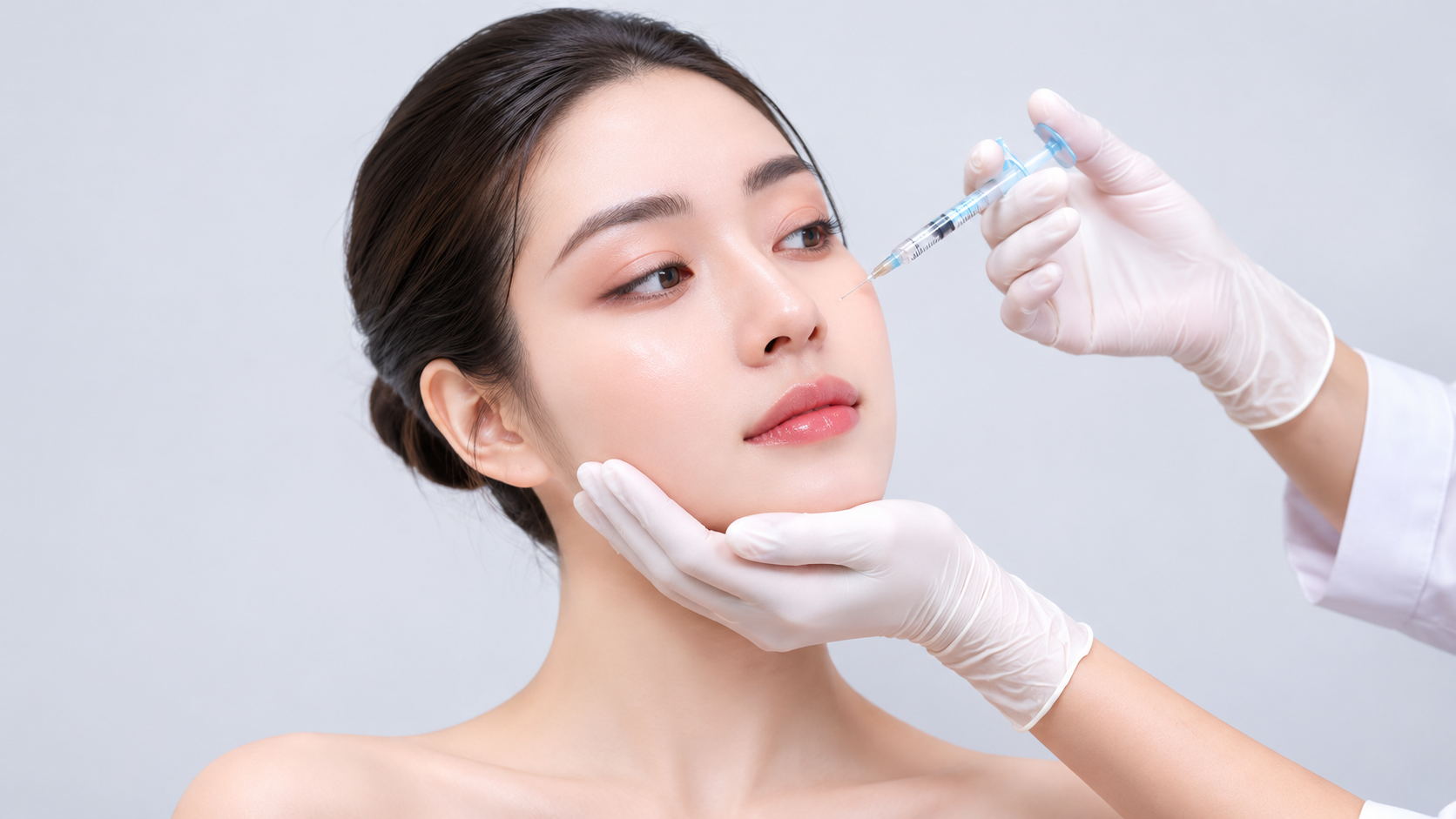
The appointment runs through five steps: consultation and facial assessment; selection of the filler and injection sites; cleansing and, where appropriate, application of a topical or local anaesthetic; injection using a needle or a cannula, depending on the plan; and assessment of the result with aftercare instructions.
Many fillers contain lidocaine, or can be used with topical numbing, ice or a local nerve block, so discomfort is manageable for most patients.
The choice between a needle and a cannula is part of the plan rather than a preference, and so is the injection method itself. DermNet describes the recognised techniques as serial intradermal punctures, a series of small injections with a very fine 27 to 30 gauge needle; the tunnel or linear threading technique, in which the needle is withdrawn as the material is injected; and fanning with retrograde injection. It also notes that the patient should be sitting upright, that the treatment area is wiped with an antiseptic beforehand, that the skin may be lightly massaged afterwards to smooth irregularities and move the material into the most aesthetic position, and that subcutaneous injections waste the material. A further one or two treatments, at least a week apart, may be needed to reach the desired correction — which is a normal part of the plan rather than a sign the first session failed.
Stage | What happens |
|---|---|
Injection time | Approximately 15 to 30 minutes |
Total appointment | Longer, with consultation, preparation and assessment |
Same day | Most patients resume normal, non-strenuous activities, including desk work, if they feel well |
7 to 14 days | Many temporary injection-related effects settle, making the result easier to assess |
3 to 9 months | Typical duration before top-up treatment, depending on product and site |
Before treatment, tell the clinician about allergies, bleeding disorders, cold sores, previous fillers or implants, medical conditions, and all medicines and supplements. Aspirin, ibuprofen, blood thinners, vitamin E and herbal supplements deserve specific mention because some may increase bruising risk.
Afterwards, apply a cool compress if recommended. Avoid strenuous exercise for 24 to 48 hours, excessive heat while swelling is present, and unnecessary pressure on or massage of the treated area. Follow product-specific instructions, because some fillers require particular massage techniques while others should not be massaged at all — which is precisely why generic aftercare advice copied from elsewhere is unhelpful here.
The seven to fourteen day mark is when the result becomes assessable. Judging symmetry at day two, while swelling is still present, leads patients to ask for corrections they would not have wanted a week later.
Combining Customized Design Filler with Other Treatments
Depending on the patient's needs, a clinician may consider combining filler with botulinum toxin or selected skin treatments. Combination suitability, timing and safety are assessed individually rather than packaged.
The alternatives make the logic of combining clear, because each addresses something filler does not:
Botulinum toxin temporarily relaxes selected muscles; it does not replace lost volume.
Energy-based treatments may address selected skin-laxity concerns but do not provide the same immediate volume enhancement as filler. These are set out on the Skin Lifting & Tightening page.
Fat grafting uses the patient's own fat and involves a more invasive procedure with a longer recovery.
Where a previous filler result is the problem rather than the goal, the relevant treatment is dissolving rather than adding, and that is a separate conversation with its own assessment.
Safety, Precision, and Clinic Standards
The common effects of filler treatment are swelling, bruising, redness, tenderness, pain and itching. Other documented risks are lumps, asymmetry, infection, allergic reactions, delayed inflammation and filler migration.
The serious risks are rare and specific. DermNet reports that hyaluronic acid fillers injected around the eye have rarely been reported to cause blindness or visual impairment due to accidental occlusion of the retinal artery, that visual loss can also result from muscle weakness causing ptosis or ophthalmoplegia, and that other rare complications have included stroke and necrosis of the skin and underlying facial structures. It names the facial danger zones as the glabella and brow, the temporal region, the perioral region, the nasolabial fold, the nose, and the infraorbital region.
Those risks are the reason technique is not a stylistic matter. DermNet's prevention guidance is to avoid intravascular injection in the glabella and nasolabial folds because of limited collateral circulation, to aspirate prior to injection, to use tiny amounts of filler and inject superficially, to minimise filler in thin-skinned areas such as the tear trough, eyelids and lips, and it adds that proper knowledge of facial anatomy, training in injection technique and supervision of new injectors will reduce the risks.
The NHS states that all cosmetic procedures carry some risk, whether surgical or non-surgical, and that they can lead to serious complications if not done correctly. Its advice is to choose a reputable, safe and qualified practitioner trained and experienced in the procedure you are having, and to ask about the procedure, the products used, and what could go wrong.
At SeoJeong Dermatology, treatment planning is carried out by a Korean board-certified dermatologist, each patient receives an individual skin assessment to select treatments suited to their needs, and consultation precedes the selection of any procedure. The clinic is a Registered Medical Institution for Attracting Foreign Patients, certified by the Ministry of Health and Welfare in compliance with the Medical Overseas Expansion and Foreign Patients Attraction Act; its business registration number is 342-17-01916.
NHS guidance on having cosmetic treatment abroad advises finding out what happens if there are complications, where follow-up appointments will be, and how easily you could travel back to the destination where you were treated. It notes that overseas clinics may not provide follow-up treatment to the same standard, and advises asking whether the practitioner speaks a language you understand, since they need to be able to explain the procedure and understand your concerns.
The Bottom Line
The treatment is a personalised plan: product, sites and technique selected for the individual face.
Hyaluronic acid filler is temporary and is reabsorbed, so top-ups maintain the result.
Active infection or inflammation at the site means postponing; bleeding disorders and allergy histories need careful assessment.
Most patients return to non-strenuous activity the same day; the result is assessable at seven to fourteen days.
Rare but serious complications, including vascular events around the eye, are the reason anatomy and technique matter.
Frequently Asked Questions
How long does filler last?
Hyaluronic acid filler is temporary. The usual range is around three to nine months before a top-up is needed, though it varies with product, site and individual response.
How long is the appointment?
The injection itself commonly takes approximately 15 to 30 minutes, with additional time for consultation, preparation and assessment.
Will it hurt?
Many fillers contain lidocaine, and topical numbing, ice or a local nerve block may be used. Most patients find the treatment manageable.
When can I judge the result?
At seven to fourteen days, once many of the temporary injection-related effects have settled. Earlier than that, swelling makes an accurate judgement difficult.
What should I avoid afterwards?
Strenuous exercise for 24 to 48 hours, excessive heat while swelling is present, and unnecessary pressure on the treated area. Follow product-specific advice on massage, because it differs between fillers.
What symptoms need urgent attention?
Severe or unusual pain, skin colour change, and any vision problem. These are not expected reactions and should be reported immediately rather than monitored at home.
Can filler fix sagging skin?
Not on its own. Filler restores volume and refines contour; skin laxity is a different problem with different treatments, and the two are sometimes combined for that reason.
Can I have the consultation in English?
Yes. International patients receive consultations in English at SeoJeong Dermatology, supported by a dedicated global coordinator who handles English-language communication and consultation arrangements.
Book a Consultation at SeoJeong Dermatology
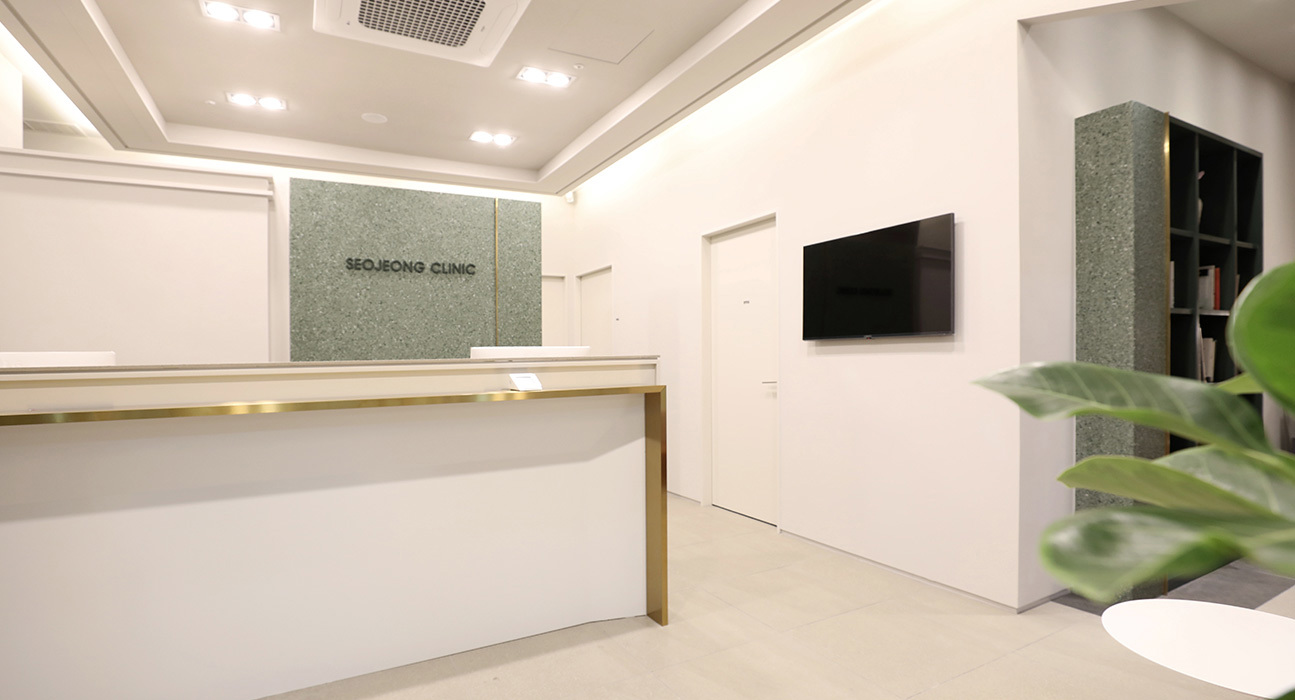
A filler plan is only as good as the assessment behind it, which is why the product and the sites are chosen in the room rather than in advance. SeoJeong Dermatology is at B-123, Lobby Floor, Acro Vista Arcade, 188 Seochojungang-ro, Seocho-gu, Seoul, South Korea. Opening hours are Monday and Thursday 09:30–19:30, Tuesday and Friday 09:30–18:30, and Saturday 09:30–15:00, with a lunch break from 12:30 to 13:30 Monday to Friday; the clinic is closed on Wednesday and Sunday. To arrange a consultation, use the contact page, call +82-2-533-9300, or email info@seojeongclinic.com.
Incheon International Airport is roughly 11 to 13 hours' non-stop flight from the US West Coast and 14 to 16 hours from the East Coast, with departure hubs including Los Angeles, San Francisco, Seattle, New York, Chicago, and Atlanta; Seocho-gu is reached from Incheon by airport limousine, taxi, or public transport. Arriving at least one day before the appointment allows time for travel recovery and the consultation. Korea Standard Time is UTC+9. US citizens are currently exempt from K-ETA only until 31 December 2026, which may change from 1 January 2027, and a digital e-Arrival Card has been mandatory for every entry since 1 January 2026.
Disclaimer
This page is for general information only and is not a substitute for individual medical advice, diagnosis, or treatment. Outcomes vary between individuals, and no specific result is guaranteed. Please consult a qualified medical professional about your own circumstances.
Sources & Further Reading
DermNet — Dermal fillers and augmentation procedures — what fillers are used for, how long collagen and hyaluronic acid last, documented side effects, and prevention measures including antivirals and anticoagulant caution
DermNet — Hyaluronic acid implant — typical duration and treatment frequency, rarity of allergy, facial danger zones, and rare vascular complications including visual loss
NHS — Before you have a cosmetic procedure — risks of surgical and non-surgical procedures, and choosing a practitioner
NHS — Cosmetic surgery abroad — complications, follow-up and language when treated outside your home country
Other Services
Explore additional treatments offered by our specialists.

Wart & Corn Cryotherapy
Wart and corn cryotherapy in Seoul is a treatment at SeoJeong Dermatology in Seocho-gu that uses an extremely cold substance, usually liquid nitrogen, to destroy wart tissue.
Learn More

Thermage Skin Tightening
Thermage skin tightening in Seoul is a non-surgical treatment that uses radiofrequency energy to heat deeper skin tissue and support collagen remodeling.
Learn More
Re2O Skin Booster
Re2O skin booster in Seoul is a skin booster based on human-derived acellular dermal matrix, used in aesthetic treatments intended to improve skin texture and firmness.
Learn More