Personalized Medical Care & Dedicated International Patient Concierge

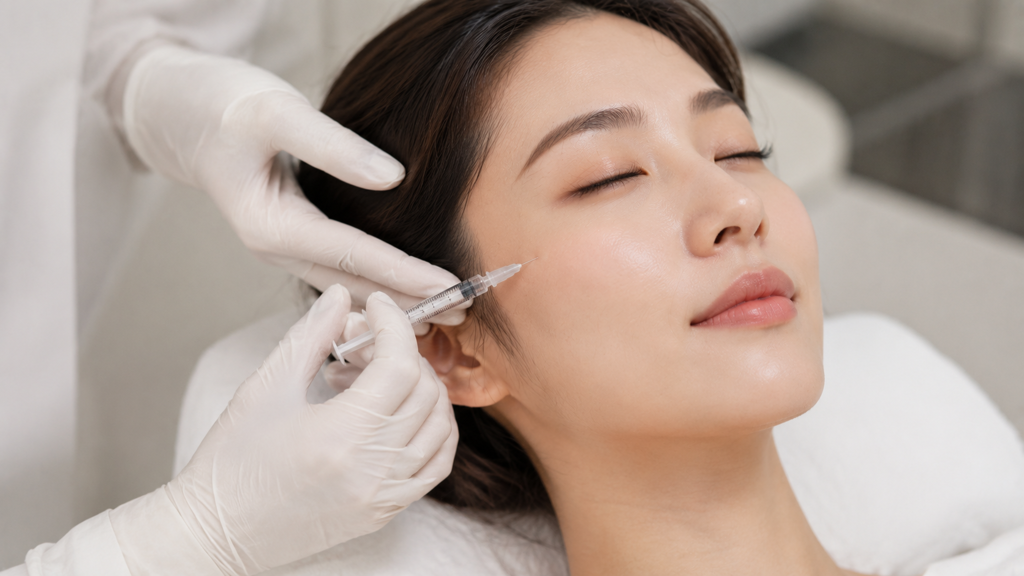
Medical Guide
Risks, Side Effects and Who Should Not Be Treated
A risk-first guide to lifting, injectables and lasers in Seoul: the hard stops, the conditions that mean postponement, and the symptoms that need a call today.
Schedule a ConsultationRisks, Side Effects and Who Should Not Be Treated
Medically reviewed by: Dr. Lee Jiyoung, Board-Certified Dermatologist
Most pages about aesthetic dermatology put the risks at the bottom, after the benefits have done their work. This one starts there, because the information that changes a decision is almost always the information about who should not be treated rather than who could be. What follows is drawn from the treatment documentation SeoJeong Dermatology publishes for its own services, organized by the question a patient actually has: is there anything here that rules me out, and what should I watch for afterward?
How to read a contraindication list
Three categories hide inside any list of this kind, and they call for different responses.
Hard stops. A small number of items mean the treatment should not be performed at all. These are usually device-labeling matters rather than judgment calls.
Postponements. A much larger group means not now: an active infection, an open wound, recent sun exposure, an unstable skin condition. These resolve, and the treatment becomes possible again.
Assessment items. The largest group of all. Pregnancy, bleeding disorders, medications, a history of abnormal scarring, a tendency to pigment after inflammation. None of these is automatically disqualifying, and all of them change the plan if nobody is told about them.
The error patients make is treating the third category as the first and staying silent to avoid being refused. The result is a clinician planning around a picture that is missing its most important feature.
Energy-based lifting
Thermage. The manufacturer's position, as the clinic documents it, is that people with a pacemaker, a defibrillator or another electrical implant should not undergo Thermage treatment. That is a hard stop. A second group requires discussion with the clinician because some uses have not been studied: pregnancy, breastfeeding, diabetes, autoimmune conditions, epilepsy, herpes infections, tattoos, permanent makeup and existing fillers. Active infection in the treatment area requires medical assessment.
Reported effects include temporary redness, swelling and treatment discomfort. Less common complications can include burns, blisters, scarring, altered sensation, lumps or nodules, pigment changes and skin-surface irregularities. Recovery is described as most patients returning to normal activities immediately, with mild redness or swelling usually settling within 24 hours, though swelling may last up to five days or longer in some cases.
Ulthera. Treatment should be avoided over open wounds, lesions, severe or cystic acne, and areas containing implants where the device instructions contraindicate it. Patients with compromised skin, active implanted electronic devices or metal in the treatment area require assessment against the device labeling. Possible effects include temporary redness, swelling, tenderness, tingling, bruising and localized welts; more serious complications can include burns and nerve-related injury.
On comfort, the clinic's own documentation is notably careful. It states that sensations may include heat, tingling or brief discomfort during energy delivery, that comfort varies, and that pain-management choices belong to the treating clinician according to the device instructions and the patient's history. It explicitly warns against promising a treatment free of discomfort or claiming anesthesia is always unnecessary. That is the right standard, and it is the one to hold any clinic to.
Radiofrequency microneedling and fractional resurfacing
These two sit together because they share a mechanism: controlled injury to provoke repair. That is also why they share a risk profile.
3DEEP needle RF. Postponement for active skin infections, open wounds or active inflammatory conditions in the treatment area. Careful assessment for certain implanted electronic devices, bleeding disorders, impaired wound healing or a history of abnormal scarring. Pregnancy and other circumstances are to be discussed according to the device instructions. Expected effects include temporary redness, swelling, tenderness, pinpoint bleeding, bruising and irritation; because the treatment combines microneedles with radiofrequency energy, less common complications may include infection, burns, scarring and pigmentation changes. Risk varies with skin type, needle depth, device settings and individual healing.
Fractional laser resurfacing. Postponement for active infections, open wounds or certain inflammatory skin conditions. Careful assessment for recent tanning, a history of abnormal scarring, certain medications and a tendency toward post-inflammatory pigmentation. Common effects are temporary redness, swelling, warmth, dryness, peeling and sensitivity; possible complications include infection, prolonged redness, burns, scarring, acne flare-ups and temporary or persistent pigmentation changes.
The recurring item across both is pigmentation. If your skin darkens after a scrape, a spot or a sunburn, say so before anyone chooses a setting. That single disclosure changes more treatment plans than any other.
Injectables
Botulinum toxin. Treatment should not proceed with a known allergy to the product or an active infection at the planned injection site. Pregnant or breastfeeding people, people with neuromuscular disorders, and those with swallowing or breathing difficulties should have suitability determined by a qualified medical professional. Certain medications may increase the risk of side effects.
Possible effects include injection-site pain, redness, bruising, headache, and temporary eyelid or brow drooping, facial asymmetry or unwanted muscle weakness. Rarely, toxin effects may spread and cause difficulty swallowing, speaking or breathing. Those symptoms require immediate medical attention, not an email to the clinic. The American Academy of Dermatology's patient guidance on botulinum toxin therapy and the MedlinePlus overview of botulinum toxin injections both describe the same escalation, and it is worth reading one of them before a first treatment rather than after.
Dermal filler. Patients with active skin infection or inflammation at the intended site should generally postpone. A history of severe allergic reactions, relevant product allergies, bleeding disorders or certain medical conditions requires careful assessment. Common effects include swelling, bruising, redness, tenderness, pain and itching; other risks include lumps, asymmetry, infection, allergic reactions, delayed inflammation and filler migration. The Academy's overview of fillers covers the same ground from an independent direction and is a reasonable second read.
Skin boosters and platelet-rich plasma
Rejuran and similar boosters. Postponement for active infection, inflammation or an open wound in the treatment area. Assessment for known allergies to product ingredients, a history of significant reactions to injectable treatments, or certain bleeding or medical conditions. Expect temporary redness, swelling, tenderness, bruising, small raised bumps at injection sites and pinpoint marks; less common complications include infection, persistent inflammation, lumps or nodules, allergic reactions and uneven results. The clinic adds a sentence that applies to this whole category: any injectable treatment may carry rare serious risks depending on the product and the technique.
Platelet-rich plasma. This one has a distinct exclusion set, because it begins with your own blood. PRP may be unsuitable or require postponement for people with certain blood or platelet disorders, significantly low platelet counts, active infections, some cancers, or other conditions affecting treatment safety. Side effects include temporary pain, tenderness, redness, swelling, bruising or minor bleeding at the collection or treatment site; less common complications include infection, nerve or tissue injury, or an inflammatory reaction.
If you have a hematological condition of any kind, this is the treatment to raise it for, even if you consider it well controlled.
Pigment lasers, and the tattoo trap
Laser toning has an exclusion list that is unusually specific and unusually easy to overlook.
Active inflammatory skin conditions, including a rosacea flare, eczema or active acne, must be stabilized first. Skin showing active redness or increased vascularity is a poor indicator for toning. And a history of skin-coloring tattooing in the treatment area carries a risk of paradoxical darkening, meaning the pigment can respond to the laser by becoming darker rather than lighter.
That last point catches people who do not think of themselves as tattooed. Cosmetic or semi-permanent tattooing of brows, eyeliner or lip color is tattooing for this purpose. If you have had any of it, say so and say where, even if it has faded.
Risks for toning include temporary redness, swelling and sensitivity, with potential complications including burns, post-inflammatory hyperpigmentation, hypopigmentation and mottled light spots. The Academy's guidance on treating melasma is worth reading alongside this, because pigment conditions are managed over months rather than settled in a session and that expectation shapes whether a course feels successful.
Moles and growths: the risk that is not cosmetic
This section is short and it matters more than its length suggests.
Where a mole or growth is suspicious, changing, irregular or undiagnosed, appropriate medical evaluation comes before any removal. The clinic's own documentation for CO2 laser removal states the reason plainly: laser treatment may destroy tissue needed for histopathological examination. In other words, removing a lesion with a laser can eliminate the material a pathologist would have needed to examine.
Other considerations for this treatment are active infections or conditions affecting wound healing, and a history of abnormal scarring or pigmentation change. Possible effects include redness, swelling, tenderness, crusting and minor bleeding; complications may include infection, delayed healing, scarring, persistent redness, pigmentation changes, incomplete removal and recurrence.
The practical rule for a patient is simple. A lesion you want removed because you dislike how it looks is a cosmetic question. A lesion that has changed is a medical one, and the order of operations is not negotiable.
Scar treatment
Trifill scar subcision may need to be postponed or avoided with active skin infection, open or unhealed wounds, or other conditions that increase treatment risk. Pregnancy, breastfeeding, bleeding disorders, anticoagulant use and allergies require individual medical assessment. Risks include redness, swelling, bruising, tenderness, temporary skin-texture changes, infection, pigment changes and uneven results.
Anticoagulant use is the item to flag here. Subcision works beneath the skin surface, and medication affecting clotting changes both the procedure and the bruising that follows.
Scar work also carries an expectation risk rather than only a medical one. Uneven results appear on the clinic's own list of possible outcomes, and scar treatment is ordinarily a course rather than a single appointment. A patient who books one session expecting a finished result has set up a disappointment that no technique can prevent, which is why the number of sessions and the review point should be agreed before the first one rather than after it. Ask what the plan looks like if the first session achieves less than hoped, because that answer is the one that tells you whether a course has been thought through.
The disclosure list that applies to everything
Across every treatment above, the same handful of facts keeps changing the plan. Prepare them in writing before your consultation:
- Implanted electronic devices of any kind, including pacemakers and defibrillators, and metal implants in or near the treatment area
- Pregnancy, the possibility of pregnancy, or breastfeeding
- All medications and supplements, with particular attention to anticoagulants, antiplatelet medicines and recent isotretinoin or other retinoids
- Bleeding, clotting or platelet disorders, and any blood condition
- Allergies, especially to injectable products or local anesthetics
- Active skin conditions: infection, open wounds, eczema, rosacea flare, active acne
- A history of abnormal scarring, keloids, or pigmentation change after injury or inflammation
- Any tattooing in the treatment area, including cosmetic or semi-permanent work
- Previous aesthetic treatments and existing fillers, with approximate dates
- Recent sun exposure or tanning
That list takes ten minutes to write and removes most of the uncertainty from a consultation. It is also the single most useful thing an international patient can prepare, because the consultation and the treatment often happen on the same visit, which leaves no gap in which a forgotten detail can surface safely. Bring it printed as well as on a phone, and hand it over at the start rather than answering each item from memory as it is asked.
Warning signs: contact, do not wait
Expected effects settle. These do not, and they warrant contact rather than observation:
- Severe or escalating pain
- Blistering, burns or skin breakdown
- Spreading redness, warmth or discharge suggesting infection
- Pale, mottled or unusually discolored skin after an injectable
- Any visual symptom after a facial injection
- Persistent numbness or altered sensation
- Difficulty swallowing, speaking or breathing after botulinum toxin, which is an emergency
Arrange the channel before you need it. SeoJeong Dermatology directs post-treatment questions through its own contact route, with one English-speaking coordinator available during Korean clinic hours, and the physician who treated you is the one who follows up. Set that up through the clinic contact page before you fly home rather than searching for it at a bad moment, and note that the assessment itself sits with Dr. Lee Jiyoung as the clinic's only physician.
One caution specific to distance: a symptom that would send you to a clinic across town should still send you to a clinician when you are eight time zones away. Local emergency care comes first, and the treating clinic second. Do not wait for a reply across a time difference before seeking urgent care.
The Bottom Line
- A pacemaker, defibrillator or other electrical implant is a stated hard stop for Thermage; implanted devices and metal require assessment for several other treatments.
- Most exclusions are postponements rather than refusals: active infection, open wounds, unstable skin conditions and recent tanning resolve.
- Cosmetic or semi-permanent tattooing in a treatment area risks paradoxical darkening with pigment lasers, so disclose it even if faded.
- A suspicious or changing mole needs evaluation before removal, because laser treatment may destroy tissue a pathologist would need.
- Difficulty swallowing, speaking or breathing after botulinum toxin is an emergency; seek local care first and tell the clinic second.
Frequently Asked Questions
I have a pacemaker. Can I have skin tightening?
Not with Thermage. The manufacturer's position, as the clinic documents it, is that people with a pacemaker, defibrillator or other electrical implant should not undergo that treatment. Other modalities have their own labeling, so the question has to be asked about the specific device rather than about tightening in general.
Does pregnancy rule out these treatments?
It is usually an assessment item rather than an absolute bar, and it appears across the clinic's documentation for several treatments as something to discuss with the clinician. Elective aesthetic treatment is commonly postponed during pregnancy and breastfeeding because safety data are limited.
Why does my tattoo matter for a pigment laser?
Because a history of skin-coloring tattooing in the treatment area carries a risk of paradoxical darkening, where the pigment responds by darkening rather than clearing. Cosmetic brow, eyeliner and lip tattooing count.
I darken easily after a spot heals. Is that relevant?
Very. A tendency toward post-inflammatory pigmentation appears as an assessment item for fractional resurfacing, needle radiofrequency and pigment lasers alike, and it changes device choice and settings.
Can I have a mole removed while I am in Seoul?
A mole that is suspicious, changing, irregular or undiagnosed needs medical evaluation before any removal, because laser treatment may destroy tissue needed for examination. A stable, previously assessed lesion is a different conversation.
What should I disclose if I take blood thinners?
Say so explicitly, including the drug name and dose. Anticoagulant and antiplatelet medicines appear as assessment items for subcision, injectables and boosters, and they affect bruising and bleeding. Do not stop a prescribed medicine on your own.
Is discomfort during treatment normal?
Some sensation is expected with energy-based treatments, and the clinic's own documentation says comfort varies and that pain-management choices belong to the treating clinician. It explicitly cautions against promising that a treatment will be free of discomfort, which is the standard any clinic should be held to.
Who decides whether I am suitable?
The examining physician. At this clinic that is its sole physician, who performs the assessment and the treatment. The American Academy of Dermatology's safety guidance makes the same point generally: the qualifications of the person evaluating and treating you are the central safety variable.
This article is for general informational purposes only and is not individualized medical advice or a tool for self-diagnosis. Whether any treatment described here suits you can only be decided by a board-certified dermatologist who examines you in person, and individual results vary.
More Articles
Continue reading our clinical guides.
Risks, Side Effects and Who Should Not Be Treated
A risk-first guide to lifting, injectables and lasers in Seoul: the hard stops, the conditions that mean postponement, and the symptoms that need a call today.
Learn More
How SeoJeong Dermatology Documents Device Authenticity
Five brand authenticity plaques, 23 listed devices and named manufacturers. What that documents, what it does not, and how to check any Korean clinic yourself.
Learn More

Dr. Lee Jiyoung: Board-Certified Seoul Dermatologist
Credentials you can check: Korean board certification, an ECFMG certificate, 20+ years in practice, five society memberships and three prior director roles.
Learn More