Personalized Medical Care & Dedicated International Patient Concierge


Specialty Overview
IV Therapy & Vitamin Injections
IV therapy and vitamin injections involve administering fluids or selected nutrients through an intravenous infusion or an intramuscular injection.
Schedule a ConsultationIV Therapy & Vitamin Injections

Medically reviewed by Dr. Lee Jiyoung, Board-Certified Dermatologist
IV therapy and vitamin injections involve administering fluids or selected nutrients through an intravenous infusion or an intramuscular injection. At SeoJeong Dermatology in Seocho-gu, Seoul, the formulation and route depend on the treatment selected and on the patient's individual needs, and a medical assessment determines whether supplementation is appropriate at all.
What Is IV Therapy & Vitamin Injections?
This category covers two delivery routes rather than one treatment. An intravenous infusion delivers fluids or prescribed nutrients directly into the bloodstream; an intramuscular injection delivers them into muscle tissue. What is delivered, and whether anything should be, is decided by assessment.
An IV infusion takes approximately 30 to 60 minutes; a vitamin injection takes around 5 to 15 minutes.
Typically one visit per treatment session, with further sessions based on medical assessment.
Relevant examinations or laboratory tests may be recommended to assess nutritional status.
The documented claim is that the treatments "provide a method of administering selected fluids or nutrients when clinically appropriate" and that suitability, benefits and risks depend on the formulation, route, and individual medical needs.
The clinic states the limit of that claim directly, and it is unusually clear for this category: treatment is not a guaranteed method for improving energy, boosting immunity, enhancing skin appearance, or preventing illness in people without a relevant clinical need. On the specific question of immune drips, the clinic's position is that there is insufficient evidence that a general "immune booster" IV drip improves immunity or prevents infections in otherwise healthy, adequately nourished people.
Where an infusion does have a documented role is narrower: correcting a particular deficiency, or helping manage fluid depletion, depending on its ingredients and the patient's condition. Oral supplementation is often appropriate when the digestive system can absorb nutrients adequately, which is the first question an assessment asks.
Who Performs IV Therapy & Vitamin Injections at SeoJeong Dermatology

Dr. Lee Jiyoung
Board-certified Dermatologist
Assessment is carried out by Dr. Lee Jiyoung, Chief Director of SeoJeong Dermatology and a board-certified dermatologist in South Korea with more than 20 years of clinical experience. Her medical education and her dermatology specialist training were both completed in South Korea, and she holds an ECFMG certificate. The documented process has a qualified healthcare professional administer the prescribed infusion or injection using appropriate clinical procedures, and monitor the patient for immediate reactions afterwards.
The assessment itself is the substantive part of this category, more so than the administration. The clinician reviews symptoms, medical history, current medications, allergies, existing medical conditions, and supplement use, and may recommend examinations or laboratory tests where clinically indicated. Several of those questions are not formalities: kidney and heart conditions, fluid-balance disorders, and ingredient allergies each change whether a given formulation is safe.
Before establishing the clinic in April 2022, she was Director at Cheongdam Lee Ji-ham Dermatology Clinic, at B&C Dermatology Clinic's Gangnam branch, and at CU Cleanup Dermatology Clinic's Yeongdeungpo branch. She is a regular member of the Korean Dermatological Association, the Korean Association of Dermatologists, the Korean Academy of Anti-Aging Dermatology, the Korean Acne Society, and the Korean Atopic Dermatitis Association. SeoJeong Dermatology is a single-physician clinic, and a dedicated global coordinator supports international patients with English-language communication.
IV Therapy & Vitamin Injections Options Available

Treatment | Route | Session |
|---|---|---|
Intramuscular injection | Injection approx. 5–10 minutes; visit approx. 15–30 minutes | |
Intravenous infusion | Approximately 30–90 minutes | |
Intravenous infusion | Approximately 20–60 minutes | |
Intravenous infusion | Approximately 20–60 minutes |
Two of these need separating out, because they are routinely confused. Placenta-derived injections and vitamin D injections are different treatments with different ingredients and different intended uses. Vitamin D injections may be prescribed to treat or prevent vitamin D deficiency when clinically appropriate. For placenta-derived products the clinic's own documented position is that benefits, safety, and suitability depend on the specific product and the available evidence, and that claims about skin rejuvenation, anti-aging, energy, immunity, or hormonal benefits should not be made unless adequately supported and legally permitted for that product. No such claim is made here.
What is the same for every branded infusion is the shape of the visit — consultation, assessment of suitability, IV insertion, controlled infusion, and post-treatment monitoring — and that a licensed medical professional assesses each candidate against the actual ingredients, their medical history, and the intended purpose.
Alternatives are the ordinary ones: dietary changes, oral vitamin or mineral supplements, and treatment of an underlying medical condition.
Who Is a Good Candidate for IV Therapy & Vitamin Injections?
Patients with a medically identified nutritional deficiency.
Patients with a specific clinical need for injectable nutrient supplementation.
Patients for whom oral intake or absorption is inadequate or unsuitable.
Treatment may be unsuitable, or require additional assessment, for:
People with allergies to the ingredients.
People with certain kidney or heart conditions.
People with fluid-balance disorders, fluid restrictions, or relevant electrolyte imbalances.
People with an active infection at the proposed insertion site.
People with a history of serious reactions to an ingredient.
People who are pregnant or breastfeeding, where the formulation may need to change.
Vitamin D carries an additional, specific exclusion: vitamin D toxicity, elevated blood calcium, or certain kidney conditions make injection unsuitable.
Why patients from the United States ask about this treatment
Patients from the United States may ask about nutrient supplementation, hydration, or the management of specific nutritional deficiencies. Suitability and potential benefits depend on health status, nutritional needs, and the ingredients administered.
The recorded trust concerns for this group map onto this category closely. Confidence in the authenticity and traceability of injectable products and medical devices is one of them, and it is the right question to ask about any injectable. Understanding potential risks, side effects and contraindications is another, and here the contraindications are largely internal-medicine ones rather than dermatological. Access to accurate English-language explanations, consent forms and aftercare instructions is a third.
The questions patients most often want settled are whether they are a suitable candidate for the recommended treatment, and what the total cost will be before they decide. Both belong at the start of this conversation rather than at the end of it.
Consultation and assessment
The clinician reviews symptoms, medical history, current medications, allergies, existing conditions, and supplement use, and may recommend relevant examinations or laboratory tests to assess nutritional status and determine whether supplementation is appropriate.
Inform the clinician about current medications and supplements, allergies, pregnancy or breastfeeding, and any kidney, heart, or other significant medical condition, as well as any previous reaction to an injection or infusion. Follow the instructions given about food, fluids, and any required tests, and do not stop prescribed medications unless the treating clinician advises it.
The NHS is a useful reference point for what a deficiency conversation actually involves. It states that vitamin D helps regulate the amount of calcium and phosphate in the body, nutrients needed to keep bones, teeth and muscles healthy, and that a lack of it can lead to rickets in children and osteomalacia in adults. It advises that children from the age of 1 and adults need 10 micrograms a day, that from about late March to the end of September most people can make all they need from sunlight, and that everyone should consider a daily supplement during autumn and winter — with a year-round supplement recommended for people who are not often outdoors, who are in an institution such as a care home, who usually wear clothes covering most of their skin outdoors, or who have dark skin.
What to Expect: Procedure, Recovery, and Results Timeline
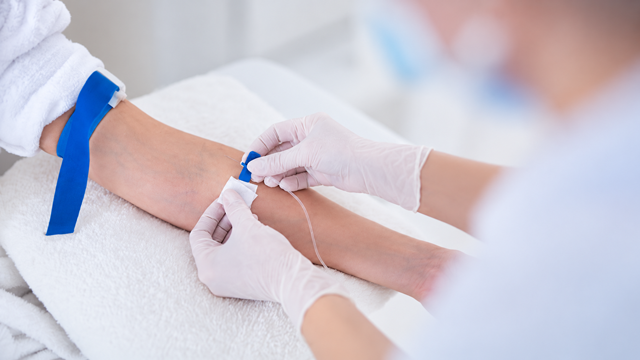
Consultation. Health concerns, medical history, medications, and allergies are reviewed.
Treatment selection. The formulation and administration route are determined from the patient's needs.
Administration. A qualified healthcare professional gives the prescribed infusion or injection.
Post-treatment assessment. The patient is monitored for immediate reactions and given aftercare instructions.
General anesthesia is not required. Patients may feel a brief pinch or sting as the needle is inserted, and temporary discomfort or bruising may occur at the insertion site during an infusion.
Stage | What to expect |
|---|---|
IV infusion | Approximately 30–60 minutes |
Vitamin injection | Approximately 5–15 minutes |
Visits | Typically one per treatment session |
Return to activity | Immediately or within a few hours after an uncomplicated session |
Injection-site soreness, redness or bruising | May persist 1–3 days |
Short-term change in hydration or energy | Some patients within 24–72 hours |
Correcting a nutritional deficiency | Several days to a few weeks |
Stay in Korea | Outpatient; an overnight stay is not usually required |
Flying home | Often the same day after an uncomplicated session |
How long any benefit lasts depends on the nutrients administered, individual nutritional status, and underlying health needs, and repeat treatments should be based on medical assessment rather than on a schedule.
Before your treatment
Follow the clinic's preparation instructions, including anything you are told about food, fluids, and tests. Avoid alcohol if advised. Maintain appropriate hydration unless you have been told to restrict fluids. Disclose allergies, medical conditions, medications, supplements, and any previous reactions to injections or infusions.
After your treatment
Follow the instructions you are given and maintain normal hydration unless advised to restrict fluids. Keep the injection or IV site clean and watch for increasing redness, swelling, pain, or discharge. Seek urgent medical attention for difficulty breathing, facial or throat swelling, chest pain, or other severe symptoms.
Combining IV Therapy & Vitamin Injections with Other Treatments
IV therapy and vitamin injections may be used alongside other treatments when medically appropriate. The conditions on that are specific: the combination depends on the patient's health, confirmed ingredient compatibility, potential interactions, and a qualified clinician's assessment.
Ingredient compatibility is the part that distinguishes this category from the clinic's skin treatments. Two infusions that are each reasonable may not be reasonable together, and an infusion may interact with medication a patient is already taking. That is a prescribing question rather than a scheduling one.
Safety, Precision, and Clinic Standards

Possible side effects include pain, redness, swelling, or bruising at the injection site. Intravenous treatment may also cause vein irritation, infection, or fluid-related complications. Nausea, dizziness, or flushing may occur depending on the ingredients and infusion rate. Allergic reactions and adverse effects from excessive doses of certain nutrients are possible, and risks depend on the ingredients, dosage, route, and individual health status. Rare but serious complications include infection and allergic reactions; urgent medical care is needed for difficulty breathing or swelling of the face or throat.
Excess has its own risks, and they are not hypothetical. Excessive vitamin D exposure can cause high blood calcium, which may lead to nausea, weakness, excessive thirst, frequent urination, kidney complications, and potentially serious effects. The NHS makes the same point about supplementation generally, noting that taking too many vitamin D supplements over a long period can cause too much calcium to build up in the body, and that for vitamin C, taking more than 1,000 mg a day can cause stomach pain, diarrhoea and flatulence.
At SeoJeong Dermatology, treatment planning is carried out by a Korean board-certified dermatologist, each patient receives an individual skin assessment to select treatments suited to their needs, and consultation precedes the selection of any procedure. The clinic is a Registered Medical Institution for Attracting Foreign Patients, certified by the Ministry of Health and Welfare in compliance with the Medical Overseas Expansion and Foreign Patients Attraction Act; its business registration number is 342-17-01916. Treatment takes place in private consultation and treatment rooms offering one-to-one care.
The NHS states that all cosmetic procedures carry some risk, whether surgical or non-surgical, and that they can lead to serious complications if not done correctly. Its advice is to choose a reputable, safe and qualified practitioner trained and experienced in the procedure you are having, and to ask about the procedure, the products used, and what could go wrong.
If you are travelling for treatment
NHS guidance on having cosmetic treatment abroad advises finding out what happens if there are complications, where follow-up appointments will be, and how easily you could travel back to the destination where you were treated. It notes that overseas clinics may not provide follow-up treatment to the same standard, and advises asking whether the practitioner speaks a language you understand, since they need to be able to explain the procedure and understand your concerns.
Incheon International Airport is roughly 11 to 13 hours' non-stop flight from the US West Coast and 14 to 16 hours from the East Coast, with departure hubs including Los Angeles, San Francisco, Seattle, New York, Chicago, and Atlanta; Seocho-gu is reached from Incheon by airport limousine, taxi, or public transport. Arriving at least one day before the appointment allows time for travel recovery and the consultation. Korea Standard Time is UTC+9. US citizens are currently exempt from K-ETA only until 31 December 2026, which may change from 1 January 2027, and a digital e-Arrival Card has been mandatory for every entry since 1 January 2026. Bring a current list of your medications and supplements, since the assessment depends on it.
The Bottom Line
An assessment decides whether injectable supplementation is appropriate before anything is administered.
An infusion takes roughly 30 to 60 minutes; an injection takes 5 to 15 minutes, usually in one visit.
Oral supplementation is often appropriate when the gut can absorb nutrients adequately.
The clinic does not claim improved energy, immunity, skin quality, or illness prevention for people without a relevant clinical need.
Kidney and heart conditions, fluid restrictions, electrolyte disorders, and ingredient allergies all require assessment first.
Frequently Asked Questions
Who is a good candidate?
Patients with a medically identified nutritional deficiency, or a specific clinical need for injectable supplementation. The clinician evaluates health, symptoms, dietary intake, and medical history before recommending treatment.
Who should avoid or postpone treatment?
Treatment may be unsuitable for people with allergies to the ingredients, certain kidney or heart conditions, fluid-balance disorders, or other conditions that increase the risks of intravenous fluids or nutrient administration. Suitability depends on the specific formulation.
How long does it take?
An IV infusion takes approximately 30 to 60 minutes, and a vitamin injection around 5 to 15 minutes, excluding consultation and preparation. Typically one visit per session, with any further sessions based on assessment.
Is it painful?
Patients may feel a brief pinch or sting when the needle is inserted. Mild soreness, redness, or bruising at the site may occur and usually improves within one to three days.
What side effects should I expect?
Temporary pain, redness, swelling, or bruising at the injection site are the common ones, and some patients experience nausea or dizziness. Depending on the formulation and infusion rate, other reactions may occur; infection and allergic reactions are rare but possible.
When will I see results?
Some patients notice short-term changes in hydration or energy within 24 to 72 hours. Where treatment addresses a nutritional deficiency, improvement may take several days to a few weeks, and the duration of any benefit varies with the nutrients given and individual health needs.
How long should I stay in Korea, and when can I fly home?
These are outpatient treatments and do not usually require an overnight stay. Many patients can fly home the same day after an uncomplicated session, though anyone with unexpected symptoms should seek medical advice before travelling.
Can I have the consultation in English?
Yes. International patients receive consultations in English at SeoJeong Dermatology, supported by a dedicated global coordinator who handles English-language communication and consultation arrangements.
Book a Consultation at SeoJeong Dermatology

The useful first step here is the assessment, not the drip: whether supplementation is indicated at all, and if so by which route. SeoJeong Dermatology is at B-123, Lobby Floor, Acro Vista Arcade, 188 Seochojungang-ro, Seocho-gu, Seoul, South Korea. Opening hours are Monday and Thursday 09:30–19:30, Tuesday and Friday 09:30–18:30, and Saturday 09:30–15:00, with a lunch break from 12:30 to 13:30 Monday to Friday; the clinic is closed on Wednesday and Sunday. To arrange a consultation, call +82-2-533-9300 or email info@seojeongclinic.com.
Disclaimer
This page is for general information only and is not a substitute for individual medical advice, diagnosis, or treatment. Outcomes vary between individuals, and no specific result is guaranteed. Please consult a qualified medical professional about your own circumstances.
Sources & Further Reading
NHS — Vitamin D — what vitamin D does, daily requirement, who should supplement year-round, and the risk of taking too much
NHS — Vitamin C — functions, daily requirement, and effects of excessive supplementation
NHS — Before you have a cosmetic procedure — risks and choosing a practitioner
NHS — Cosmetic surgery abroad — aftercare, follow-up and language when treated outside your home country
Related Services
Procedures available within our clinical departments.

Acne Care & Extraction
Acne care and extraction in Seoul is a non-surgical skin-care service addressing clogged pores, blackheads, whiteheads and selected acne lesions.
Learn More

3DEEP Needle RF
3DEEP Needle RF in Seoul is a radiofrequency-based treatment that delivers energy into targeted skin layers using a specialised device.
Learn More

Acne Laser & Light Therapy
Acne laser and light therapy in Seoul uses selected laser or light-based devices to help manage certain types of acne.
Learn More