Personalized Medical Care & Dedicated International Patient Concierge

Specialty Overview
Fat-Dissolving Injections
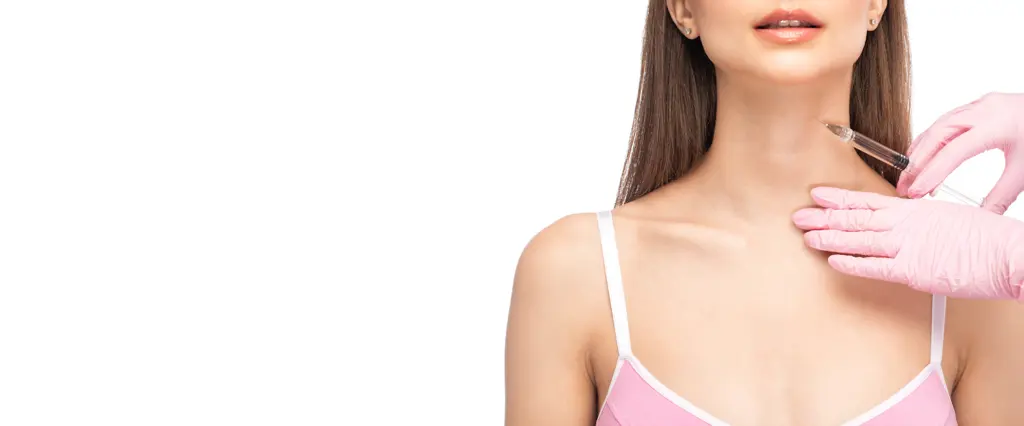
A fat-dissolving injection is a non-surgical treatment in which a substance is injected into a targeted area of fat beneath the skin, where, depending on the medication used, it can damage fat cells and gradually reduce localized fullness.
Schedule a ConsultationFat-Dissolving Injections
Medically reviewed by Dr. Lee Jiyoung, Board-Certified Dermatologist
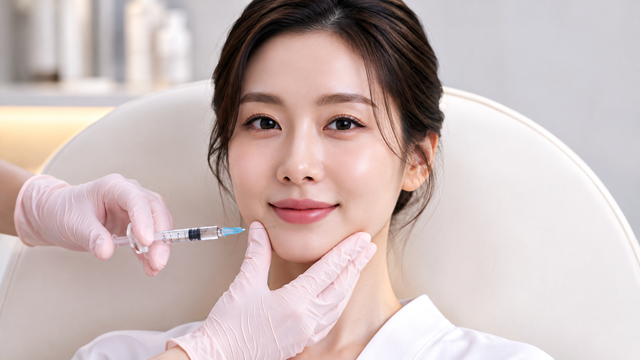
Fat-dissolving injections are a non-surgical treatment that involves injecting a substance into a targeted area of subcutaneous fat. Depending on the medication used, the treatment can damage fat cells and gradually reduce localized fullness. At SeoJeong Dermatology in Seocho-gu, Seoul, the treatment area, the injectable product, the dosage, and the number of sessions all depend on the product's approved indication and on an individual medical assessment.
What Is Fat-Dissolving Injections?
A fat-dissolving injection is a non-surgical treatment in which a substance is injected into a targeted area of fat beneath the skin, where, depending on the medication used, it can damage fat cells and gradually reduce localized fullness. The change is gradual: this is not a treatment with a same-week result.
The target is localized fat, not overall body weight.
The treatment may reduce localized fat and improve contour.
Results vary, and weight loss is not guaranteed.
Each session typically takes 15 to 30 minutes.
Multiple sessions, spaced several weeks apart, are usual.
Which product, what dosage, and how many sessions are set by the product's approved indication and an individual medical assessment.
At this clinic the treatment is offered for the double chin and the cheeks. It is the only treatment area the clinic offers in this category.
Who Performs Fat-Dissolving Injections at SeoJeong Dermatology
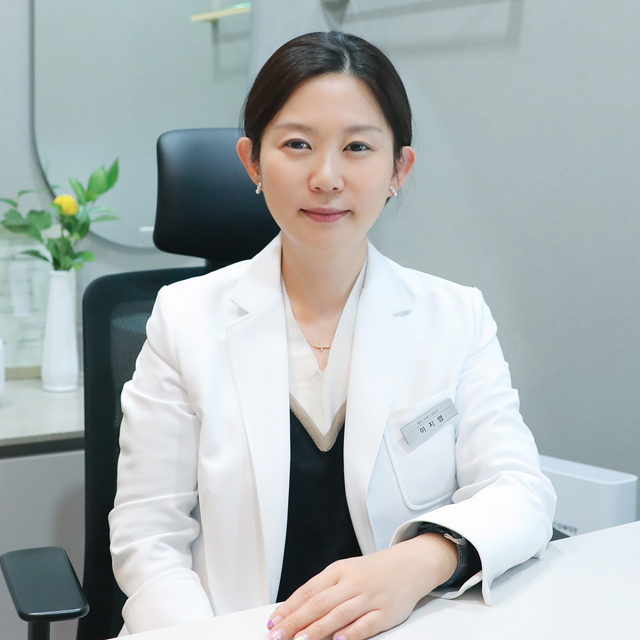
Dr. Lee Jiyoung
Board-certified Dermatologist
Assessment, product selection, and injection are carried out by Dr. Lee Jiyoung, Chief Director of SeoJeong Dermatology. She is a board-certified dermatologist in South Korea with more than 20 years of clinical experience, having completed her medical education and her dermatology specialist training in South Korea, and she holds an ECFMG certificate.
The clinic's documented consultation process for this category is a medical history review, an examination of the treatment area, product selection, a suitability assessment, and informed consent — five steps that are a clinical sequence rather than a sales conversation, and that depend on the person assessing you being qualified to judge whether the treatment is appropriate at all. SeoJeong Dermatology operates as a single-physician clinic, so the clinician who performs that assessment is the clinician who injects.
Before founding the clinic in April 2022, she served as Director at Cheongdam Lee Ji-ham Dermatology Clinic, at B&C Dermatology Clinic's Gangnam branch, and at CU Cleanup Dermatology Clinic's Yeongdeungpo branch. She is a regular member of the Korean Dermatological Association, the Korean Association of Dermatologists, the Korean Academy of Anti-Aging Dermatology, the Korean Acne Society, and the Korean Atopic Dermatitis Association. A dedicated global coordinator supports international patients with English-language communication and consultation arrangements.
Who Is a Good Candidate for Fat-Dissolving Injections?
Adults with localized fat deposits.
People with realistic expectations about what the treatment changes and what it does not.
People with no contraindications to the selected product.
The treatment is not suitable for:
People with an injection-site infection.
People with relevant allergies.
People with certain medical conditions.
Anyone with other contraindications identified by the clinician at assessment.
Realistic expectations matter particularly here. Treatment may reduce localized fat and improve contour; results vary, and weight loss is not guaranteed. A fat-dissolving injection addresses a specific deposit in a specific place; it is not a weight-management treatment and should not be chosen as one.
Why patients from the United States ask about this treatment
Patients from the United States typically request fat-dissolving injections to reduce a localized pocket of fat and refine a contour — here, the double chin and the cheeks — where fullness has stayed despite diet and exercise. The appeal is that it offers a non-surgical option for suitable candidates, and suitability here is a clinical judgement rather than a preference.
The result patients are most pleased with in this category is reduced fullness under the chin and in the cheeks, which is exactly what the clinic treats here. Their usual concerns are the safety of the treatment and what side effects and complications are possible, how many sessions will be needed and what result to expect, and how much recovery time to allow in Korea. The timeline below answers the last two directly.
Consultation and assessment
The consultation reviews your medical history, examines the treatment area, selects a product, assesses your suitability, and takes informed consent. Provide your medical history, disclose current medications and allergies, and follow the clinician's instructions regarding any medication adjustments and the preparation of the treatment area before the procedure. Avoid alcohol beforehand, disclose all medications and supplements, and do not stop a prescribed medication without medical advice.
The broader set of consultation concerns documented for patients travelling from the United States applies here too: getting an accurate assessment, understanding which treatment is most suitable, discussing benefits, limitations, risks and possible side effects directly with the doctor, confirming candidacy, understanding the process and expected discomfort, discussing realistic outcomes and how many sessions may be needed, clarifying total cost before deciding, and understanding preparation and post-treatment care. For a treatment delivered in multiple sessions several weeks apart, the session-count question is the one to settle before booking travel.
What to Expect: Procedure, Recovery, and Results Timeline
The treatment area and your medical history are assessed.
The target area is cleaned and marked.
The fat-dissolving product is injected into the planned area.
Aftercare instructions are given and a follow-up is scheduled if needed.
General anesthesia is usually unnecessary. Local or topical numbing may be used, depending on the product and the treatment area. Mild to moderate discomfort, including stinging or burning, may occur during the injections.
Stage | What to expect |
|---|---|
Session length | Typically 15–30 minutes |
Sessions | Multiple, spaced several weeks apart, depending on the area and individual needs |
Weeks 1–2 | Swelling, bruising, and tenderness generally improve, depending on the treatment area and product |
Weeks 4–6 | Initial results may appear |
Up to week 8 | Improvement may continue; results typically develop over 4–8 weeks |
Longevity | Varies by product and by weight changes |
Stay in Korea | 1–2 days may be sufficient, depending on the treatment plan and recovery |
Flying home | After 24–48 hours may be possible if you feel well and have no complications, subject to your doctor's advice |
After your treatment
Follow the wound-care instructions you are given, avoid unnecessary pressure on the treated area, and attend any follow-up visits. Because initial results take four to six weeks to appear and may continue developing to eight weeks, most of the result will emerge after you have returned home. The questions worth asking before you leave the clinic are: how to care for the treated area at home, which side effects are normal and which require medical attention, when normal activities can resume, and whom to contact if symptoms worsen or an unexpected reaction occurs.
Combining Fat-Dissolving Injections with Other Treatments
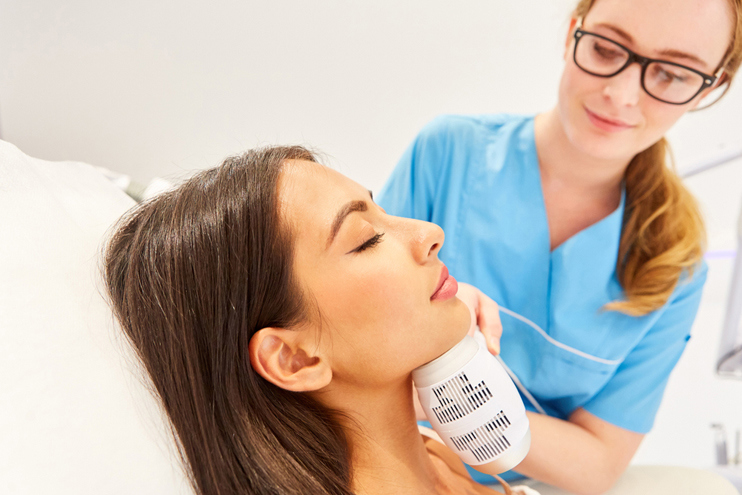
Fat-dissolving injections may be considered alongside selected skin-tightening or facial-contouring treatments, planned around your anatomy, your goals, and the recovery each one needs; they do not all have to happen in the same session. Any combination requires a doctor's assessment for safety and suitability, which is not a formality: combining treatments on the same area changes both the risk profile and the recovery.
Considered on their own, the alternatives to this treatment are cryolipolysis, ultrasound-based treatments, radiofrequency treatments, and liposuction. The first three are non-surgical; the last is not. Which, if any, is appropriate is a consultation question.
There is a practical reason to raise combination at the first consultation rather than later. This treatment runs across multiple sessions spaced several weeks apart, and its result is not readable for four to eight weeks. A second treatment layered onto the same area in the interim makes it harder to attribute either the result or a side effect to the right cause. If you are planning a single trip to Seoul and want more than one thing addressed, the useful conversation is about what can sensibly be done in that window and what is better left for a later visit — a question the clinic answers from the treatment plan rather than from the calendar.
Safety, Precision, and Clinic Standards

The risks of this treatment are swelling, pain, bruising, redness, lumps, infection, nerve injury, and tissue damage. Common side effects are swelling, bruising, redness, tenderness, and temporary firmness around the injection site. Nerve injury and tissue damage sit at the serious end of that list and are the reason the treatment belongs with a clinician who has examined the anatomy of the area being injected.
Three documented practices define how the clinic manages that risk: treatment planning is carried out by a Korean board-certified dermatologist, each patient receives an individual skin assessment to select treatments suited to their needs, and consultation precedes the selection of any procedure. The clinic is a Registered Medical Institution for Attracting Foreign Patients, certified by the Ministry of Health and Welfare in compliance with the Medical Overseas Expansion and Foreign Patients Attraction Act; its business registration number is 342-17-01916. Treatment takes place in private consultation and treatment rooms offering one-to-one care.
Informed consent is a formal step in this clinic's documented process for this category, not an implied one. The NHS makes the same point from the patient's side: it states that all cosmetic procedures carry some risk, whether surgical or non-surgical, that they can lead to serious complications if not done correctly, and that you should ask the practitioner about the procedure, the products they will use, and what could go wrong. Its guidance is also to take time to decide, and it notes that you should be offered a cooling-off period after any consultation.
If you are travelling for treatment
NHS guidance on having cosmetic treatment abroad advises finding out what happens if there are complications, where follow-up appointments will be, and how easily you could travel back to the destination where you were treated. It notes that overseas clinics may not provide follow-up treatment to the same standard, and advises asking whether the practitioner speaks a language you understand, since they need to be able to explain the procedure and understand your concerns. For a multi-session treatment whose result develops over four to eight weeks, those are not abstract questions.
Incheon International Airport is roughly 11 to 13 hours' non-stop flight from the US West Coast and 14 to 16 hours from the East Coast, with departure hubs including Los Angeles, San Francisco, Seattle, New York, Chicago, and Atlanta; Seocho-gu is reached from Incheon by airport limousine, taxi, or public transport. Arriving at least one day before the appointment allows time for travel recovery and the consultation. Korea Standard Time is UTC+9. US citizens are currently exempt from K-ETA only until 31 December 2026, which may change from 1 January 2027, and a digital e-Arrival Card has been mandatory for every entry since 1 January 2026. After returning home, patients can contact the clinic directly with post-treatment questions, coordinated through the global coordinator.
The Bottom Line
Fat-dissolving injections target a localized fat deposit; they are not a weight-loss treatment, and weight loss is not guaranteed.
At this clinic the documented treatment area is the double chin and the cheeks.
Each session takes 15 to 30 minutes, and multiple sessions spaced several weeks apart are usual.
Swelling, bruising, and tenderness generally improve within one to two weeks; initial results appear at four to six weeks and may continue developing to eight.
Risks include lumps, infection, nerve injury, and tissue damage, which is why assessment and injection are performed by a board-certified dermatologist.
Frequently Asked Questions
Who is a good candidate for fat-dissolving injections?
Adults with localized fat deposits, realistic expectations, and no contraindications to the selected product. Candidacy is confirmed at an assessment that reviews your medical history, examines the treatment area, and selects a product on that basis.
Who should avoid or postpone treatment?
People with an injection-site infection, relevant allergies, certain medical conditions, or other contraindications identified by the clinician. These are judged at consultation rather than from a form.
How long does a session take, and how many will I need?
Each session typically takes 15 to 30 minutes. Multiple sessions are usual, spaced several weeks apart, with the number depending on the treatment area and your individual needs. The product's approved indication also affects the plan.
Is it painful, and what numbing is used?
Mild to moderate discomfort, including stinging or burning, may occur during the injections. General anesthesia is usually unnecessary, and local or topical numbing may be used depending on the product and the treatment area.
What is the recovery like?
Swelling, bruising, and tenderness generally improve within one to two weeks, depending on the treatment area and the product. Follow your wound-care instructions, avoid unnecessary pressure on the treated area, and attend any follow-up visits.
When will I see results?
Initial results may appear in four to six weeks, with improvement continuing up to eight weeks. Results typically develop over four to eight weeks depending on the product and individual response, and longevity varies by product and with weight changes.
How long should I stay in Korea, and when can I fly home?
A stay of one to two days may be sufficient, depending on the treatment plan and your recovery. Flying home after 24 to 48 hours may be possible if you feel well and have no complications, subject to your doctor's advice.
Can I have the consultation in English?
Yes. International patients receive consultations in English at SeoJeong Dermatology, supported by a dedicated global coordinator who handles English-language communication and consultation arrangements.
Book a Consultation at SeoJeong Dermatology
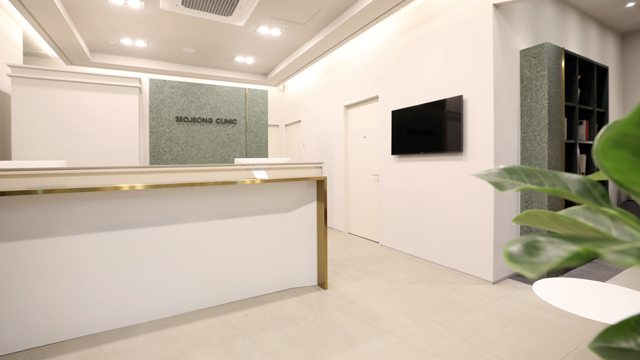
If you are considering fat-dissolving injections in Seoul, the next step is an assessment of the treatment area and a conversation about whether the treatment suits what you are trying to change. SeoJeong Dermatology is at B-123, Lobby Floor, Acro Vista Arcade, 188 Seochojungang-ro, Seocho-gu, Seoul, South Korea. Opening hours are Monday and Thursday 09:30–19:30, Tuesday and Friday 09:30–18:30, and Saturday 09:30–15:00, with a lunch break from 12:30 to 13:30 Monday to Friday; the clinic is closed on Wednesday and Sunday. To arrange a consultation, call +82-2-533-9300 or email info@seojeongclinic.com.
Disclaimer
This page is for general information only and is not a substitute for individual medical advice, diagnosis, or treatment. Outcomes vary between individuals, and no specific result is guaranteed. Please consult a qualified medical professional about your own circumstances.
Sources & Further Reading
NHS — Before you have a cosmetic procedure
NHS — Cosmetic surgery abroad — aftercare, follow-up and language when treated outside your home country
Related Services
Procedures available within our clinical departments.

Acne Care & Extraction
Acne care and extraction in Seoul is a non-surgical skin-care service addressing clogged pores, blackheads, whiteheads and selected acne lesions.
Learn More

3DEEP Needle RF
3DEEP Needle RF in Seoul is a radiofrequency-based treatment that delivers energy into targeted skin layers using a specialised device.
Learn More
Acne Laser & Light Therapy
Acne laser and light therapy in Seoul uses selected laser or light-based devices to help manage certain types of acne.
Learn More