Personalized Medical Care & Dedicated International Patient Concierge


Pigmentation & Redness Treatment · Needs Clinic Confirmation
Excel V Redness & Vascular Treatment
Excel V redness and vascular treatment in Seoul is a non-surgical laser treatment designed to improve the appearance of facial redness and visible blood vessels.
Schedule a ConsultationExcel V Redness & Vascular Treatment
Medically reviewed by Dr. Lee Jiyoung, Board-Certified Dermatologist
Excel V redness and vascular treatment in Seoul is a non-surgical laser treatment designed to improve the appearance of facial redness and visible blood vessels. At SeoJeong Dermatology in Seocho-gu it may, depending on the skin concern and treatment settings, help address broken capillaries, certain vascular lesions, and redness associated with rosacea.
What Is Excel V Redness & Vascular Treatment?
This treatment targets blood vessels rather than pigment. The energy is absorbed by the blood within the vessel, which is what allows a visible capillary to be treated without removing the skin above it.
The concerns addressed are facial redness, visible superficial blood vessels, broken capillaries, and selected benign vascular lesions.
A session takes approximately 15 to 30 minutes, depending on the treatment area and the extent of the redness or visible vessels.
Approximately one to three sessions may be needed, usually spaced four to six weeks apart.
The clinic's approved wording is that the treatment "may help improve the appearance of facial redness and selected visible blood vessels", and that suitability, treatment response and the number of sessions vary by individual.
The treatment does not prevent new blood vessels or future redness from developing.
That last point is the one worth carrying into the decision. Vascular laser work treats the vessels that are there; it does not change whatever caused them, so a patient with ongoing flushing or an underlying skin condition should expect to need maintenance.
DermNet explains that light energy of this type is primarily absorbed by oxyhaemoglobin contained within blood vessels, thus minimising thermal damage to other structures. It lists the vascular conditions treated with lasers of this kind as some superficial port wine stains and a variety of acquired cutaneous vascular lesions, including telangiectasis, cherry angiomas and poikiloderma of Civatte, and notes that lasers of this type are particularly suited to treating facial telangiectasia and can be effective in erythematotelangiectatic rosacea.
It also sets out how the parameters are chosen: treatment settings are based on several factors including lesion location, lesion morphology and the patient's skin phototype; lower energy densities are necessary for anatomic locations with an increased risk of scarring, such as the anterior chest, neck and periorbital area; and skin cooling is essential. For superficial vascular work it states that only patients with Fitzpatrick skin types I to III are eligible, and that successful treatment of poikiloderma of Civatte can be achieved over several treatment sessions.
Who Performs Excel V Redness & Vascular Treatment at SeoJeong Dermatology
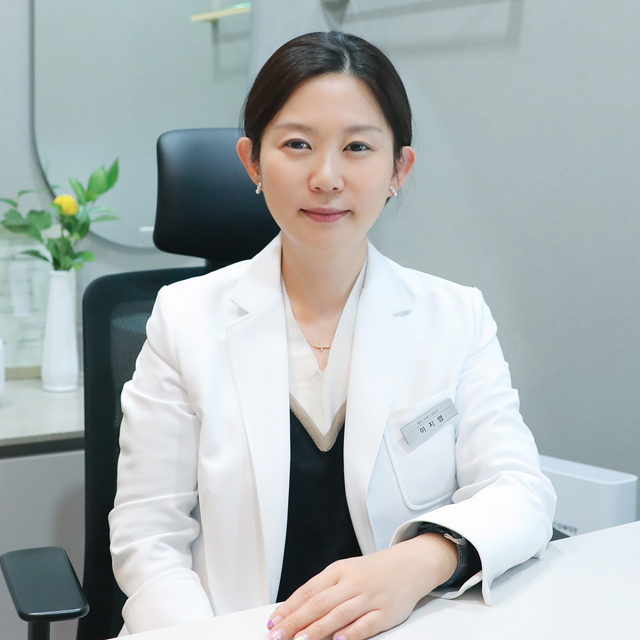
Dr. Lee Jiyoung
Board-certified Dermatologist
Assessment and treatment are carried out by Dr. Lee Jiyoung, Chief Director of SeoJeong Dermatology and a board-certified dermatologist in South Korea with more than 20 years of clinical experience. Her medical education and her dermatology specialist training were both completed in South Korea, and she holds an ECFMG certificate.
The consultation reviews skin concerns, medical history, current medications, previous treatments, allergies, and any history of pigmentation changes. The skin is then examined to assess the redness, the visible blood vessels, the skin type, and the depth and extent of the vascular concern before an approach is determined.
Depth and extent are assessed rather than estimated because they decide the settings, and the settings decide the risk. A fine surface capillary and a deeper vascular lesion are not treated the same way.
Before establishing the clinic in April 2022, she was Director at Cheongdam Lee Ji-ham Dermatology Clinic, at B&C Dermatology Clinic's Gangnam branch, and at CU Cleanup Dermatology Clinic's Yeongdeungpo branch. She is a regular member of the Korean Dermatological Association, the Korean Association of Dermatologists, the Korean Academy of Anti-Aging Dermatology, the Korean Acne Society, and the Korean Atopic Dermatitis Association. SeoJeong Dermatology is a single-physician clinic, and a dedicated global coordinator supports international patients with English-language communication.
Treatment is carried out under the direction of Dr. Lee Jiyoung; this page does not claim that one specific doctor personally performs every session of this service.
Who Is a Good Candidate for Excel V Redness & Vascular Treatment?
This treatment may suit patients concerned about:
Facial redness.
Visible superficial blood vessels.
Broken capillaries.
Selected benign vascular lesions.
A medical assessment determines whether laser treatment is appropriate for the particular skin concern, which is not the same question as whether the patient would like the redness reduced.
Treatment may need to be postponed for:
An active skin infection in the treatment area.
Open wounds in the treatment area.
Significant irritation in the treatment area.
The following should be discussed with the clinician before treatment:
Pregnancy or breastfeeding.
Photosensitivity.
Medications that increase light sensitivity.
A history of abnormal skin reactions.
Photosensitising medication is the item patients most often forget, and it covers more drug classes than most people expect — which is why the medication list is reviewed rather than asked about in general terms.
What to Expect: Procedure, Recovery, and Results Timeline
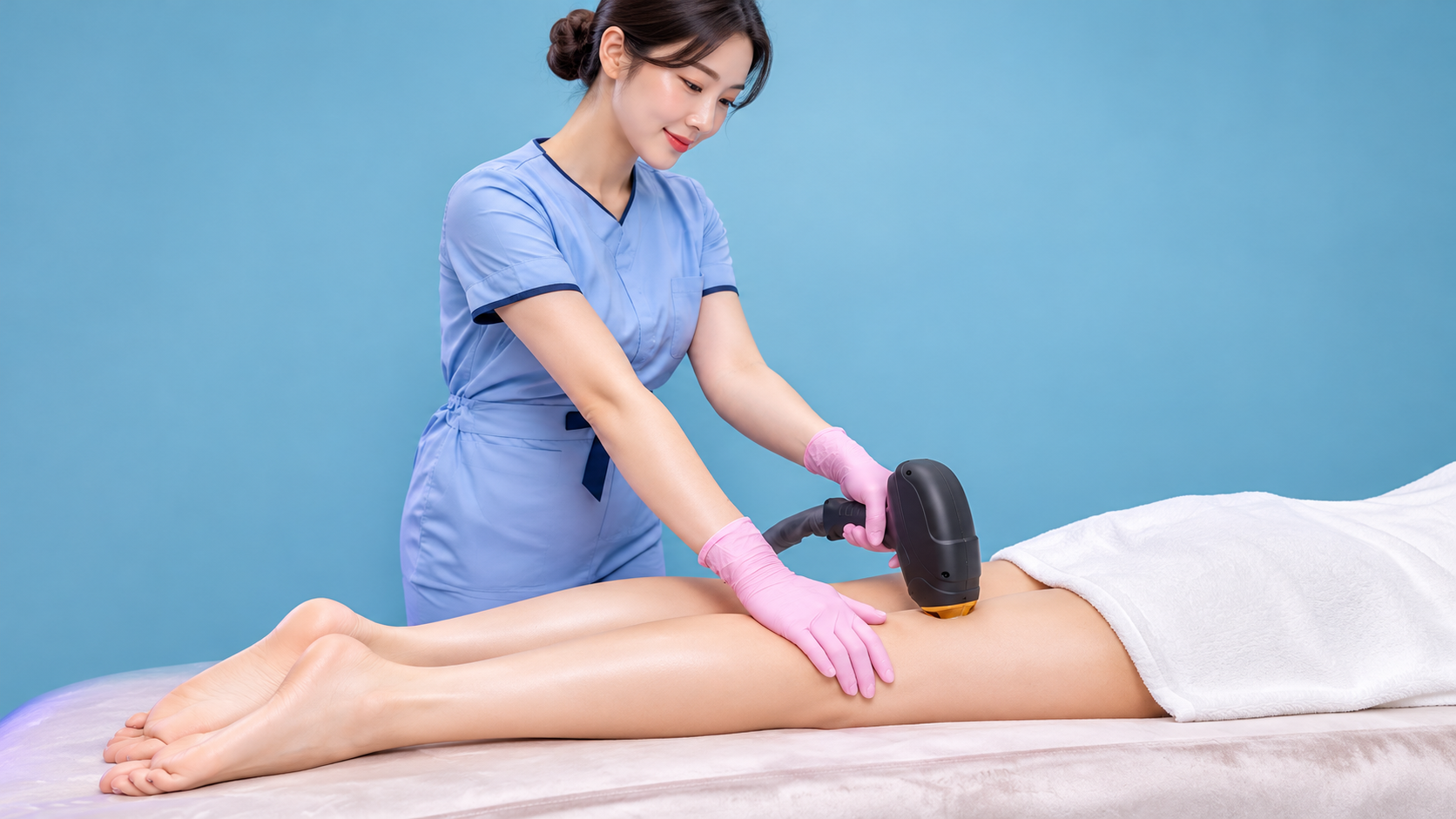
The session runs in three stages. In preparation, the treatment area is cleaned and appropriate eye protection provided. In treatment, the laser is applied to the selected areas using settings appropriate for the skin concern, with cooling used to improve comfort and protect the skin. In post-treatment care, the treated skin is assessed and instructions given for skincare, sun protection and follow-up.
Stage | What happens |
|---|---|
Session length | Approximately 15 to 30 minutes |
Course | Approximately 1 to 3 sessions, usually 4 to 6 weeks apart |
Days 1 to 3 | Mild redness and swelling typically improve |
Days 5 to 14 | Bruising may take this long to resolve, depending on intensity |
1 to 3 weeks | Early improvement may be noticeable |
4 to 6 weeks | Results can continue to develop |
Before treatment, avoid tanning and excessive sun exposure. Inform the clinician about all medications, supplements, skincare products, allergies, recent procedures, and any history of pigmentation changes or abnormal scarring, and follow any additional preparation instructions given before the appointment.
Afterwards, use gentle skincare and avoid rubbing or irritating the treated area. Apply broad-spectrum sunscreen and limit direct sun exposure. Avoid excessive heat, saunas and strenuous activities for the period advised by the clinician. Do not pick at any crusting or blisters, and seek medical advice if symptoms worsen or unusual reactions develop.
Avoiding heat for a few days is specific advice for vascular work rather than general caution: heat provokes flushing, and flushing is the thing being treated.
The duration of improvement varies by vascular condition, and additional sessions or maintenance treatments may be needed. For rosacea in particular, redness is a feature of an ongoing condition rather than a one-off blemish.
Combining Excel V Redness & Vascular Treatment with Other Treatments
Whether another treatment is appropriate alongside this one, and in what order, is decided at consultation. The clinic's full range for this area is set out on the Pigmentation & Redness Treatment page.
The documented alternatives depend on the underlying cause of the redness or visible vessels, and they are not all laser treatments:
Other vascular laser or light-based treatments.
Prescription treatments for rosacea, where appropriate.
Skincare focused on reducing irritation and protecting the skin barrier.
The second of those is worth taking seriously. Where redness is driven by an active skin condition, treating the visible vessels without addressing the condition is treating the symptom alone, and the vessels will keep coming back faster than any laser course can clear them.
Safety, Precision, and Clinic Standards
Temporary redness, swelling, warmth, tenderness and bruising may occur after treatment. Less common risks include blistering, burns, crusting, changes in skin pigmentation, and scarring. Appropriate laser settings, skin assessment and aftercare are what manage those risks.
DermNet's published account of side effects for this type of laser is consistent: pain during treatment, reducible by contact cooling and, where necessary, topical anaesthetic or forced air cooling; redness and swelling, with swelling common on the upper cheeks and forehead and usually settling within a few days; pigmentation changes where melanocytes are damaged, leaving darker or paler patches; rare bruising; bacterial infection if the epidermis is disrupted; and scarring, which it describes as very rare and minor with this treatment.
Its procedural guidance is also practical: the patient should wear eye protection throughout; many patients describe each pulse as feeling like the snapping of a rubber band against the skin; a cool pack may be applied immediately afterwards; the area should not be scrubbed or treated with abrasive cleansers in the first few days; and the area should be protected from sun exposure to reduce the risk of post-inflammatory pigmentation.
The NHS states that all cosmetic procedures carry some risk, whether surgical or non-surgical, and that they can lead to serious complications if not done correctly. Its advice is to choose a reputable, safe and qualified practitioner trained and experienced in the procedure you are having, and to ask about the procedure, the products used, and what could go wrong.
At SeoJeong Dermatology, treatment planning is carried out by a Korean board-certified dermatologist, each patient receives an individual skin assessment to select treatments suited to their needs, and consultation precedes the selection of any procedure. The clinic is a Registered Medical Institution for Attracting Foreign Patients, certified by the Ministry of Health and Welfare in compliance with the Medical Overseas Expansion and Foreign Patients Attraction Act; its business registration number is 342-17-01916.
NHS guidance on having cosmetic treatment abroad advises finding out what happens if there are complications, where follow-up appointments will be, and how easily you could travel back to the destination where you were treated. It notes that overseas clinics may not provide follow-up treatment to the same standard, and advises asking whether the practitioner speaks a language you understand, since they need to be able to explain the procedure and understand your concerns.
The Bottom Line
The laser energy is absorbed by blood within the vessel, which is how a capillary is treated without removing the skin over it.
One to three sessions, four to six weeks apart, is the usual course.
Mild redness and swelling settle in one to three days; bruising can take five to fourteen.
Early improvement appears in one to three weeks and continues to four to six.
The treatment does not prevent new vessels or future redness, so maintenance may be needed.
Frequently Asked Questions

How many sessions will I need?
Approximately one to three, usually spaced four to six weeks apart, depending on the condition and the treatment response.
Will my redness come back?
The treatment does not prevent new blood vessels or future redness from developing. The duration of improvement varies by condition, and additional or maintenance sessions may be needed.
Does it hurt?
Patients typically describe each pulse as feeling like a rubber band snapping against the skin, with cooling used throughout to improve comfort and protect the skin.
Will I bruise, and how should I plan my trip around that?
Bruising may occur and can take approximately five to fourteen days to resolve, depending on treatment intensity and individual response. For a straightforward session, a stay of approximately two to three days may be sufficient to allow an initial recovery check if needed; redness and swelling may persist for several days. Many patients can fly home the same day or the following day after an uncomplicated treatment, but the timing should be discussed with the treating clinician before departure, taking the travel schedule and any follow-up instructions into account.
What should I avoid afterwards?
Rubbing or irritating the treated area, direct sun exposure, excessive heat, saunas and strenuous activity for the period advised, and picking at any crusting or blisters.
Why does my skin type matter for vascular treatment?
Because the settings are chosen from lesion location, lesion morphology and skin phototype together, and published guidance restricts some superficial vascular treatments to lighter Fitzpatrick types.
Can this treat rosacea?
It may help the redness associated with rosacea, and lasers of this type can be effective in the erythematotelangiectatic form. Prescription treatment for rosacea is a separate option and sometimes the more appropriate one.
Can I have the consultation in English?
Yes. International patients receive consultations in English at SeoJeong Dermatology, supported by a dedicated global coordinator who handles English-language communication and consultation arrangements.
Book a Consultation at SeoJeong Dermatology
The assessment establishes what is producing the redness, because a visible vessel and an inflammatory condition call for different answers. SeoJeong Dermatology is at B-123, Lobby Floor, Acro Vista Arcade, 188 Seochojungang-ro, Seocho-gu, Seoul, South Korea. Opening hours are Monday and Thursday 09:30–19:30, Tuesday and Friday 09:30–18:30, and Saturday 09:30–15:00, with a lunch break from 12:30 to 13:30 Monday to Friday; the clinic is closed on Wednesday and Sunday. To arrange a consultation, call +82-2-533-9300 or email info@seojeongclinic.com.
Incheon International Airport is roughly 11 to 13 hours' non-stop flight from the US West Coast and 14 to 16 hours from the East Coast, with departure hubs including Los Angeles, San Francisco, Seattle, New York, Chicago, and Atlanta; Seocho-gu is reached from Incheon by airport limousine, taxi, or public transport. Arriving at least one day before the appointment allows time for travel recovery and the consultation. Korea Standard Time is UTC+9. US citizens are currently exempt from K-ETA only until 31 December 2026, which may change from 1 January 2027, and a digital e-Arrival Card has been mandatory for every entry since 1 January 2026.
Disclaimer
This page is for general information only and is not a substitute for individual medical advice, diagnosis, or treatment. Outcomes vary between individuals, and no specific result is guaranteed. Please consult a qualified medical professional about your own circumstances.
Sources & Further Reading
DermNet — KTP laser treatment — absorption by oxyhaemoglobin, the vascular lesions treated, how parameters follow lesion location, morphology and skin phototype, lower energy in high-risk sites, eligibility by Fitzpatrick type, and documented side effects and aftercare
NHS — Before you have a cosmetic procedure — risks of surgical and non-surgical procedures, and choosing a practitioner
NHS — Cosmetic surgery abroad — complications, follow-up and language when treated outside your home country
Other Services
Explore additional treatments offered by our specialists.

Wart & Corn Cryotherapy
Wart and corn cryotherapy in Seoul is a treatment at SeoJeong Dermatology in Seocho-gu that uses an extremely cold substance, usually liquid nitrogen, to destroy wart tissue.
Learn More

Thermage Skin Tightening
Thermage skin tightening in Seoul is a non-surgical treatment that uses radiofrequency energy to heat deeper skin tissue and support collagen remodeling.
Learn More
Re2O Skin Booster
Re2O skin booster in Seoul is a skin booster based on human-derived acellular dermal matrix, used in aesthetic treatments intended to improve skin texture and firmness.
Learn More