Personalized Medical Care & Dedicated International Patient Concierge


Pigmentation & Redness Treatment · Needs Clinic Confirmation
CO2 Laser Mole & Growth Removal
CO2 laser mole and growth removal in Seoul uses a carbon dioxide laser to remove selected benign moles and growths.
Schedule a ConsultationCO2 Laser Mole & Growth Removal
Medically reviewed by Dr. Lee Jiyoung, Board-Certified Dermatologist
CO2 laser mole and growth removal in Seoul uses a carbon dioxide laser to remove selected benign moles and growths. At SeoJeong Dermatology in Seocho-gu, suitability depends on the type, size, depth and location of the lesion, and some lesions require surgical removal or biopsy for accurate diagnosis.
What Is CO2 Laser Mole & Growth Removal?
A CO2 laser removes tissue by vaporising it. For a raised lesion that has been assessed as benign, that allows controlled removal with a fine margin of surrounding skin.
The device is a medical CO2 laser operating at approximately 10,600 nm.
Depending on the device, continuous-wave, pulsed or super-pulsed delivery may be used.
A small lesion may take approximately 10 to 30 minutes to treat, excluding consultation and preparation.
One session may be sufficient for some lesions; others require staged treatment or follow-up.
Protective eyewear, appropriate smoke evacuation and wound-care supplies are part of the setup.
The claim made for it is a measured one: CO2 laser treatment may be used to remove selected benign moles and growths following clinical assessment, and suitability, recovery and cosmetic outcomes vary.
One consequence of vaporising tissue has to be stated before anything else, because it shapes the whole decision: laser treatment may destroy tissue needed for histopathological examination. Where a lesion needs to be examined under a microscope, a method that preserves it is required instead — which is why some lesions are referred for surgical excision or biopsy rather than treated here.
DermNet places the CO2 laser at 10,600 nm and notes that it can be used to remove a variety of skin lesions, including seborrhoeic keratoses, by vaporisation or in cutting mode, while adding that conventional surgery or electrosurgery can also be used and is generally less expensive. It also explains why infrared lasers behave as they do: they are broadly destructive because they are absorbed by water in and between skin cells, which are composed of 70 to 90 per cent water.
Who Performs CO2 Laser Mole & Growth Removal at SeoJeong Dermatology
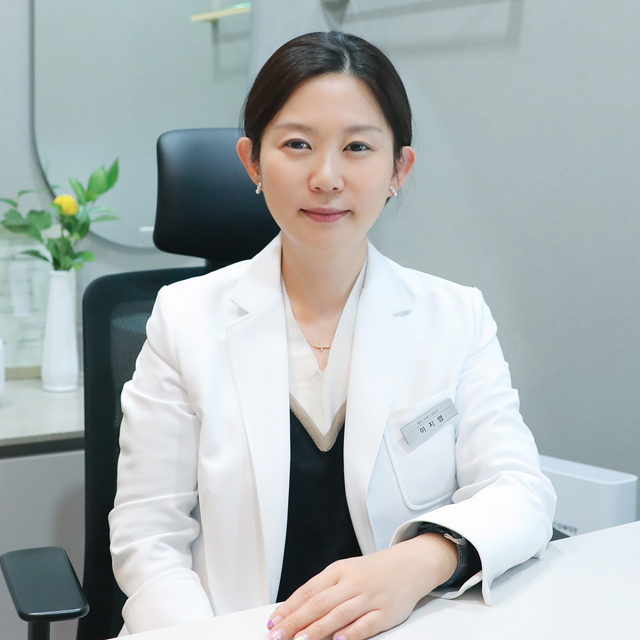
Dr. Lee Jiyoung
Board-certified Dermatologist
Assessment and treatment are carried out by Dr. Lee Jiyoung, Chief Director of SeoJeong Dermatology and a board-certified dermatologist in South Korea with more than 20 years of clinical experience. Her medical education and her dermatology specialist training were both completed in South Korea, and she holds an ECFMG certificate.
The consultation reviews medical history, medications, previous procedures and treatment goals. Each lesion is then examined individually for its appearance, size, location and characteristics. Dermoscopy or further assessment may be recommended, and lesions requiring tissue analysis may need surgical excision or biopsy instead of laser treatment.
Examining each lesion individually matters when a patient arrives asking for several to be removed at once. They may not all be the same thing, and the answer for one is not automatically the answer for the next.
Dermoscopy is worth a word of explanation, because patients often meet it for the first time here. It is a handheld magnifying device with its own light source, used to look at a lesion's structure beneath the surface rather than its outline — a step that takes seconds and sometimes changes the plan entirely. Where it raises a question the examination cannot settle, the lesion is referred for tissue analysis rather than treated, and the appointment ends with a referral instead of a removal. Patients who have travelled for a cosmetic reason understandably find that frustrating; it is still the right outcome, and it is better reached before the laser is switched on than afterwards.
DermNet's general guidance on laser treatment of pigmented lesions reinforces this: before any laser treatment, any lesion with atypical features should be biopsied first, and the results of laser treatment of pigmented lesions are to some degree unpredictable.
Before establishing the clinic in April 2022, she was Director at Cheongdam Lee Ji-ham Dermatology Clinic, at B&C Dermatology Clinic's Gangnam branch, and at CU Cleanup Dermatology Clinic's Yeongdeungpo branch. She is a regular member of the Korean Dermatological Association, the Korean Association of Dermatologists, the Korean Academy of Anti-Aging Dermatology, the Korean Acne Society, and the Korean Atopic Dermatitis Association. SeoJeong Dermatology is a single-physician clinic, and a dedicated global coordinator supports international patients with English-language communication.
Treatment is carried out under the direction of Dr. Lee Jiyoung; this page does not claim that one specific doctor personally performs every session of this service.
Who Is a Good Candidate for CO2 Laser Mole & Growth Removal?
This treatment may suit:
Patients with clinically assessed benign moles or growths suitable for CO2 laser treatment.
Patients who understand the potential risks.
Patients able to follow post-treatment care instructions.
Appropriate medical evaluation before removal is required for:
Suspicious moles.
Changing moles.
Irregular moles.
Undiagnosed moles.
Treatment may need to be postponed for patients with active infections or conditions affecting wound healing, and a history of abnormal scarring or pigmentation changes requires careful assessment.
A mole that has changed is a reason to look more closely, not a reason to hurry. Where a lesion needs evaluation, removing it by vaporisation forecloses the question rather than answering it.
What to Expect: Procedure, Recovery, and Results Timeline
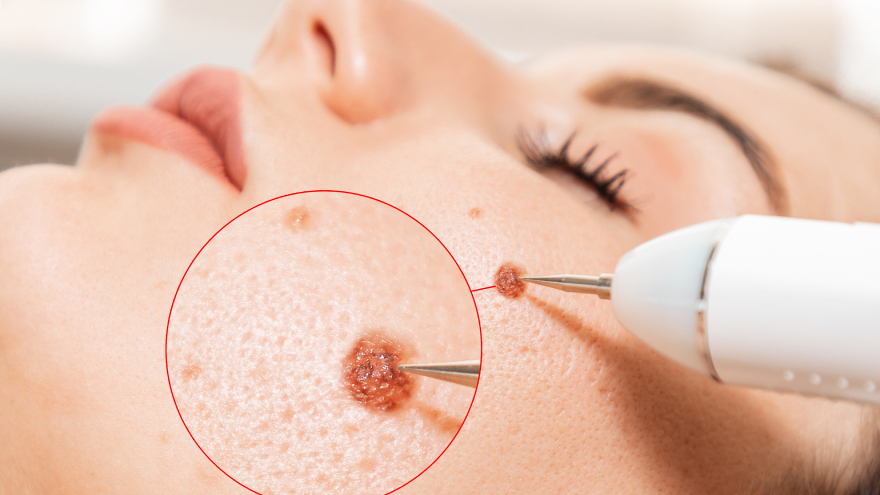
The treatment area is cleansed and assessed. Local anaesthesia may be administered. The clinician then uses the CO2 laser to remove or vaporise the selected growth. The area is checked, a dressing or protective ointment may be applied, and aftercare and follow-up instructions are provided.
Local anaesthesia is commonly used, depending on the lesion's size, depth and location. Patients may experience brief stinging during the anaesthetic and mild discomfort afterwards.
Stage | What happens |
|---|---|
Session length | Approximately 10 to 30 minutes for a small lesion |
1 to 2 weeks | Superficial treatment areas may heal |
Several weeks | Deeper or larger wounds may take this long |
Weeks to months | Redness and pigmentation changes may persist and then settle |
Weeks to months | Final scar appearance becomes clear |
Before treatment, inform the clinician about medications, allergies, medical conditions, previous procedures and any history of abnormal scarring. Avoid tanning and excessive sun exposure, follow instructions regarding skincare products and medications, and make sure the lesion has been appropriately assessed before removal.
Afterwards, keep the treatment area clean and follow the clinic's wound-care instructions. Apply recommended ointments or dressings as directed. Avoid picking crusts, irritating products and premature exfoliation, and protect the area from sunlight. Seek medical advice if pain worsens, redness spreads, pus develops, or healing is delayed.
Those four symptoms are the ones that distinguish a normal healing wound from one that needs attention, and they are worth remembering rather than looking up later.
Complete removal may provide a long-lasting result, but recurrence or new growths can occur. Final scar appearance and pigmentation changes may take weeks to months to settle, so the cosmetic outcome is judged late rather than early. A pink mark at three weeks is not the finished result, and treating it as one leads patients to ask for a second procedure on skin that was always going to improve on its own.
Combining CO2 Laser Mole & Growth Removal with Other Treatments
Other cosmetic treatments may be considered after the treated area has healed. Combining procedures may increase irritation and healing risks, and any additional laser or resurfacing treatment is planned by the clinician rather than requested as an add-on. The clinic's wider range for this area is described on the Pigmentation & Redness Treatment page.
The documented alternatives are surgical excision, shave removal, curettage, electrosurgery, cryotherapy, or other laser treatments. Which is appropriate depends on the diagnosis, the lesion's characteristics, cosmetic considerations, and whether tissue analysis is required. Cost is also a legitimate factor: DermNet notes that conventional surgery or electrosurgery can achieve similar removal and is generally less expensive than laser treatment.
Safety, Precision, and Clinic Standards
The possible effects are redness, swelling, tenderness, crusting and minor bleeding. Complications may include infection, delayed healing, scarring, persistent redness, pigmentation changes, incomplete removal, and recurrence.
Laser safety for a vaporising device involves more than eyewear. DermNet's safety list for laser work includes thorough training of personnel, eye protection for the patient and clinic staff, a warning notice outside the procedure room, the use of non-reflective instruments, and the avoidance of flammable materials; smoke evacuation is part of the setup for a device that vaporises tissue. It also records that laser treatments are burns, with possible temporary pain, redness, bruising, blistering and crusting, infection including reactivation of herpes simplex, pigment changes that may be permanent, and scarring.
Extreme caution is needed when treating darker-skinned individuals, as permanent loss of pigment or variable pigmentation may occur in the long term. That is a reason for conservative settings and a frank conversation, and it applies to the surrounding skin as much as to the lesion.
The NHS states that all cosmetic procedures carry some risk, whether surgical or non-surgical, and that they can lead to serious complications if not done correctly. Its advice is to choose a reputable, safe and qualified practitioner trained and experienced in the procedure you are having, and to ask about the procedure, the products used, and what could go wrong.
At SeoJeong Dermatology, treatment planning is carried out by a Korean board-certified dermatologist, each patient receives an individual skin assessment to select treatments suited to their needs, and consultation precedes the selection of any procedure. The clinic is a Registered Medical Institution for Attracting Foreign Patients, certified by the Ministry of Health and Welfare in compliance with the Medical Overseas Expansion and Foreign Patients Attraction Act; its business registration number is 342-17-01916.
NHS guidance on having cosmetic treatment abroad advises finding out what happens if there are complications, where follow-up appointments will be, and how easily you could travel back to the destination where you were treated. It notes that overseas clinics may not provide follow-up treatment to the same standard, and advises asking whether the practitioner speaks a language you understand, since they need to be able to explain the procedure and understand your concerns.
The Bottom Line
A CO2 laser at approximately 10,600 nm removes benign lesions by vaporisation.
Vaporisation destroys tissue that might be needed for examination, so diagnosis comes first.
Suspicious, changing, irregular or undiagnosed moles are evaluated rather than lasered.
Local anaesthesia is commonly used; a small lesion takes 10 to 30 minutes.
Superficial wounds heal in one to two weeks, but scar appearance and pigmentation take weeks to months to settle.
Frequently Asked Questions
Can you remove any mole I want gone?
Only lesions clinically assessed as benign and suitable for this method. Suspicious, changing, irregular or undiagnosed moles need appropriate medical evaluation before any removal.
Why would surgery be recommended instead?
Because laser treatment may destroy tissue needed for histopathological examination. Where a lesion needs analysis, surgical excision or biopsy is the appropriate route.
Does it hurt?
Local anaesthesia is commonly used, depending on the lesion's size, depth and location. Patients may feel brief stinging during the anaesthetic and mild discomfort afterwards.
How long does the wound take to heal?
Superficial areas may heal in approximately one to two weeks, while deeper or larger wounds may take several weeks. Redness and pigmentation changes may persist for weeks or months.
Will there be a scar?
Scarring is a documented possibility, along with pigmentation changes, persistent redness, incomplete removal and recurrence. The final appearance takes weeks to months to settle.
How long should I stay in Korea, and when can I fly home?
For uncomplicated removal of a few small lesions, a short stay may be sufficient, with time allowed for an initial wound-care review if one is recommended; larger or deeper treatment areas may need additional follow-up. Many people can fly after a minor, uncomplicated treatment once they feel well. Confirm timing with the treating clinician, particularly if the treated area is large, if complications occur, or if a follow-up appointment is needed. Seek medical advice at any point if pain worsens, redness spreads, pus develops, or healing is delayed.
Can several lesions be done in one visit?
Sometimes. Each lesion is assessed individually, and multiple or larger lesions require more time; some need staged treatment or follow-up.
Can I have the consultation in English?
Yes. International patients receive consultations in English at SeoJeong Dermatology, supported by a dedicated global coordinator who handles English-language communication and consultation arrangements.
Book a Consultation at SeoJeong Dermatology
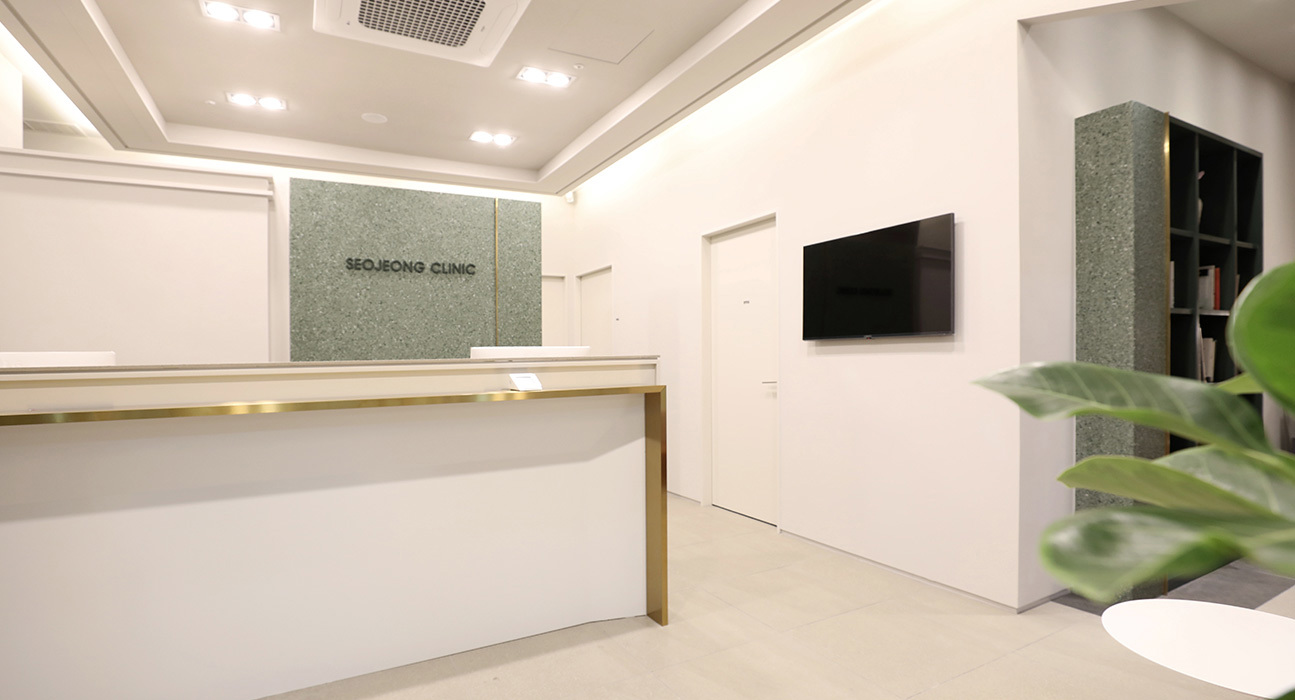
Each lesion is examined on its own terms before any removal method is chosen, and that assessment occasionally changes the answer. SeoJeong Dermatology is at B-123, Lobby Floor, Acro Vista Arcade, 188 Seochojungang-ro, Seocho-gu, Seoul, South Korea. Opening hours are Monday and Thursday 09:30–19:30, Tuesday and Friday 09:30–18:30, and Saturday 09:30–15:00, with a lunch break from 12:30 to 13:30 Monday to Friday; the clinic is closed on Wednesday and Sunday. To arrange a consultation, call +82-2-533-9300 or email info@seojeongclinic.com.
Incheon International Airport is roughly 11 to 13 hours' non-stop flight from the US West Coast and 14 to 16 hours from the East Coast, with departure hubs including Los Angeles, San Francisco, Seattle, New York, Chicago, and Atlanta; Seocho-gu is reached from Incheon by airport limousine, taxi, or public transport. Arriving at least one day before the appointment allows time for travel recovery and the consultation. Korea Standard Time is UTC+9. US citizens are currently exempt from K-ETA only until 31 December 2026, which may change from 1 January 2027, and a digital e-Arrival Card has been mandatory for every entry since 1 January 2026.
Disclaimer
This page is for general information only and is not a substitute for individual medical advice, diagnosis, or treatment. Outcomes vary between individuals, and no specific result is guaranteed. Please consult a qualified medical professional about your own circumstances.
Sources & Further Reading
DermNet — Lasers in dermatology — the CO2 laser at 10,600 nm and its use by vaporisation or cutting mode, why infrared lasers are broadly destructive, the comparative cost of conventional surgery, biopsy of atypical lesions first, laser-safety precautions, and adverse effects
NHS — Before you have a cosmetic procedure — risks of surgical and non-surgical procedures, and choosing a practitioner
NHS — Cosmetic surgery abroad — complications, follow-up and language when treated outside your home country
Other Services
Explore additional treatments offered by our specialists.

Wart & Corn Cryotherapy
Wart and corn cryotherapy in Seoul is a treatment at SeoJeong Dermatology in Seocho-gu that uses an extremely cold substance, usually liquid nitrogen, to destroy wart tissue.
Learn More

Thermage Skin Tightening
Thermage skin tightening in Seoul is a non-surgical treatment that uses radiofrequency energy to heat deeper skin tissue and support collagen remodeling.
Learn More
Re2O Skin Booster
Re2O skin booster in Seoul is a skin booster based on human-derived acellular dermal matrix, used in aesthetic treatments intended to improve skin texture and firmness.
Learn More